Quranic Answer
Attaining the pleasure of God is one of the most pivotal goals in the life of every Muslim. The pursuit of divine satisfaction shapes the essence of a Muslim’s existence, guiding their actions, intentions, and overall approach to life. Achieving this profound aim is not merely a passive endeavor but a dynamic journey that requires dedicated effort, sincere intentions, and consistent righteous deeds. The Holy Quran, revered as the ultimate source of guidance for Muslims, contains numerous verses that stress the significance of righteousness, the remembrance of Allah, and the proper conduct that envelops a believer's journey toward divine fulfillment. In Surah Al-Baqarah, verse 277, it states: "Indeed, the believers are those who, when Allah is mentioned, their hearts tremble." This powerful verse encapsulates the essence of how a believer should respond to the mention of their Creator. It highlights the emotional and spiritual connection that a true believer possesses with Allah. The trembling of the heart, a sign of reverence and love, illustrates the importance of consciously acknowledging Allah in every aspect of life. This signifies that to attain God's pleasure, one must first establish a closer relationship with Him through sincere worship, reflection, and regular remembrance. Regular prayer (Salah), recitation of the Quran, and engaging in Dhikr (remembrance of Allah) are not just acts of duty, but avenues through which believers can cultivate a deeper connection with their Creator. Another significant verse that emphasizes the need for devotion to Allah is found in Surah Aal-e-Imran, verse 31, where Allah commands: "Say, 'If you love Allah, then follow me so Allah will love you and forgive you your sins.'" This verse articulates the necessity of following the teachings of the Prophet Muhammad (peace be upon him), as it establishes a direct link between love for Allah and adherence to His commands. The Prophet’s life and teachings serve as a template for Muslims seeking to navigate their lives in a way that aligns with divine pleasure. Adherence to these teachings not only exemplifies one’s love for Allah but also serves as a means of gaining the immense reward and forgiveness offered by Him. Thus, to strive for God's pleasure, one must actively engage in studying the life and practices of the Prophet and implementing them into daily life. Furthermore, the Quran elaborates on the characteristics of believers who are favored by Allah and are on the right path to earn His pleasure. In Surah Al-Mu'minun, verses 1 to 9, various traits are outlined as essential benchmarks for true believers. These include humility in prayer, avoidance of vain talk, active engagement in charitable acts, fulfillment of trusts and promises, and maintaining one’s chastity. Each of these qualities is a key to success in a believer’s spiritual journey and quintessentially leads to the attainment of divine pleasure. For instance, humility in prayer is not just about the physical act of praying but reflects a deeper emotional submission and recognition of one’s dependence on Allah. Engaging in charitable acts is also highlighted in Islam as a fundamental method of purifying one’s wealth and soul, creating a connection between the giver and their Lord. Such acts reflect compassion and kindness, virtues that Allah deeply cherishes. The act of giving, whether it be money, time, or effort, enhances a believer's spiritual standing, ultimately bringing them closer to God’s pleasure. Therefore, one can deduce that embodying these characteristics is not merely an obligation but a pathway paved toward earning divine favor and establishing a life filled with purpose. Moreover, the Quran assures believers of the profound rewards that await those who earn Allah’s pleasure. Surah Ar-Rahman, verse 60 emphasizes: "Is there any reward for good other than good?" This verse encapsulates the bountiful and unquantifiable rewards that Allah has prepared for His servants who seek His favor. Such rewards encompass both this world and the hereafter, serving as a profound motivation for believers to strive earnestly toward righteousness. The promise of paradise, eternal bliss, and proximity to Allah in the afterlife stands as an encouraging incentive, urging individuals to remain steadfast in their worship and adherence to the tenets of Islam. In conclusion, attaining the pleasure of God is a multi-faceted goal that involves sincere intentions, righteous deeds, and adherence to divine commands. Building a closer relationship with Allah through regular worship and remembrance lays the foundational step on this journey. Love for Allah necessitates following the teachings of the Prophet Muhammad (peace be upon him), whose life serves as a beacon for Muslims. By embodying the qualities of true believers and engaging in charitable acts, one cultivates a spirituality that is rich and fulfilling. The ultimate reward for such efforts is the immense satisfaction of Allah, which extends into both this life and the hereafter. As Muslims navigate their lives, this pursuit of divine pleasure should remain at the forefront, motivating them to embody the principles of faith in every thought, action, and interaction.
Related Verses
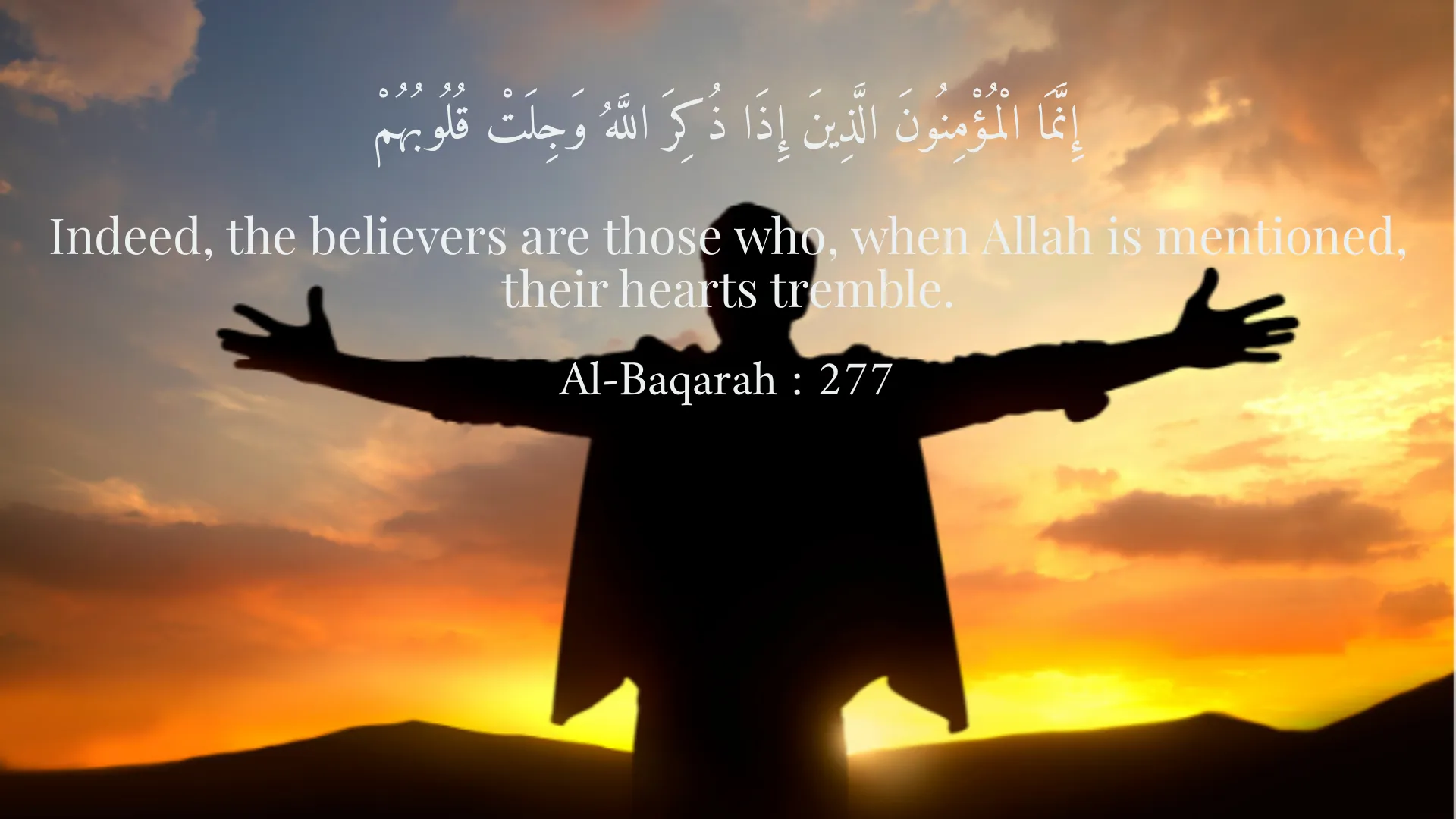
إِنَّمَا الْمُؤْمِنُونَ الَّذِينَ إِذَا ذُكِرَ اللَّهُ وَجِلَتْ قُلُوبُهُمْ
Indeed, the believers are those who, when Allah is mentioned, their hearts tremble.
Al-Baqarah : 277
قُلْ إِن كُنتُمْ تُحِبُّونَ اللَّهَ فَاتَّبِعُونِي يُحْبِبْكُمُ اللَّهُ وَيَغْفِرْ لَكُمْ ذُنُوبَكُمْ
Say, 'If you love Allah, then follow me so Allah will love you and forgive you your sins.'
Aal-e-Imran : 31
قَدْ أَفْلَحَ الْمُؤْمِنُونَ
Certainly, the believers have succeeded.
Al-Mu'minun : 1
Short Story
One day, a man named Ali was listening to the words of a scholar. The scholar spoke about the importance of God's pleasure and referenced Quranic points. Ali remembered Allah and decided to focus more on remembrance and prayer. After some time, he noticed that by turning his attention to God and doing good deeds, his life had changed and a sense of satisfaction settled in his heart.