Quranic Answer
Attracting young people to religion is one of the significant challenges faced by Islamic societies today. With the rapid advancement of technology and the increasing influence of secular ideologies, engaging the youth in religious practices and beliefs requires innovative strategies grounded in profound understanding, empathy, and love. The Quran, as the holy book of Islam, offers essential insights regarding fostering a strong connection between young people and their faith. Delving into the teachings of the Quran provides a roadmap for effectively attracting youth towards religion while addressing their unique questions and concerns. ### Understanding the Role of Knowledge and Awareness in Religion First and foremost, the Quran emphasizes that focusing on understanding and awareness is paramount in attracting young minds to Islam. Young people, particularly during their teenage years, are often inundated with doubts and questions about existence, purpose, and spirituality. Addressing these inquiries with logic, reasoning, and sensitivity is imperative. One pivotal verse that encapsulates this idea is found in Surah Al-An’am, verse 125: "And whoever Allah wills to guide – He expands his breast to [contain] Islam." This verse suggests that guidance is a gift from Allah, which can only be attained through genuine striving for understanding. To attract youth effectively, it is essential for adults, educators, and community leaders to first cultivate a deeper knowledge and comprehension of Islamic teachings themselves. By doing so, they not only equip themselves with the necessary tools to address the youth's queries but also embody the principles they wish to impart. ### The Power of Empathy and Love Furthermore, the Quran reinforces the significance of love and empathy in building meaningful connections with young individuals. Surah Al-Ma’idah, verse 54, states: "O you who have believed, whoever of you should revert from his religion - Allah will bring forth [for] a people He will love and who will love Him." This highlights that fostering mutual love and respect is crucial in guiding the youth back to or deeper into their faith. When young people feel loved and valued, they are more likely to explore, question, and eventually embrace the faith wholeheartedly. ### Strategies to Engage the Youth In practical terms, holding educational classes and discussion sessions can significantly influence young individuals. Educational programs tailored to address the specific queries of adolescents can create an open forum for dialogue and reflection. These sessions should not merely focus on rote learning of religious texts; instead, they should encourage debates about contemporary issues, moral dilemmas, and the relevance of Islamic teachings in today's world. Moreover, integrating technology such as social media platforms and online forums into these educational experiences can further attract young people. In today's digital age, where social media curriculums can drive engagement, using these platforms to share positive messages about Islam, promote events, and provide informative content can bridge the gap between tradition and modernity. ### The Importance of Role Models Young people naturally seek role models; hence, the behavior and lifestyle of believers should evoke curiosity, admiration, and respect within them. Adults play a crucial role in modeling Islamic values such as compassion, honesty, integrity, and humility. When young individuals observe positive role models who embody these values, they are more likely to be inspired and motivated to emulate these behaviors in their own lives. Having mentors who can guide, support, and share personal experiences related to faith can make a profound impact. Whether through informal gatherings, community events, or family interactions, creating opportunities to connect with role models enables the youth to gain insights that resonate deeply. By watching how grown individuals navigate challenges through the lens of faith, the youth can find valuable lessons applicable in their lives. ### Instilling the Values of Mercy and Love in Islam Ultimately, it is essential to remember that Islam is a religion rooted in mercy and love. The portrayal of Islam as a divine path of righteousness must highlight the inherent beauty of the faith. Promoting the values of compassion, justice, and love can help demystify misconceptions surrounding religion and create a welcoming atmosphere for youth seeking spiritual connection. Communicating the message of Islam through stories, real-life examples, and community engagement allows the essence of the faith to shine, making it more relatable to a younger audience. In conclusion, attracting young people towards religion, particularly within Islamic societies, requires a multi-faceted approach rooted in knowledge, empathy, positive examples, and the core values of Islam. By utilizing the insights shared in the Quran and fostering an environment that encourages understanding and open dialogue, believers can inspire the youth to forge a lasting connection with their faith. As we strive to engage the younger generation, let us remember that patience, compassion, and a genuine love for humanity are essential components on this journey. By embodying these qualities, we can help the youth find their place within the embrace of Islam and contribute positively to society.
Related Verses
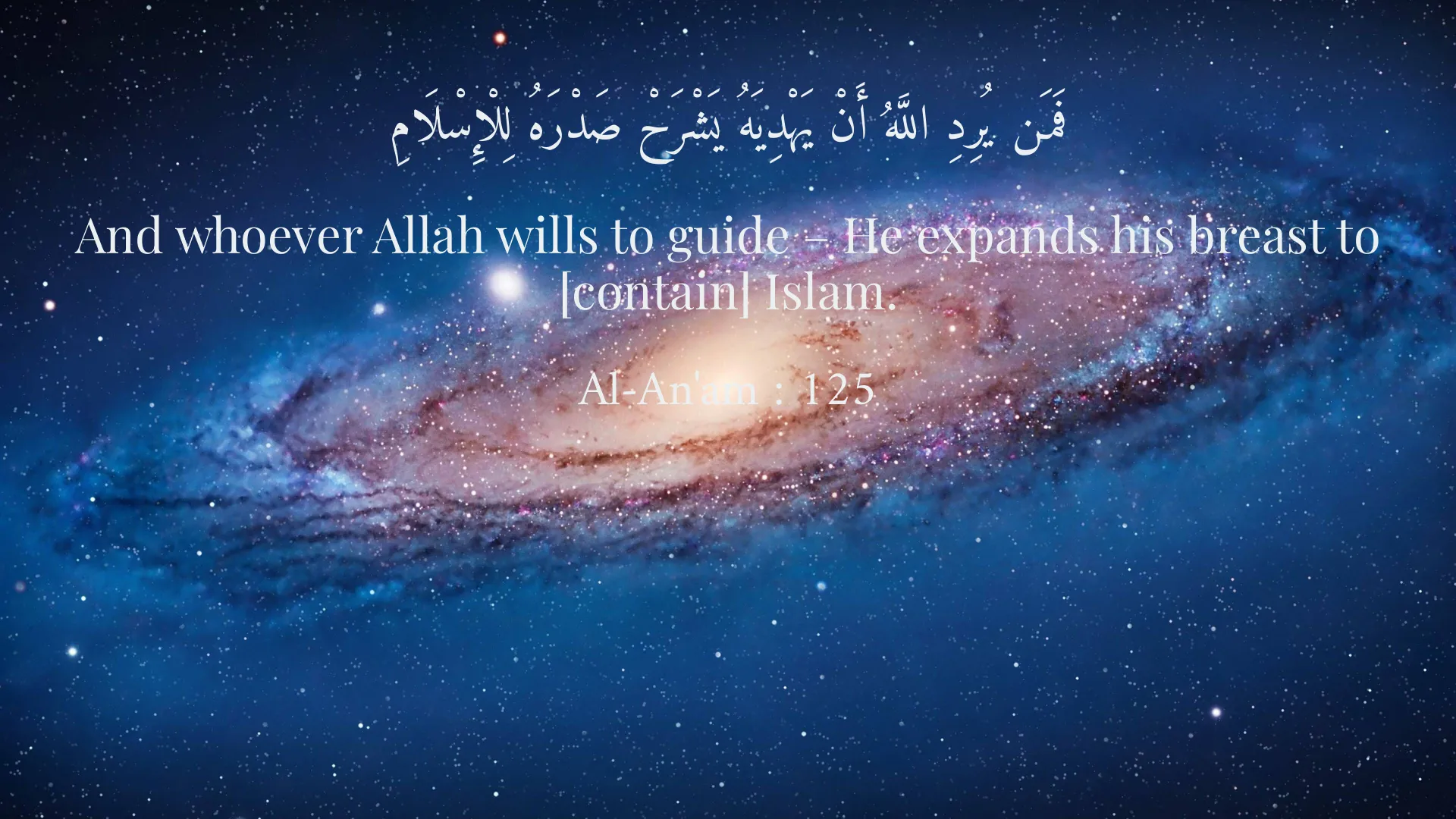
فَمَن يُرِدِ اللَّهُ أَنْ يَهْدِيَهُ يَشْرَحْ صَدْرَهُ لِلْإِسْلَامِ
And whoever Allah wills to guide – He expands his breast to [contain] Islam.
Al-An'am : 125
يَا أَيُّهَا الَّذِينَ آمَنُوا مَن يَرْتَدَّ مِنكُمْ عَنْ دِينِهِ فَسَوْفَ يَأْتِي اللَّهُ بِقَوْمٍ يُحِبُّهُمْ وَيُحِبُّونَهُ
O you who have believed, whoever of you should revert from his religion – Allah will bring forth [for] a people He will love and who will love Him.
Al-Ma'idah : 54
Short Story
One day, a young man named Amin was pondering deep religious questions. He decided to attend a youth meeting at the mosque. There, he met people who provided logical and inviting answers to his inquiries. These sessions helped him establish a deeper connection with his faith and developed a special love for God and his beliefs.