Quranic Answer
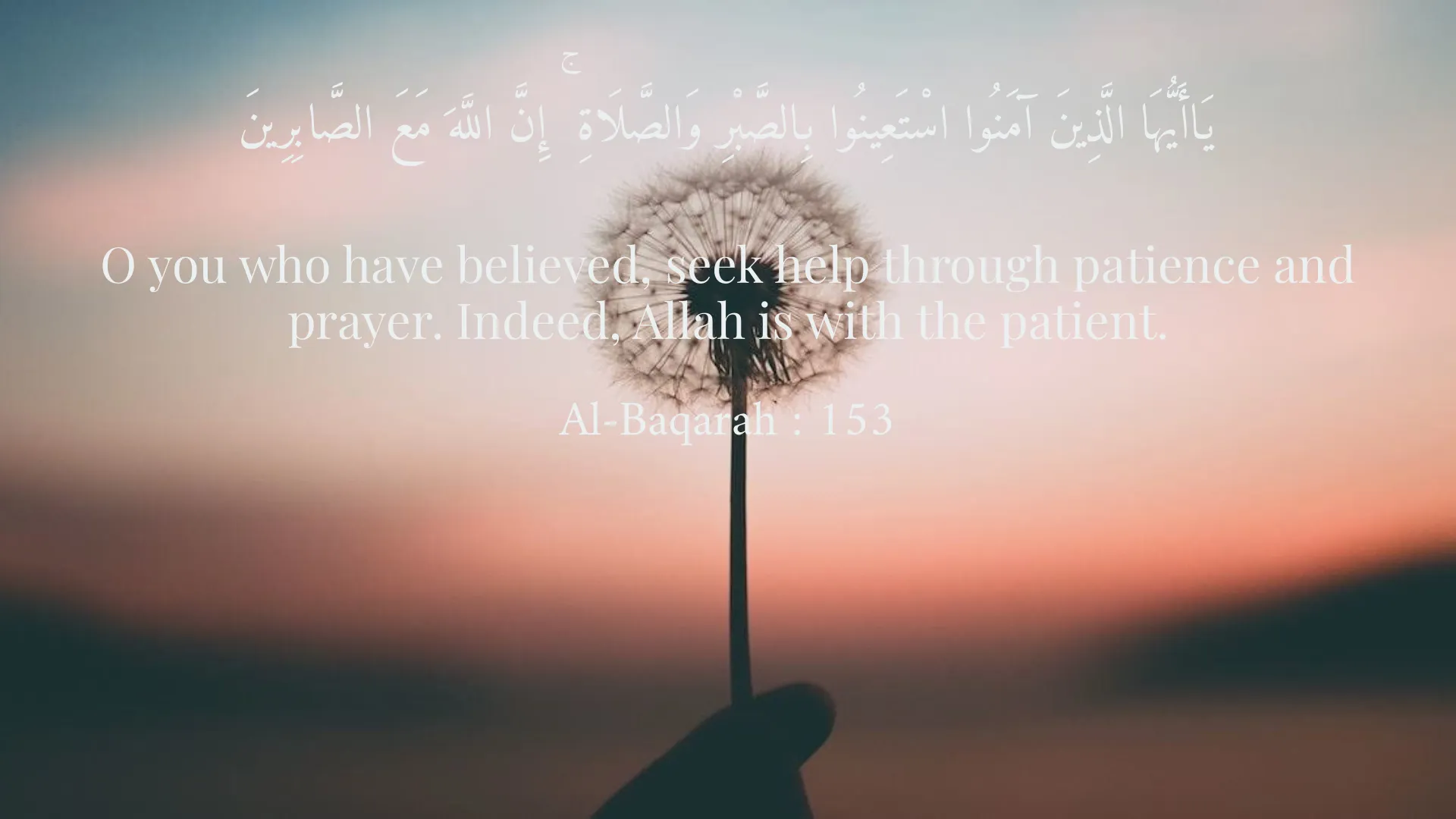
Patience in the Face of Poverty: A Muslim's Spiritual Journey towards Resilience and Hope Poverty is often regarded as one of the most daunting trials one can face in life. For many, it instills feelings of hopelessness, despair, and despair. However, for Muslims, patience amidst poverty is integral to their faith, forming a cornerstone of their spiritual resilience. In examining this vital theme, we will explore how the teachings found within the Holy Quran provide guidance and support for Muslims navigating the challenges of poverty. Moreover, the notion that patience serves as a pathway to inner strength and trust in God's wisdom will be discussed, illustrating the belief that enduring hardship can ultimately lead to divine rewards. One of the most poignant reminders regarding the nature of patience is found in Surah Al-Baqarah, verse 153, where Allah says: 'O you who have believed, seek help through patience and prayer. Indeed, Allah is with the patient.' This verse encapsulates the essence of patience as not merely an act of endurance, but as a proactive choice to seek assistance from Allah through faith and prayer. This divine connection fosters a sense of hope and purpose in challenging times. When confronted with poverty, believers are encouraged to engage in regular prayer (Salah) and to utilize patience (sabr) as a comforting refuge. Prayer serves as a means of surrendering one's worries to God, allowing individuals to cultivate a spirit of spiritual resilience. In doing so, individuals can find solace, enabling them to process their situation while maintaining an unwavering connection with the Creator. With each supplication, Muslims acknowledge the trials they face, embracing the notion that even during hardship, they can find strength through their faith. Ultimately, patience helps to reshape one’s perspective on poverty. The belief that worldly difficulties are temporary encourages individuals to embrace a sense of hopefulness and perseverance. The Quran reiterates this notion when reflecting on life’s ups and downs as measures of faith. Wealth and poverty cannot be firmly attached to an individual’s self-worth or status; they are but a fleeting aspect of human existence. This perspective allows Muslims to view their material circumstances as trials imposed upon them by Allah, ultimately transforming their journey of hardship into one that encompasses spiritual growth and maturity. A complementary verse that sheds light on the significance of wealth and poverty is found in Surah Al-Anfal, verse 28, where it states: 'And know that your properties and your children are but a trial and that Allah has with Him a great reward.' Recognizing both wealth and poverty as tests from Allah serves as a source of comfort. When wealth diminishes or when faced with dire financial situations, it is crucial to remember that these trials are ephemeral and that they do not define one's intrinsic value in the eyes of Allah. Instead, they are opportunities for spiritual development, leading to a greater appreciation for divine blessings. In navigating the financial hurdles associated with poverty, it is vital for Muslims to foster gratitude and maintain a positive mindset. Gratitude, or shukr, serves as a turning point for many individuals confronting financial struggles. By practicing gratitude, even in the midst of poverty, individuals can cultivate a hopeful outlook, thereby refusing to succumb to despair. Fostering gratitude allows Muslims to see the blessings in their lives beyond mere material possessions. Moreover, the act of sharing, known as Zakat, exemplifies the Islamic principle of supporting those in need, transcending personal suffering. The act of giving reinvigorates a sense of community, solidarity, and connection among Muslims. In turn, all of these elements facilitate a shift toward collective resilience, enabling individuals to bear the burdens of poverty together. Engaging in acts of kindness fosters an increased awareness of the collective trials faced by the community, reminding individuals that they are not alone in their suffering. Patience, then, is not a passive state but a dynamic, active response to life’s challenges. The Quran emphasizes the importance of perseverance—an essential characteristic that should be embraced at every turn. Life's trials serve as transformative journeys, instilling strength, character, and unwavering trust in God's plan. Furthermore, seeking the company of optimistic individuals in the community can also aid one’s capacity for patience. Engaging with those who share similar struggles and faith can be a powerful source of encouragement, affirmation, and support. By adhering to a community of positivity, Muslims are encouraged to support each other in their endeavors towards resilience, building an ethos of encouragement, hope, and faith that starkly contrasts the feeling of isolation that poverty can elicit. In conclusion, patience in the face of poverty is not merely a reaction to hardship; it is a pathway illuminated by faith, prayer, and an unwavering reliance on Allah. By embracing patience, gratitude, and community support, Muslims can navigate life's tests effectively, ultimately aspiring towards a divine reward contrary to the travails of this world. It is through patience that believers can confront their financial hardships with noble spirit, transforming trials into catalysts for personal growth and fostering a deeper understanding of Allah's wisdom and compassion. Thus, patience serves not only as a key to overcoming poverty but also as a profound testament to faith in the ultimate goodness of life's journey.
Related Verses
يَاأَيُّهَا الَّذِينَ آمَنُوا اسْتَعِينُوا بِالصَّبْرِ وَالصَّلَاةِ ۚ إِنَّ اللَّهَ مَعَ الصَّابِرِينَ
O you who have believed, seek help through patience and prayer. Indeed, Allah is with the patient.
Al-Baqarah : 153
وَاعْلَمُوا أَنَّمَا أَمْوَالُكُمْ وَأَوْلَادُكُمْ فِتْنَةٌ ۖ وَأَنَّ اللَّهَ عِندَهُ أَجْرٌ عَظِيمٌ
And know that your properties and your children are but a trial and that Allah has with Him a great reward.
Al-Anfal : 28
Short Story
Once upon a time, there was a poor man named Yahya who faced many financial difficulties. Yet, he remained patient with these challenges and kept remembering God and the verses of the Quran. One day, while praying, he realized that poverty had not weakened him but rather motivated him to become stronger and help others. He completely relied on God and understood that patience is the key to overcoming his problems.