Quranic Answer
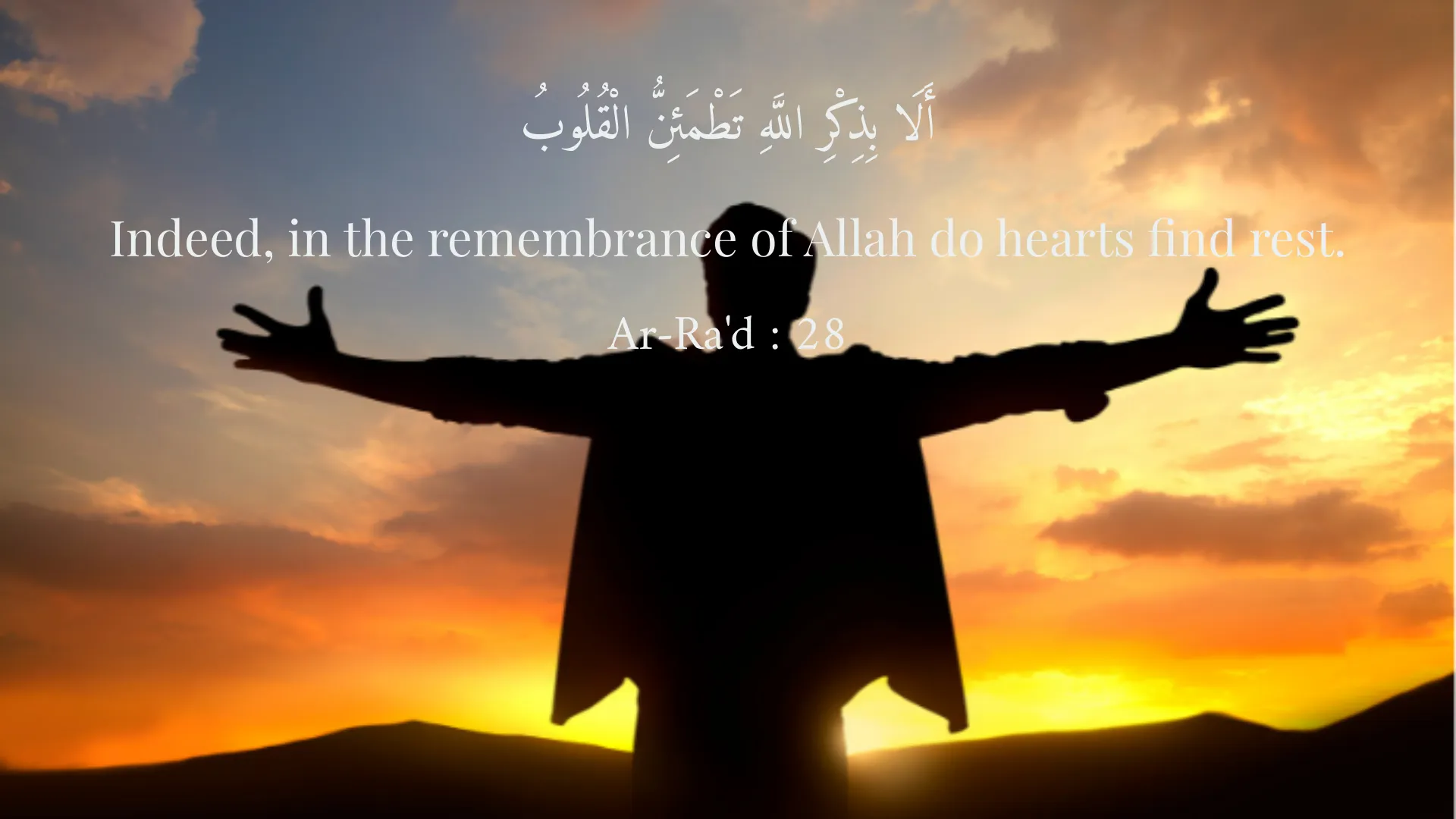
Doubt in faith is a profound challenge that many individuals face at various points in their lives. This struggle is a natural part of the human experience, as we are often confronted with questions about our beliefs and the existence of God. Such uncertainties can be deeply unsettling, but they can also serve as a catalyst for spiritual growth and a deeper understanding of faith. To combat these doubts, several strategies can be employed that empower individuals to deepen their belief and develop a robust connection with their spirituality. The very first step in addressing doubt is to refocus our attention on the omnipotence and existence of God. The recognition of God's supremacy and His role as the creator is fundamental in re-establishing faith. The Holy Quran makes it abundantly clear that believers should remain steadfast in their faith and continuously remember God. One particularly poignant verse that underscores this principle is found in Surah Ar-Ra'd, verse 28, which states: "Indeed, in the remembrance of Allah do hearts find rest." This verse powerfully illustrates that the act of remembering God, contemplating His attributes, and reflecting on His words can provide the solace needed to overcome feelings of doubt. The practice of remembrance—often termed ‘dhikr’—is not only a spiritual exercise but also a means of calming the troubled heart. Regularly engaging with the divine through supplication and reflection can lead to a significant shift in perspective, making it easier to address and manage doubts about faith. One effective tool to further combat doubt is consulting with faithful individuals who can provide support and share their insights. Engaging with a community of believers can foster a sense of belonging and affirm the strength of faith among peers. Moreover, studying the Quran and the Sunnah (traditions of Prophet Muhammad, peace be upon him) is integral to this process. In Surah Al-Imran, verse 100, Allah instructs believers to benefit from each other's guidance and advice: "O you who have believed, if you obey a portion of those who were given the Scripture, they will turn you back after your belief, and you will become losers." This verse emphasizes the importance of community and mutual encouragement among believers. By collectively studying and discussing religious texts, individuals can gain clarification on their queries, find comfort in shared experiences, and discover more profound insights into the faith that may help alleviate doubts. Prayer, or ‘Salah’, is another essential tool for confronting doubts. Through the act of prayer, one establishes a direct line to God and seeks His guidance and assistance through worship. In Surah Al-Mu'minun, verse 97, it is stated: "O my Lord, if I am in need of You, help me." This humble request exemplifies the essence of prayer as an intimate form of communication with God. When individuals face uncertainty or doubt, turning to prayer can provide clarity and reassurance. The act of supplication encourages believers to express their vulnerabilities and seek divine intervention. A connection forged through consistent prayer often empowers individuals to stand firm against the uncertainties that may plague their faith. Moreover, acting upon the teachings of Islam and performing acts of worship not only strengthens faith but also enables believers to experience the profound joy and fulfillment that come from practicing their beliefs. In Surah Al-Baqarah, verse 153, patience and prayer are presented as vital means of assistance for believers: "O you who have believed, seek help through patience and prayer. Indeed, Allah is with the patient." By embodying patience amid trials and consistently engaging in acts of worship, individuals can cultivate resilience against doubt and reaffirm their commitment to their faith. Simple acts such as attending communal prayers, fasting during Ramadan, and engaging in charitable works strengthen one’s connection to God and foster a sense of purpose. Furthermore, seeking guidance from a knowledgeable religious advisor or community leader can be incredibly beneficial when tackling doubts. These advisors are often equipped to address spiritual concerns, engage in thoughtful discussions, and provide insights rooted in religious teachings. Additionally, immersing oneself in moral and spiritual literature can be a source of comfort and wisdom. Books that explore themes of faith, belief, and spirituality may offer perspectives that resonate with individuals struggling with doubt, helping them to navigate their journey with greater clarity. Overall, overcoming doubts in faith is a multifaceted process that can be approached through several practical strategies. By focusing on God's attributes, studying the Quran, attending to the guidance of fellow believers, engaging in prayer, and acting upon religious teachings, individuals can protect and reinforce their faith. The acknowledgment that doubt is a common aspect of the spiritual journey can help alleviate the shame or distress often associated with it. In recognizing this, individuals can transform their doubts into opportunities for reflection and growth, ultimately leading to a more fortified and resilient belief system. In conclusion, doubt in faith does not signify a lack of belief but instead reflects the complexities of the human experience interacting with spirituality. By taking tangible steps to root oneself in the remembrance of God, seeking communal and divine support, and actively practicing one’s faith, individuals can overcome doubt and emerge with a more profound and enduring connection to their spirituality. It is through this dedication and effort that believers can experience the peace and solace that comes from a life steeped in faith.
Related Verses
أَلَا بِذِكْرِ اللَّهِ تَطْمَئِنُّ الْقُلُوبُ
Indeed, in the remembrance of Allah do hearts find rest.
Ar-Ra'd : 28
يَا أَيُّهَا الَّذِينَ آمَنُوا إِن تَطِيعُوا الَّذِينَ كَفَرُوا يَرُدُّوكُمْ عَلَى أَعْقَابِكُمْ فَتَنقَلِبُوا خَاسِرِينَ
O you who have believed, if you obey those who disbelieved, they will turn you back on your heels, and you will become losers.
Al-Imran : 100
وَقُل رَبِّ إِنِّي مَسَّنِيَ الشَّيَاطِينُ بِنُفَحَةٍ وَأَنتَ أَرْحَمُ الرَّاحِمِينَ
And say, 'My Lord, indeed, I have been touched by the devils with hardship, and I am invoking You, my Lord, that You may respond to me.'
Al-Mu'minun : 97
Short Story
Once upon a time, a man named Ali was sitting in a corner, pondering about his life. He felt insecure and doubts slowly crept into his heart. He recalled the verses of the Quran that say: 'Indeed, in the remembrance of Allah do hearts find rest.' He decided to dedicate time daily for prayer and remembering God. After a few weeks, he felt a strange peace in his heart, and his doubts gradually faded away.