Quranic Answer
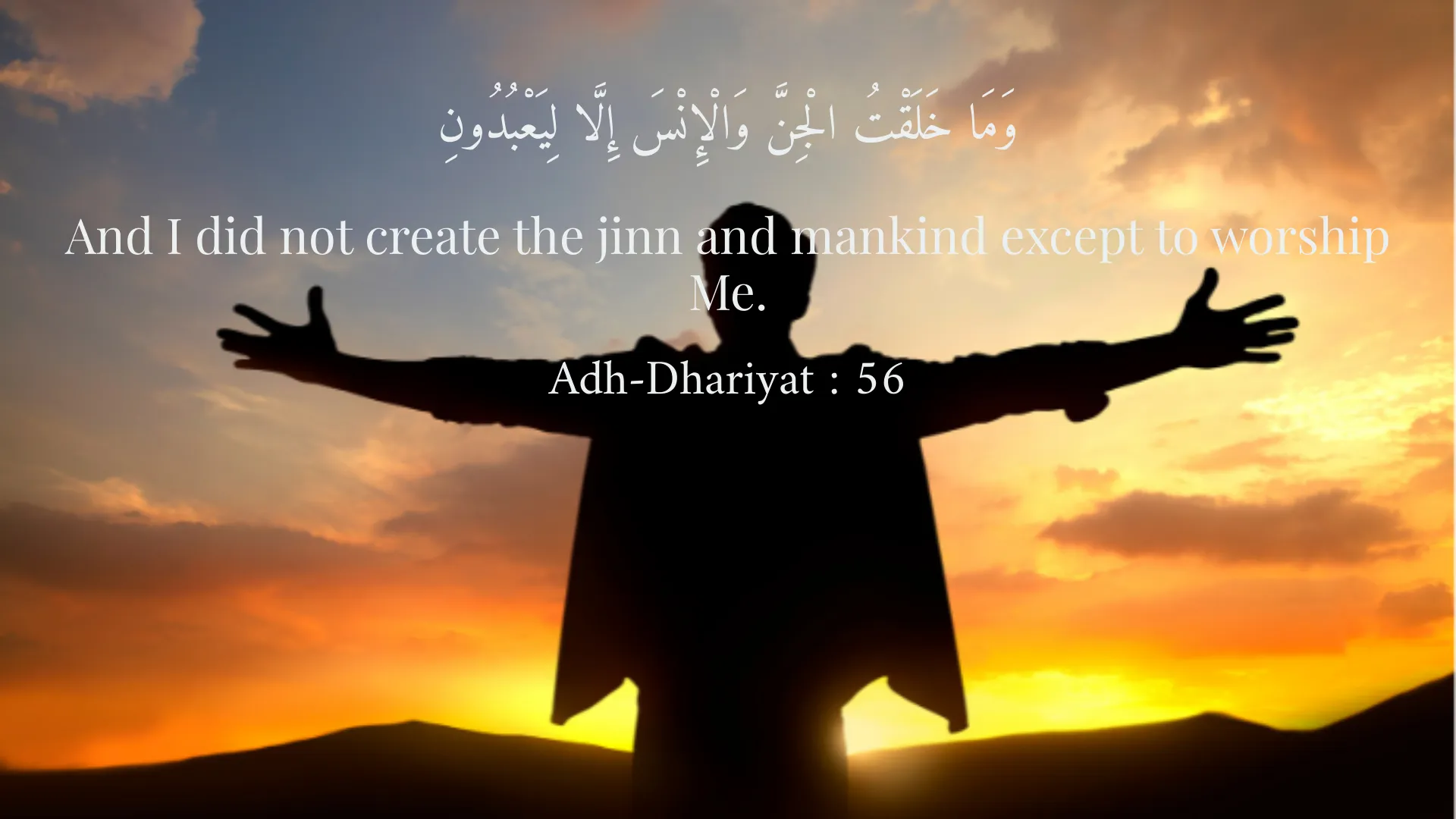
Living a purposeful life is a concept that resonates deeply with individuals across various cultures and beliefs. However, for Muslims, this notion takes on a distinct significance defined by the teachings of the Quran. The Quran is not merely a religious text; it is viewed as the ultimate guide that delineates the purpose of human existence and the path to achieving a fulfilling life. Understanding this purpose is crucial for anyone striving to live a life that is aligned with Islamic values. At the core of this understanding is the acknowledgment that the essence of human life is to worship Allah. The Quran explicitly states this in Surah Adh-Dhariyat, verse 56, where Allah says: 'And I did not create the jinn and mankind except to worship Me.' This powerful verse succinctly encapsulates the primary aim of creation and serves as a guiding principle for Muslims, emphasizing that the worship of Allah is not just an act performed in isolation, but rather it is the cornerstone of a meaningful existence. To lead a purposeful life, it is essential to maintain a conscious effort towards seeking Allah's pleasure. This involves not only performing obligatory acts of worship such as prayer and fasting but also striving to embody goodness and honesty in our daily actions. Life presents myriad opportunities to demonstrate our devotion to Allah through our interactions with others. Every act of kindness, every word of truth, and every effort to uphold justice reflects our commitment to His commands. The Quran also offers a cautionary reminder to believers regarding the importance of adhering to true faith. In Surah Al-Imran, verse 19, Allah states that the only accepted religion in His sight is Islam. This declaration compels Muslims to engage in a sincere quest for truth, encouraging them to deepen their understanding of their faith and align their lives with Quranic teachings. Such an approach nurtures a sense of awareness of one’s actions and their repercussions, thus paving the way for a life that is constructive and virtuous. The Quran also emphasizes the importance of guidance through familial relationships. In Surah Luqman, verse 13, Allah narrates a scene where Luqman advises his son, encouraging him to worship Allah and to lead a virtuous life. This narrative highlights the responsibility of parents to instill Islamic values in their children and emphasizes the role of family in fostering a life directed towards divine worship. Good behavior and moral ethics form the bedrock of a purposeful life in Islam. The Quran encourages Muslims to exhibit kindness, honesty, and respect towards others, particularly to parents, as shown in various verses. For instance, in Surah Al-Isra, verse 23, Allah commands that one should not say a word of disrespect to parents and should treat them with utmost kindness. Such teachings reinforce the idea that living purposefully extends beyond individual worship; it encompasses upholding moral integrity and fostering healthy relationships. Moreover, lending a helping hand to those in need is another defining characteristic of a life grounded in Islamic teachings. Helping others and engaging in charitable acts are forms of worship that bring about both personal fulfillment and communal harmony. The Quran in Surah Al-Baqarah emphasizes the importance of generosity and helping those less fortunate by stating: 'The example of those who spend their wealth in the cause of Allah is like a seed of grain that sprouts into seven ears.' This analogy illustrates how acts of charity yield both spiritual and material rewards, thereby contributing to a purposeful life. In order to ensure that our lives reflect this purposeful outlook, it is essential to align our personal goals with the principles outlined in the Quran. Each goal should be meticulously examined in the light of Allah's guidance, ensuring that every action we undertake is a manifestation of our devotion to Him. This alignment necessitates constant self-reflection and a commitment to spiritual growth. By embedding the remembrance of Allah in our daily routines, we cultivate an environment where good actions flourish and the desire to attain Allah’s pleasure becomes an intrinsic motivator. A purposeful life in Islam therefore is not solely defined by ritualistic acts of worship, but by a holistic approach that encompasses ethics, compassion, and community involvement. Muslims are called to be examples of moral integrity in society, thereby contributing positively to the world around them. This integration of faith into every aspect of life creates a synergy that enhances personal and collective well-being. In conclusion, living a purposeful life according to the Quran is about recognizing our primary duty to worship Allah and integrating that worship into every facet of our existence. It is about striving for goodness, upholding justice, and adhering to the teachings of Islam in our interactions and relationships. By committing ourselves to seeking the pleasure of Allah through worship, ethical conduct, and service to humanity, we can lead fulfilling lives that resonate with the true purpose of our creation. Let us carry the teachings of the Quran in our hearts and embody them in our actions, ensuring that every moment of our lives reflects our commitment to living a purposeful existence.
Related Verses
وَمَا خَلَقْتُ الْجِنَّ وَالْإِنْسَ إِلَّا لِيَعْبُدُونِ
And I did not create the jinn and mankind except to worship Me.
Adh-Dhariyat : 56
إِنَّ الدِّينَ عِندَ اللَّهِ الْإِسْلَامُ
Indeed, the religion in the sight of Allah is Islam.
Al-Imran : 19
وَإِذْ قَالَ لُقْمَانُ لِابْنِهِ وَهُوَ يَعِظُهُ يَا بُنَيَّ لَا تُشْرِكْ بِاللَّهِ إِنَّ الشِّرْكَ لَظُلْمٌ عَظِيمٌ
And when Luqman said to his son while he was instructing him, 'O my son, do not associate [anything] with Allah. Indeed, association is great injustice.'
Luqman : 13
Short Story
One day, a man named Ali was pondering over the words of God in the Quran. He wondered how he could live a purposeful life. Remembering the verse 'And I did not create the jinn and mankind except to worship Me,' he decided to devote more of his time to worshiping Allah and helping others. After a few months, he sensed a new flavor in his life and found inner peace.