Quranic Answer
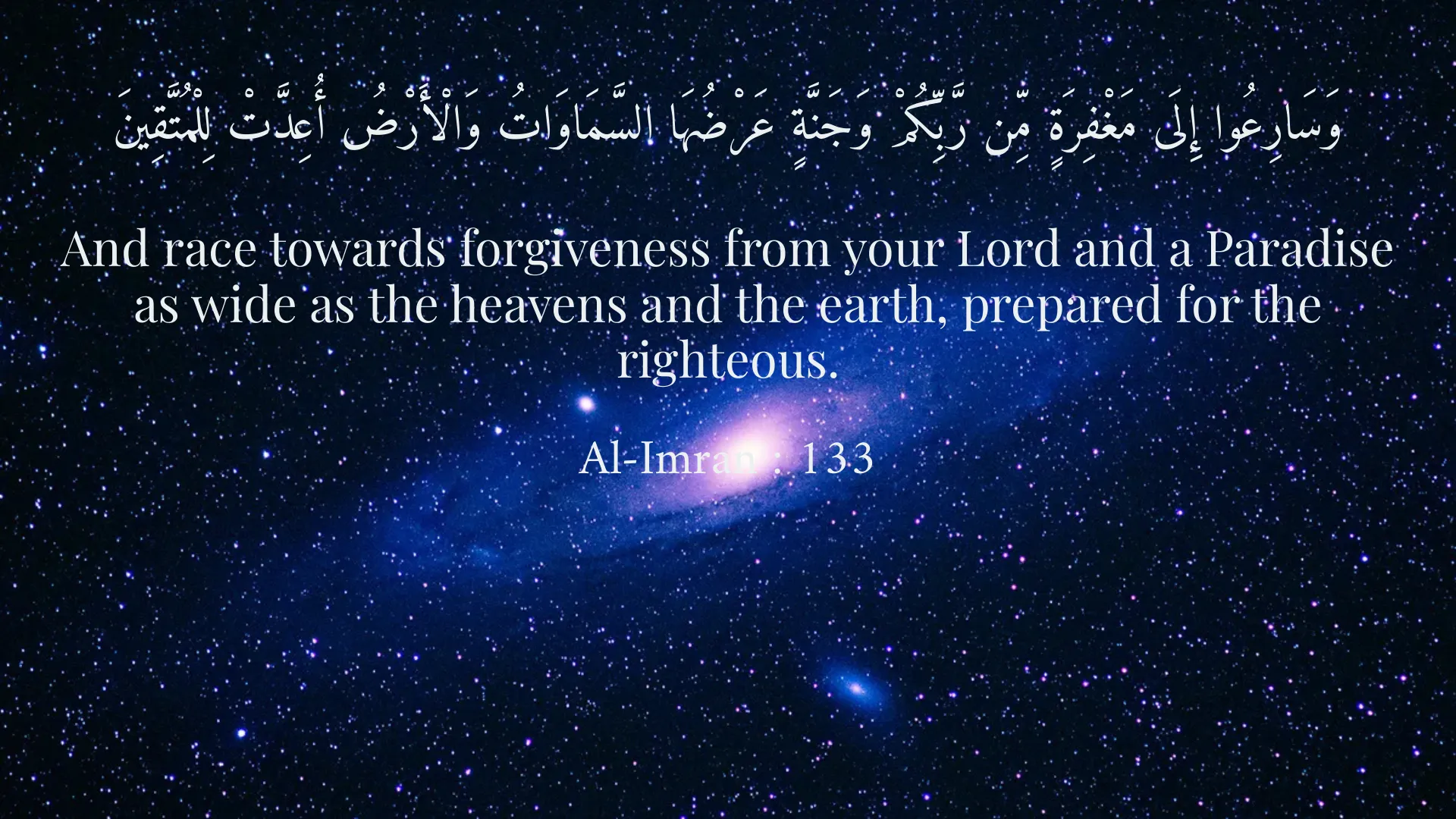
Maintaining consistency in good deeds is not merely a suggestion within Islamic teachings; it is a foundational principle that underscores the essence of a spiritually fulfilling life. The Holy Quran, as the verbatim speech of Allah (God), provides myriad instructions and examples regarding the importance of doing good continuously. This principle is aptly highlighted in Surah Al-Imran, verse 133, wherein Allah encourages believers to ‘race towards forgiveness from your Lord and a Paradise as wide as the heavens and the earth, prepared for the righteous.’ This statement does not merely announce the virtues of undertaking good deeds but frames the practice as an urgent, competitive endeavor that requires immediate attention and action. Understanding Good Deeds in Islam Good deeds encompass a wide range of actions that promote ethical behavior and social welfare. In the Islamic framework, good deeds include not only ritual worship, such as prayer and fasting but also acts of kindness, charity, and social justice. These acts are essential components of a believer's faith and manifest their obedience to God's commandments. For instance, engaging in acts of charity (Sadaqah) is often viewed as an essential obligation—one that draws believers closer to Allah and brings about tangible benefits in both this world and the Hereafter. The Quran emphasizes that Allah is merciful and forgiving. Thus, believers are encouraged to maintain focus on good acts that strengthen their relationship with God. By racing towards good deeds, they align their actions with the values of faith, charity, and compassion. Each action, no matter how seemingly small, contributes to the overall betterment of society and the individual. This perspective is fundamental in fostering a community that thrives on mutual support and collective responsibility. The Consequences of Consistency in Good Deeds The importance of consistency in good deeds cannot be overstated. In Surah Al-Mu'minun, verse 11, Allah states, ‘It is they who will inherit the Paradise,’ referring to those who remain steadfast in their good deeds. This verse serves as a promise for the believers who consistently strive for righteous conduct, illuminating the path to Paradise and eternal rewards. Consistency in good deeds fosters a sense of discipline and commitment within individuals. It creates a lifestyle characterized by purpose, where actions are driven by an intention to serve others and please Allah. When believers engage in good deeds regularly, they cultivate a habit that can transform their character and, subsequently, their lives. Such a transformation affects not only the individual but also the surrounding community by setting an example of good behavior and ethical conduct. Furthermore, when believers engage in congregational prayers, support charitable initiatives, assist those in need, and treat others with kindness, they reinforce their commitment to these values. Performing acts of worship in congregation highlights the significance of community in Islam. It contributes to building bonds of brotherhood and sisterhood among believers, fortifying their faith and encouraging them collectively to engage in more good deeds. Spiritual and Social Benefits of Consistency Engagement in consistent good deeds thus has both spiritual and social ramifications. Spiritually, it nourishes the soul, enhances one's connection with Allah, and instills a sense of peace and satisfaction. Good deeds serve as a means of purifying the heart, bringing about inner tranquility and aligning the individual's values with divine will. When one finds joy in acts of charity and helping others, it replenishes their faith, making them more resilient against life's challenges. On a social level, regular acts of kindness foster a spirit of cooperation and empathy among individuals. When communities rally together to assist the needy, distribute resources, and create an environment imbued with goodwill, the overall quality of life improves. People feel valued, loved, and supported, thereby reducing feelings of isolation and despair. This collective goodwill is essential to combat social evils, such as poverty and crime, as it encourages a culture where compassion thrives over indifference. The Role of Faith and Accountability To maintain consistency in good deeds, a believer must rely on their faith. Faith serves as the backbone of all righteous actions, directly linking the heart's intentions with the corresponding actions. It creates a deep awareness of accountability before Allah, as believers understand that they will be questioned regarding their deeds in the Hereafter. Thus, staying true to the intention of performing good acts becomes crucial, where each action is infused with sincerity and dedication. Utilizing prayer as a tool for spiritual strength is instrumental in reinforcing the resolve to be consistent in good deeds. Through regular supplication, individuals can seek guidance, patience, and perseverance from Allah. Moreover, consulting with virtuous individuals can provide the necessary motivation and encouragement to remain steadfast in the pursuit of good. Virtuous companions serve as reminders of the importance of consistency and can help foster an environment where good deeds flourish. Conclusion Ultimately, maintaining consistency in good deeds represents a lifelong commitment to righteousness and societal betterment. It is a cornerstone of faith that necessitates determination, prayer, and mutual support among believers. By embracing this principle, individuals not only fulfill their religious obligations but also contribute to creating a more compassionate society. In striving to achieve Allah's pleasure and forgiveness, they cultivate a meaningful existence while paving their pathway to Paradise. The essence of a fulfilling life can, therefore, be distilled into the practice of consistent good deeds, a journey that leads not just to personal peace but also to extended impact on communities and humanity at large.
Related Verses
وَسَارِعُوا إِلَى مَغْفِرَةٍ مِّن رَّبِّكُمْ وَجَنَّةٍ عَرْضُهَا السَّمَاوَاتُ وَالْأَرْضُ أُعِدَّتْ لِلْمُتَّقِينَ
And race towards forgiveness from your Lord and a Paradise as wide as the heavens and the earth, prepared for the righteous.
Al-Imran : 133
أُو۟لَـٰئِكَ هُمُ ٱلْوَارِثُونَ
It is they who will inherit the Paradise.
Al-Mu'minun : 11
Short Story
One day, a man named Hassan was sitting among his friends and discussing good deeds. He said to them, 'Friends, it's important for us to maintain consistency in good deeds. I've decided to read a book every day and help the poor. When we persist in these actions, our lives become more beautiful.' His friends were inspired by Hassan and decided to join him. Thus, they formed a small group to support each other in maintaining their commitment to good deeds every week.