Quranic Answer
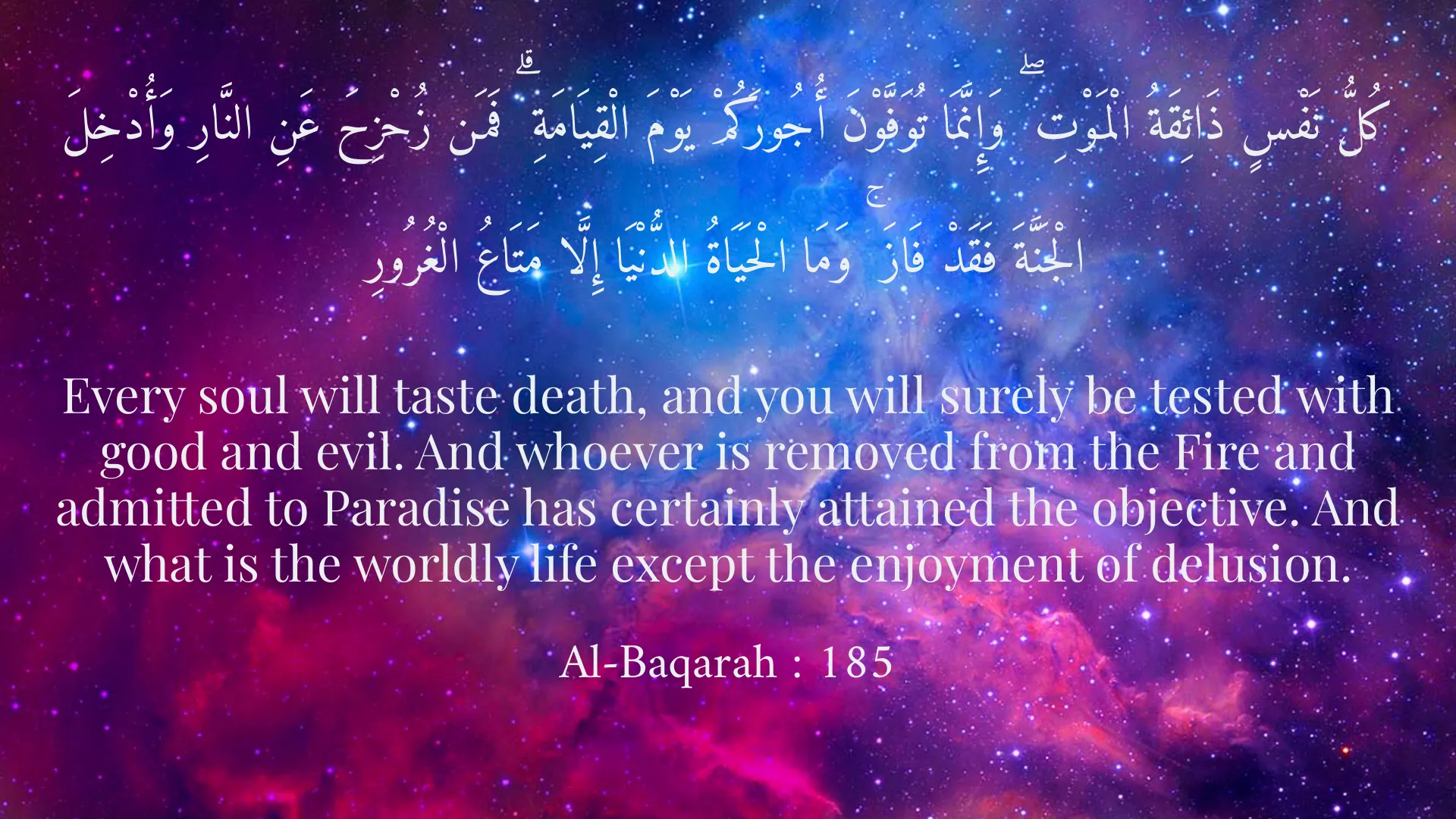
Preparing for death is one of the significant aspects of every individual's life. Many people avoid contemplating death, considering it an uncomfortable topic. However, confronting the reality of mortality can lead to a richer, more meaningful existence. In the context of the Islamic faith, the Holy Quran provides comprehensive guidance on the inevitability of death and the importance of preparing for it. With verses that stress the transient nature of life and the permanence of the afterlife, the Quran serves as a reminder that every soul will eventually face death. Verse 185 of Surah Al-Baqarah poignantly states, 'Every soul will taste death, and you will surely be tested with good and evil.' (Surah Al-Baqarah, 2:185). This verse encapsulates the Islamic belief that death is not an endpoint but a transition to another existence—one where our deeds and intentions will be evaluated. By understanding that our time on this earth is limited, we can align our lives more closely with the tenets of our faith and improve our character. The realization of life's impermanence should lead individuals to reflect deeply on their actions and choices. Are we living lives focused on our material desires, or are we engaged in activities that promote spiritual growth and help us fulfill our obligations towards God? Engaging with verse 70 of Surah An-Nahl further enriches this understanding: 'And Allah will guide those who strive for His sake.' This verse implies that the effort we put into our deeds in this world will bear fruit in the afterlife. Therefore, when we face the reality of death, we should ensure that we have endeavored to live in a way that is pleasing to Allah. In addition to individual spirituality, nurturing relationships with family, friends, and the community plays a crucial role in preparing for death. Good relationships can act as a source of comfort and support, not just in life but also in death. When an individual approaches the time of their departure, they are often surrounded by loved ones who can help remind them of the beauty of the faith that they have lived by. Charity, or 'Sadqa,' serves as another essential element in preparing for the eventuality of death. Giving to those less fortunate reflects compassion, which is at the heart of the teachings of Islam. The act of generosity not only benefits the recipient but also purifies the giver’s heart and can lead to increased blessings in this life and the next. Repentance is also a vital aspect of preparation for death. In Islam, no one is free from sin, and the acknowledgment of our mistakes is an important step towards seeking forgiveness. Engaging in sincere prayers and making amends can work as a reinforcement of our faith. It is through addressing our shortcomings that we can restore our relationship with Allah and approach death with a peaceful heart. The practice of prayer, particularly the five daily prayers, serves to remind us of our Creator, keeping our spirits uplifted and our focus aligned with God’s teachings. Through routine devotion, Muslims are constantly reminded of the afterlife, providing them with the reassurance that life on earth is temporary and that true existence lies beyond. A mindful approach to death can also lead to a deeper understanding of life. By integrating the concept of mortality into our daily lives, we can become more empathetic towards others and develop a sense of gratitude for the life we have. It encourages us to cherish moments, build connections, and create a legacy of kindness, love, and faith. Acceptance of death allows one to embrace life with more authenticity, freeing individuals from the fear and anxiety that often accompany the thought of dying. Moreover, engaging with communities that discuss and reflect on death and the afterlife can strengthen our faith and offer support. Participating in lectures, study circles, or other gatherings that address the importance of the afterlife can create a network of understanding and compassion. This shared effort can serve to normalize discussions about mortality, transforming fear into a sense of camaraderie and holistic preparation for what lies ahead. As we delve into the implications of these teachings, it becomes clear that preparing for death is not a solitary journey but one that is intertwined with the community and one’s broader relationships. Accepting death as part of life allows us to honor our connections through acts of charity, ensuring that our loved ones are taken care of spiritually and materially after we depart. In conclusion, preparing for death requires a multifaceted approach—one that incorporates belief, action, relationship-building, repentance, and gratitude. The Quran offers profound insights into understanding death, guiding believers to live mindfully and purposefully, always aware that the inevitable awaits us all. Accordingly, Muslims are encouraged to lead lives aligned with faith and virtuous principles, so that when the moment of departure arrives, they can leave this world with serenity, assured of a place in the afterlife. Engaging deeply with these concepts not only prepares us for death but enriches our time in this world, allowing for a life of joy, purpose, and profound fulfillment.
Related Verses
كُلُّ نَفْسٍ ذَائِقَةُ الْمَوْتِ ۖ وَإِنَّمَا تُوَفَّوْنَ أُجُورَكُمْ يَوْمَ الْقِيَامَةِ ۗ فَمَن زُحْزِحَ عَنِ النَّارِ وَأُدْخِلَ الْجَنَّةَ فَقَدْ فَازَ ۚ وَمَا الْحَيَاةُ الدُّنْيَا إِلَّا مَتَاعُ الْغُرُورِ
Every soul will taste death, and you will surely be tested with good and evil. And whoever is removed from the Fire and admitted to Paradise has certainly attained the objective. And what is the worldly life except the enjoyment of delusion.
Al-Baqarah : 185
وَأَنْفُسٌ مِّنَ العِزُّ يُمَيِّزَ فيكُمْ.
And Allah will guide those who strive for His sake.
An-Nahl : 70
Short Story
One day, a man named Ali went to the market and saw everyone engaged in buying and selling. He remembered death and decided to keep it in mind every day to live better. He began to help the needy and take better care of his family. Over time, he found greater peace and enjoyed his life more.