Quranic Answer
The Day of Judgment is a pivotal event in Islamic eschatology, a moment when every soul is held accountable for their deeds in this life. The Holy Quran, as a divine guideline, provides profound insights into how one can prepare for this inevitable reality. In this article, we will analyze essential teachings from the Quran, focusing on piety, good deeds, charity, and the worship of Allah, emphasizing their importance in establishing a robust framework for our lives as we approach the Day of Judgment. ### The Importance of Piety and Righteousness One of the foremost themes in the Quran regarding the preparation for the Day of Judgment is the concept of piety and righteousness. In Surah Al-Baqarah, verse 2, Allah declares: "This is the Book about which there is no doubt, a guidance for those conscious of Allah." This verse underscores the significance of maintaining consciousness of Allah (Taqwa) in our daily lives. Taqwa not only involves fear of Allah but also embodies love, faith, and devotion toward Him. The significance of piety is further emphasized through the Quran's repeated reminders about the ephemeral nature of life. Life on Earth is a temporary stage where we must cultivate righteousness to ensure a favorable standing on the Day of Judgment. Living a life of piety mandates that we constantly seek knowledge and guidance through the teachings of the Quran and the Sunnah (traditions of Prophet Muhammad). ### The Finitude of Life and the Reality of Death Moreover, recognizing the transient nature of our existence prepares our hearts for the moment of reckoning. Surah Al-Imran, verse 185 states: "Every soul will taste death, and you will only be given your [full] compensation on the Day of Resurrection." This profound declaration serves as a wakeup call, urging believers to reflect on their actions, conduct, and goals. Understanding that death is certain and can arrive at any moment prompts a serious contemplation of our lives and the marks we wish to leave behind. The notion that each individual's actions will be compensated on the Day of Resurrection instills a sense of responsibility. This awareness is vital; it becomes a catalyst for striving towards righteousness and for engaging actively in good deeds, thus preparing ourselves for divine judgment. ### Engaging in Good Deeds Performing good deeds is integral to the Islamic faith, forming a bridge between belief and action. The Quran emphasizes this in Surah An-Nahl, verse 97: "Whoever does righteous deeds, whether male or female, while he is a believer – We will surely cause him to live a good life, and We will surely give them their reward in accordance with the best of what they used to do." This verse highlights a fundamental principle of faith: actions speak louder than intentions. Good deeds reduce the weight of our sins, contribute to our social development, and allow us to positively impact the lives of those around us. Serving the community, helping the needy, and engaging in acts of kindness are not merely encouraged; they are imperative acts of worship that connect us with our Creator while additionally benefiting humanity. ### The Role of Charity The practice of charity emerges as a critical component of preparing for the Day of Judgment. God highlights this aspect vividly in Surah Al-Baqarah, verse 267, stating: "O you who have believed, spend from the good things which you have earned..." Charity is a demonstration of faith in action; it reflects awareness of Divine blessings and a commitment to mutual aid and compassion. Engaging in charitable acts, whether through financial support or giving time and effort, serves not only the receiver but elevates the spiritual state of the giver. The Quran reiterates that Allah has made charity a means of atonement for our shortcomings and sins, thus providing a path toward redemption and enhancement of one’s moral character. Integrating charity into our lives transforms our hearts and equips us better for facing Allah on the Day of Judgment. ### The Importance of Worship and Connection with God As we endeavor to prepare ourselves through piety, good deeds, and charity, we must not overlook the importance of enhancing our worship and connection with Allah. Surah An-Nisa, verse 77 states: "And whoever obeys Allah and His Messenger – those will be with the ones upon whom Allah has bestowed favor..." Cultivating a relationship with Allah through regular prayers, recitation of the Quran, and remembrance (dhikr) nourishes the soul, immaculately shaping our character and actions. Worship becomes the cornerstone of our existence; it transforms our lives into a continuous act of devotion, guiding our choices, decisions, and relationships. The more we engage in worship, the more Allah's mercy encompasses us, fortifying our resolve to embody the values Allah outlines in the Quran. This direct connection strengthens our faith, mitigating fear and filling our hearts with hope, particularly as we approach the moment of judgment. ### Conclusion In summary, the Holy Quran provides an elaborate framework for preparing for the Day of Judgment. The principles of piety, performing good deeds, giving charity, and engaging in worship are essential pillars that every believer should focus on. Collectively, they encourage personal growth while promoting community welfare and fostering a stronger relationship with Allah. By aligning our lives with these teachings, we not only prepare for the Day of Judgment but also cultivate a life full of meaning, purpose, and spiritual enrichment. The journey toward judgment is a continuous path, and as we navigate through it, we should always strive to embrace the lessons imparted by the Quran. Ultimately, our preparations reflect our understanding of life’s transience and our commitment to facing the Divine with a heart full of faith, good actions, and sincere repentance.
Related Verses
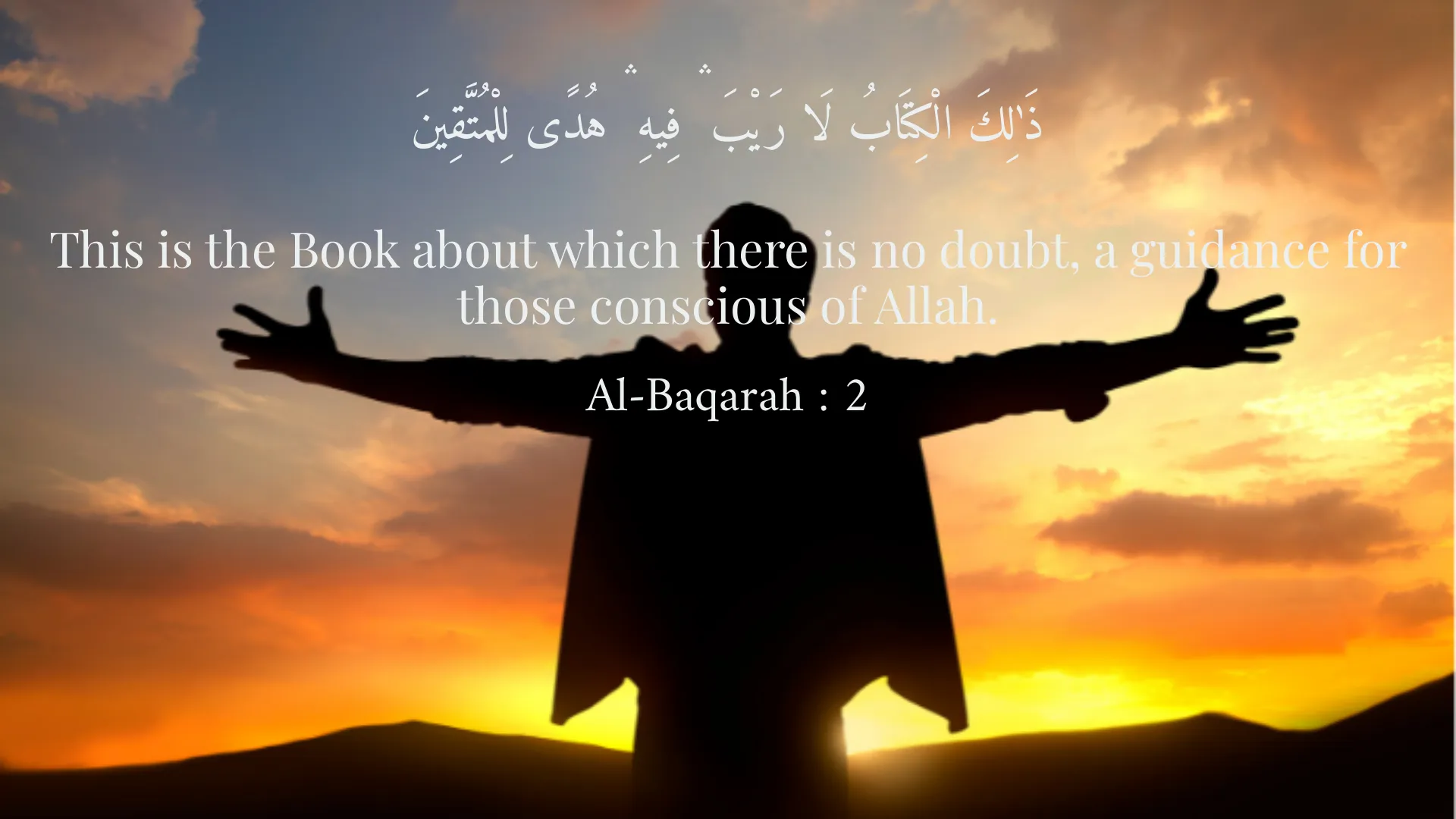
ذَٰلِكَ الْكِتَابُ لَا رَيْبَ ۛ فِيهِ ۛ هُدًى لِلْمُتَّقِينَ
This is the Book about which there is no doubt, a guidance for those conscious of Allah.
Al-Baqarah : 2
كُلُّ نَفْسٍ ذَائِقَةُ الْمَوْتِ ۖ وَإِنَّمَا تُوَفَّوْنَ أُجُورَكُمْ يَوْمَ الْقِيَامَةِ ۚ فَمَن زُحْزِحَ عَنِ النَّارِ وَأُدْخِلَ الْجَنَّةَ فَقَدْ فَازَ ۖ وَمَا الْحَيَاةُ الدُّنْيَا إِلَّا مَتَاعُ الْغُرُورِ
Every soul will taste death, and you will only be given your [full] compensation on the Day of Resurrection.
Al-Imran : 185
مَن عَمِلَ صَالِحًا مِّن ذَكَرٍ أَوْ أُنثَىٰ وَهُوَ مُؤْمِنٌ فَلَنُحْيِيَنَّهُ حَيَاةً طَيِّبَةً ۖ وَلَنَجْزِيَنَّهُمْ أَجْرَهُم بِأَحْسَنِ مَا كَانُوا يَعْمَلُونَ
Whoever does righteous deeds, whether male or female, while he is a believer – We will surely cause him to live a good life.
An-Nahl : 97
Short Story
Once upon a time, a young man named Amir sat in the market reminiscing about his youthful days. He realized he lacked enough time for worship and good deeds in his life. He decided to start doing good from that moment and to strengthen his connection with God. By starting to read the Quran and pray, he felt a greater sense of happiness and peace. In contemplating for the Day of Judgment, he recalled that his good deeds would precede him and, for that reason, he continued his life with a heart full of gratitude.