Quranic Answer
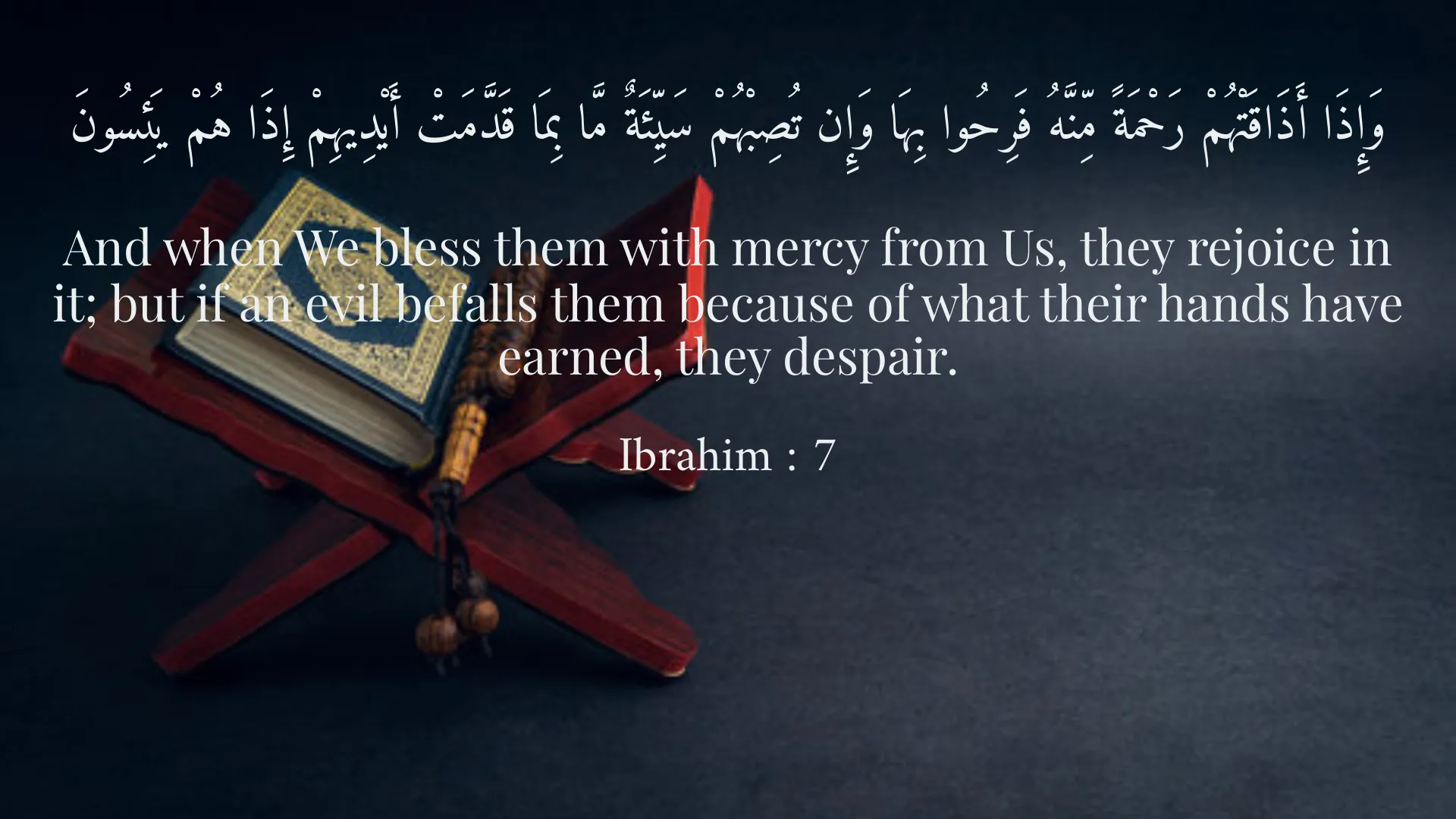
In the Holy Quran, the concepts of gratitude and patience in the face of difficulties are profoundly articulated, offering a spiritual compass for believers facing the trials of life. The teachings of the Quran emphasize the importance of maintaining faith and developing an attitude of gratitude, especially during challenging times like poverty or destitution. These themes are not only central to Islamic teachings but also resonate with universal human experiences, providing profound insights into how individuals can navigate their lives amidst adversity. Poverty and destitution can often cast a shadow of despair over an individual’s life, leading to feelings of hopelessness and disillusionment. In such moments, many may find themselves questioning their circumstances and even their faith. However, the Quran serves as a reminder that in every condition—be it prosperity or adversity—we should remember Allah and be thankful for the blessings we possess, no matter how small they may seem. This perspective encourages believers to shift their focus away from their struggles and toward the positive aspects of their lives. For instance, in Surah Ibrahim, verse 7, Allah states: 'And when We bless them with mercy from Us, they rejoice in it; but if an evil befalls them because of what their hands have earned, they despair.' This verse captures the human tendency to rejoice in blessings while often succumbing to despair in the face of hardship. Here, the Quran is teaching us the importance of maintaining a balanced outlook—acknowledging the joys in life and also accepting the pains, all while keeping faith in Allah. The message is clear: while human beings may experience fluctuating fortunes, their faith should remain steadfast, and their gratitude should be unwavering. Moreover, Surah Al-Imran, verse 173 states: 'No affliction befalls us except by the permission of Allah.' This profound statement is a reminder of the divine sovereignty in all matters of life. It encourages believers to adopt a grateful perspective on life’s challenges, acknowledging that every difficulty is, in fact, a divine decree. Understanding that struggles are sanctioned by Allah can help believers to endure hardships with grace and patience. When faced with adversity, instead of succumbing to despair, they can choose to adopt an attitude of acceptance and gratitude, recognizing that their reaction to challenges is what ultimately defines their experience. One effective strategy for cultivating gratitude during difficult times is through prayer and supplication. Engaging in prayer offers individuals a direct line of communication with Allah, allowing them to express their concerns, seek guidance and support, and find solace. By turning to Allah in prayer, believers can experience inner peace amid their struggles, helping them to appreciate the small blessings and joys present in their lives. Often, individuals facing poverty tend to dwell on what they lack, leading to a sense of inadequacy and dissatisfaction. However, the Quran encourages a different approach—one that focuses on recognizing and cherishing even the smallest gifts and acts of kindness from Allah and those around us. By practicing gratitude, individuals can foster a spirit of positivity that counteracts the negative feelings associated with hardship. The act of deliberately acknowledging what one has—such as supportive relationships, health, and even the mere breath of life—can shift one’s mindset from despair to appreciation. In addition, the practice of gratitude is not only a personal endeavor but can also have a ripple effect on social relationships and communities. When individuals embrace a grateful attitude, they are likely to foster a more positive environment around them. This positivity can strengthen communal bonds, promote kindness, and create an atmosphere of support and mutual respect. Hence, gratitude becomes a catalyst for social harmony and interpersonal connections, essential elements in overcoming communal adversities. Furthermore, various Islamic scholars and spiritual guides have shed light on the importance of developing resilience in the face of trials. Many emphasize that learning to be grateful during difficult times not only aligns with Islamic teachings but also contributes to overall psychological well-being. Acknowledging one’s blessings can be therapeutic; research in positive psychology indicates that gratitude is linked to increased levels of happiness and decreased levels of depression. Therefore, cultivating gratitude through spiritual practices can greatly enhance one’s mental health and emotional resilience, allowing individuals to confront challenges with a more balanced and hopeful perspective. Additionally, during prayer and reflection, individuals can draw inspiration from the stories of the Prophets, who faced numerous trials yet remained steadfast in their faith and gratefulness. These stories serve as reminders that enduring hardship is a common human experience, and that perseverance, combined with gratitude, can lead to greater spiritual success and fulfillment. For example, the story of Prophet Job (Ayyub), who endured immense suffering yet maintained his faith and gratitude, resonates deeply with believers. His patient endurance and unwavering gratitude ultimately led to divine mercy and restoration, inspiring countless individuals to find hope even in their darkest moments. In conclusion, the Quran's teachings on gratitude and patience amid adversity offer profound guidance for individuals navigating through life's challenges. It emphasizes the importance of keeping faith in Allah, recognizing the blessings we have, and maintaining a grateful outlook even in times of hardship. Engaging in prayer and practicing gratitude not only strengthens one’s spiritual connection with Allah but also contributes to mental and emotional resilience. Therefore, fostering a positive spirit centered on gratitude can transform our experiences of poverty and difficulty into opportunities for growth, joy, and tranquility. As we face the inevitable ups and downs of life, let us remember to hold onto our faith, express gratitude, and find peace amidst the chaos.
Related Verses
وَإِذَا أَذَاقَتْهُمْ رَحْمَةً مِّنَّهُ فَرِحُوا بِهَا وَإِن تُصِبْهُمْ سَيِّئَةٌ مَّا بِمَا قَدَّمَتْ أَيْدِيهِمْ إِذَا هُمْ يَئِسُونَ
And when We bless them with mercy from Us, they rejoice in it; but if an evil befalls them because of what their hands have earned, they despair.
Ibrahim : 7
مَا أَصَابَنَا إِلَّا مَا كَتَبَ اللَّهُ لَنَا
No affliction befalls us except by the permission of Allah.
Al-Imran : 173
Short Story
Once upon a time, a man named Hasan faced numerous financial difficulties in his life. He remembered the verses of the Quran and decided instead of despair, to be grateful. Every day, Hasan would remember Allah and say, 'Oh Allah, whatever you have is good.' As time passed, Hasan realized that even in poverty, he could find joy and peace, as the strength of his faith and gratitude enriched him.