Quranic Answer
The love for Ahlul Bayt (peace be upon them) is indeed one of the fundamental principles of Islam that transcends time and deeply influences the lives of millions of Muslims around the globe. This love is not merely an emotional response, but it has extensive theological, ethical, and spiritual dimensions as outlined repeatedly throughout the Quran. To truly appreciate this love for Ahlul Bayt, a comprehensive exploration must be undertaken to understand its roots, implications, and the manner in which it can be fostered within the hearts of believers. In the Holy Quran, Allah commands His followers to exhibit love for the Prophet Muhammad (peace be upon him) and his family, emphasizing their integral roles within the framework of Islamic teachings. One of the most significant verses that underline this command is found in Surah Al-Ma'idah, verse 55: "Your ally is Allah and His Messenger and those who have believed - those who establish prayer and give zakah while they bow." This verse is pivotal as it not only expresses allegiance to Allah and His Messenger but also highlights the importance of believers who practice faith authentically. This creates a triad of love and allegiance that extends from Allah to His Prophet and finally to the Ahlul Bayt. The Ahlul Bayt, which literally translates to ‘the family of the Prophet,’ comprises key figures including Fatimah (may Allah be pleased with her), Ali (may Allah be pleased with him), Hasan (may Allah be pleased with him), and Husayn (may Allah be pleased with him), among others. Their exemplary lives serve as ideal models for Muslims, demonstrating unwavering faith, selflessness, and moral integrity. Strengthening the love for Ahlul Bayt, therefore, means striving to embody their teachings and practices in our daily lives. This commitment can manifest through various forms, such as adhering to their ethical values, immersing ourselves in their narratives, and practicing their wisdom in our interactions with others. One essential aspect of nurturing this love is through consistent recitation and reflection on the virtues and teachings of Ahlul Bayt. Engaging with the stories of their lives fosters a deeper connection and appreciation of their struggles and triumphs. Furthermore, it encourages believers to emulate their patience, resilience, and commitment to justice. Initiatives like holding commemorative gatherings on significant occasions, such as The Day of Ashura, the birth and martyrdom anniversaries of the Ahlul Bayt, provide communal platforms for sharing, learning, and reinforcing this love. In these settings, the community collectively recalls the sacrifices made by these revered figures and reflect upon the values they stood for. Moreover, the Quran illustrates the notion that genuine love emanates from adhering to divine commandments and responding to heavenly guidance. As articulated in Surah Ash-Shura, verse 23: "Say, 'I do not ask you for it any reward; but love for my near relatives.'" This verse underlines that the love for the Ahlul Bayt is intrinsically linked to the fulfillment of higher moral imperatives and the enactment of divine will. Hence, the path to enhancing our faith inevitably involves performing righteous deeds, which include not only love for Ahlul Bayt but also for fellow believers, thus fostering a sense of brotherhood and unity. Additionally, spiritual practices such as prayer and supplicating to Allah for guidance can enhance the love for Ahlul Bayt. By seeking closeness to Allah through prayer and the remembrance of His beloved Prophet's family, the heart becomes illuminated, and the feelings of love towards them intensify. It is deeply rooted in Islamic theology that a heart filled with love for Ahlul Bayt finds peace and tranquility — for they are the guardians of the true teachings of Islam, guiding believers towards righteousness. Furthermore, the love for Ahlul Bayt serves as a powerful antidote to societal divisions. By recognizing the sanctity and importance of this illustrious family, believers can unite across cultural and racial lines, celebrating their shared faith and values. The teachings of Ahlul Bayt promote compassion, kindness, and equity, principles that are essential in building a harmonious society, which aligns with the Quranic vision of community cohesion. In essence, nurturing love for Ahlul Bayt is not an isolated act devoid of context; rather, it is a comprehensive approach that requires dedication and sincerity from each believer. This endeavor encompasses understanding the profound role that the Ahlul Bayt plays in Islamic history, actively engaging with their legacies, and applying their teachings in our own lives. Healthy expressions of this love are seen in acts of justice, charity, and the pursuit of knowledge. As believers strive to live according to these principles, they not only reinforce their connection to the Ahlul Bayt but also cultivate an atmosphere of unity and love within their communities. Ultimately, the love for Ahlul Bayt is a journey that encompasses belief, action, and community involvement. It requires perseverance and continuous reflection while incorporating the core teachings of Islam in every aspect of life. By doing so, believers can not only deepen their love for Ahlul Bayt but can also contribute to the enrichment of Islam, ensuring that the teachings of these remarkable figures continue to thrive and inspire future generations.
Related Verses
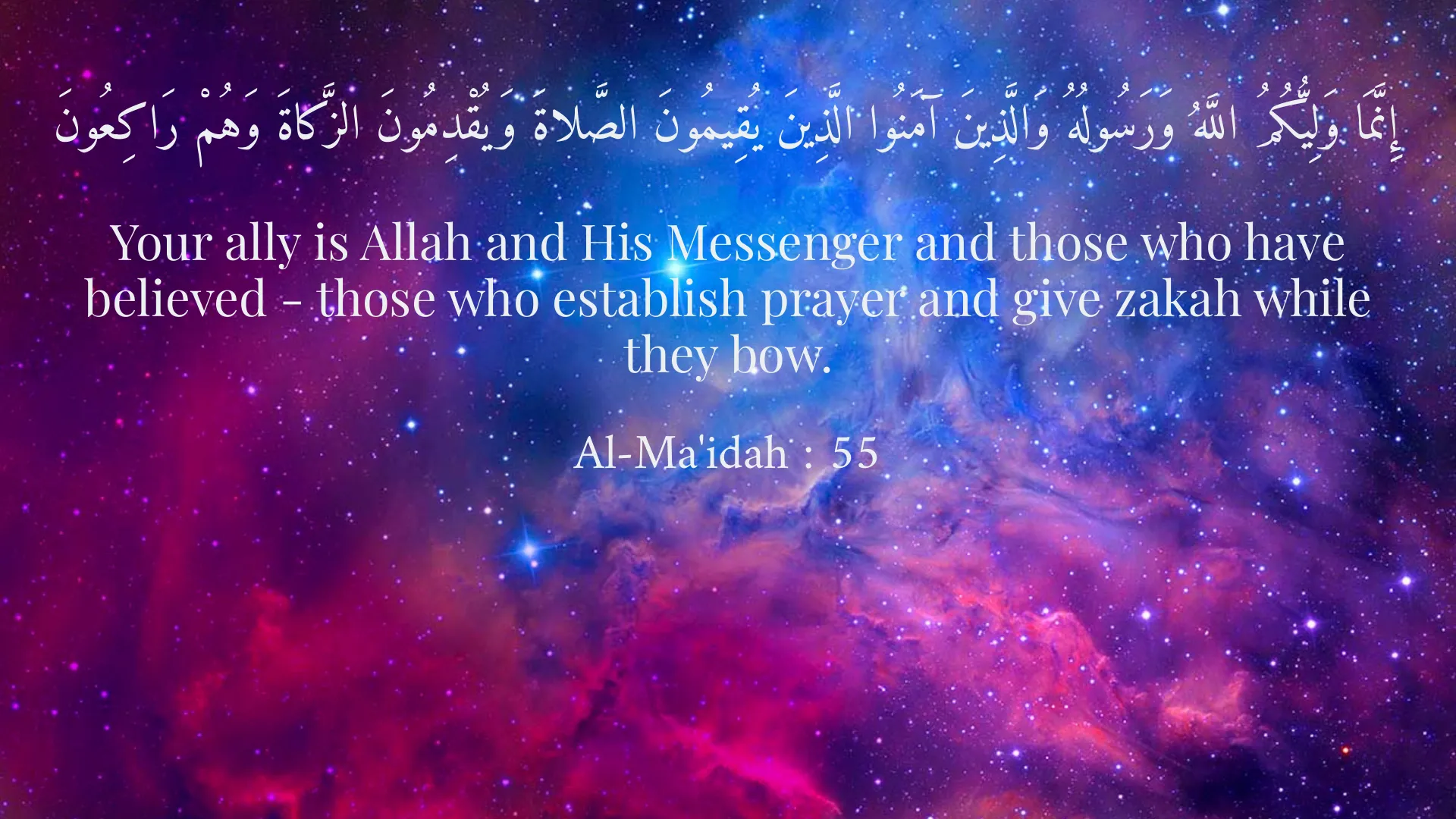
إِنَّمَا وَلِيُّكُمُ اللَّهُ وَرَسُولُهُ وَالَّذِينَ آمَنُوا الَّذِينَ يُقِيمُونَ الصَّلاةَ وَيُقْدِمُونَ الزَّكاةَ وَهُمْ رَاكِعُونَ
Your ally is Allah and His Messenger and those who have believed - those who establish prayer and give zakah while they bow.
Al-Ma'idah : 55
Short Story
One day, a young man named Mahdi decided to strengthen the love for Ahlul Bayt in his heart. He began listening to the stories of Ahlul Bayt and learning the supplications of Imam Hussein (peace be upon him). Mahdi attended mourning ceremonies, and every time he heard the virtues of Ahlul Bayt, he would shed tears and feel more love for them in his heart. Over time, he not only changed himself but also invited others to love Ahlul Bayt.