Quranic Answer
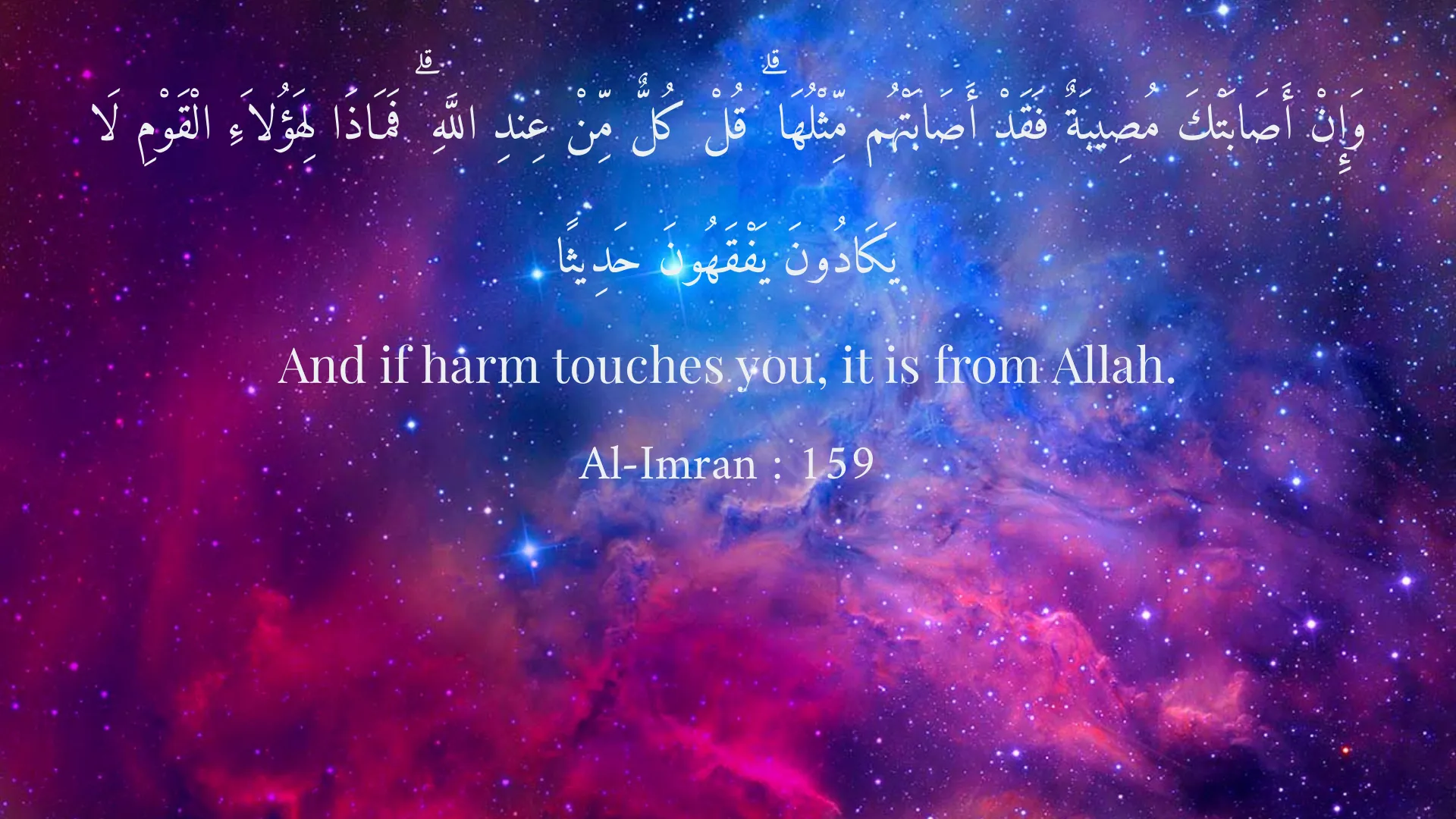
Title: The Significance of Tawakkul and Hope in the Holy Quran Introduction The concepts of reliance on God, or Tawakkul, and hope are fundamental themes embedded within the teachings of the Holy Quran. They resonate deeply with the life and actions of a Muslim, guiding believers on how to navigate the trials and tribulations of life. In a world filled with uncertainty and challenges, understanding the balance between Tawakkul and hope is vital for spiritual and emotional well-being. This article will elaborate on the Quranic perspective of Tawakkul and hope, emphasizing their significance, distinctions, and practical applications in the lives of believers. Understanding Tawakkul Tawakkul is defined as complete trust and dependence on Allah (God). It embodies the belief that Allah is the ultimate provider, sustainer, and protector. The Quran emphasizes the importance of Tawakkul in various verses. Surah Al-Imran, verse 159, mentions, 'And if harm touches you, it is from Allah.' This assertion is a reminder that believers should recognize the omnipotence of Allah in their lives. The concept encourages individuals to face their challenges head-on, embracing the understanding that divine wisdom governs all occurrences. In Surah At-Tawbah, verse 51, Allah further advises, 'Say, never will we be struck except by what Allah has decreed for us.' This verse reinforces the belief that everything that happens to an individual is part of Allah’s divine plan. Hence, Tawakkul teaches us to submit to divine will while actively engaging with the circumstances surrounding us. It does not advocate for passivity; rather, it encourages believers to take proactive steps toward their goals, all while placing trust in Allah’s guidance. The Relationship Between Tawakkul and Action It is vital to realize that Tawakkul does not imply a lack of effort or diligence. On the contrary, Tawakkul complements righteous actions and faith. A common misconception is that reliance on Allah negates the need for hard work or personal responsibility. Conversely, Islamic teachings clearly advocate for a balance between Tawakkul and exertion. A believer is required to exert effort towards their aspirations while simultaneously trusting in Allah’s decree. This principle is encapsulated in a famous narration from the Prophet Muhammad (peace be upon him) when he advised a man to tie his camel and then put his trust in Allah. The implication is crystal clear: one must take the necessary steps toward their goals, and after making an earnest effort, rely on Allah for the outcome. This intricate relationship establishes a framework within which believers can strive for success while maintaining trust in divine wisdom. Exploring Baseless Hope In stark contrast to Tawakkul, one encounters the notion of baseless hope. This condition arises when individuals harbor aspirations without any foundation in reality or action. For instance, a person may wish for a fruitful life or success in their endeavors while neglecting to put in the effort or make the necessary sacrifices. Such hope stands at odds with the true essence of Tawakkul, which is deeply intertwined with righteous actions and a commitment to the principles of faith. Religious scholars and jurists have noted the dangers of baseless hope, often labeling it as misguided and potentially harmful. In the pursuit of personal growth or success, relying solely on vague wishes can lead to disappointment and despair. The Quran and the teachings of the Prophet Muhammad gently remind believers that true hope must be anchored in actions that glorify Allah and obey His commands. One cannot simply wish for a reward without contributing positively towards it. The Quranic Perspective on Hope The Holy Quran does provide numerous verses that invoke the spirit of hope, yet they are always positioned within the framework of faith and action. For instance, in Surah Ash-Sharh, Allah reassures believers that after every hardship, there is ease. However, this ease is often a result of the trials faced with patience and perseverance, not through idle wishing. The Quran advises believers to seek guidance and strength from Allah through prayer, supplication, and righteous deeds. These actions weave a tapestry of hope that is grounded in faith, resilience, and perseverance. When believers genuinely strive to fulfill their duties while maintaining hope in Allah’s mercy, they cultivate an unshakeable foundation that propels them forward amidst trials. The Spiritual Benefits of Tawakkul and Hope Fostering a deep connection with Tawakkul and hope can significantly enhance an individual’s spiritual state. When believers adopt Tawakkul, they cultivate an inner peace and assurance that Allah’s wisdom governs their circumstances. This state of tranquility leads to decreased anxiety and fear, allowing individuals to navigate life’s challenges with grace and optimism. Moreover, the union of Tawakkul and righteous actions solidifies one’s relationship with Allah. It encourages a sense of accountability and responsibility, ensuring that believers remain active participants in their journey of faith. Through engaging in righteous deeds, individuals earn the pleasure of Allah, reinforcing their hope and reliance on Him. Conclusion In conclusion, the concepts of Tawakkul and hope are essential pillars of a believer’s life as depicted in the Quran. Tawakkul calls for a profound trust in Allah, balanced with the need for righteous actions and personal effort. On the other hand, baseless hope lacks the foundation of faith and action, making it a concept to be cautioned against. True hope stems from faith in Allah, guided by the knowledge that striving for goodness and fulfilling divine obligations is the path to achieving one’s aspirations. Ultimately, embracing Tawakkul alongside hope leads to a harmonious existence—one filled with peace, assurance, and a steadfast desire to glorify Allah through righteous deeds.
Related Verses
وَإِنْ أَصَابَتْكَ مُصِيبَةٌ فَقَدْ أَصَابَتْهُم مِّثْلُهَا ۗ قُلْ كُلٌّ مِّنْ عِندِ اللَّهِ ۗ فَمَاذَا لِهَؤُلاَءِ الْقَوْمِ لَا يَكَادُونَ يَفْقَهُونَ حَدِيثًا
And if harm touches you, it is from Allah.
Al-Imran : 159
قل لن يصيبنا إلا ما كتب الله لنا هو مولانا وعلى الله فليتوكل المؤمنون.
Say, 'Never will we be struck except by what Allah has decreed for us.'
At-Tawbah : 51
Short Story
On a rainy day, a young man named Amir decided to take a walk in the park while pondering thoughts of hope and reliance. While walking, he recalled the verse from the Quran: 'Indeed, Allah is with the patient,' reminding him that in his life he should always rely on God, yet not on baseless hope. He decided that with effort and trust in Allah, he would strive to achieve his aspirations.