Quranic Answer
Poverty is a subject that invokes a range of emotions and often generates stigma in various parts of the world. Many perceive being impoverished as a marker of failure, a sign that one has fallen out of favor, or an indication of poor personal choices. However, within the spiritual context of Islam, the Holy Quran presents a different perspective on poverty and hardships, portraying them as tests from Allah rather than indicators of spiritual downfall or divine abandonment. This concept shifts the focus from a negative viewpoint of financial struggles to a more constructive understanding where such experiences become opportunities for growth, reflection, and a deeper relationship with the Divine. One of the significant texts that highlight this idea is found in Surah Al-Baqarah, verse 155: "And We will certainly test you with something of fear and hunger and a loss of wealth and lives and fruits, but give good tidings to the patient." This verse establishes that trials, whether they stem from financial hardship or the loss of loved ones, are integral to the human experience. From an Islamic viewpoint, such tests from Allah serve a meaningful purpose. They are not random acts of cruelty; rather, they are opportunities for personal evolution. In this particular context, hunger and loss of wealth function as instruments through which believers can cultivate patience—a virtue celebrated within the faith. When one experiences financial distress, it can claim not only their material wealth but also their emotional wellbeing, leading to feelings of inadequacy and hopelessness. However, the Quran insists that these struggles can strengthen one’s resilience and fortitude. Patience is a transformative response to adversity. It invites believers to acknowledge their trials as part of the divine scheme, ultimately leading to spiritual elevation and closeness to Allah. Moreover, the reference to financial loss in this verse reminds believers that wealth is transient and can be stripped away at any moment. This acknowledgment encourages an appreciation for what one possesses and promotes a mindset where reliance on Allah becomes paramount. Cling to faith, and trust in Allah’s plan, even when everything feels uncertain. Patience during the storm is not only rewarded in the hereafter but also can lead to unexpected blessings in this world. In another pertinent verse, Surah At-Talaq, verse 7 states: "And let whoever has ability to spend, according to his ability. And whoever is prevented from his provision - then let him spend from what Allah has given him." This verse encapsulates an essential aspect of Islamic lifestyle: charity and generosity. Notably, it emphasizes giving according to one's means and highlights that disability in one's provision should not inhibit them from contributing to the welfare of others. This teaching reinforces the belief that piety and faith can serve as resources that bring forth sustenance and blessings during times of difficulty. When faced with limited resources, instead of falling into despair, believers are encouraged to view their financial state through the lens of generosity. It conveys the message that even those who feel impoverished can still contribute to the needs of others, thereby practicing their faith in action. The notion of giving from one’s limited resources instills hope and solidarity within the community. In times of struggle, those who are financially secure have a responsibility to support their less fortunate brethren. It creates an environment where love, compassion, and mutual aid are cultivated among people. Thus, poverty becomes a source of active engagement rather than passive acceptance. Additionally, the spiritual significance of enduring hardship nurtures a mindset where dependency on Allah becomes vital. In trying times, believers are encouraged to turn toward their faith, seizing the opportunity to deepen their relationship with Allah. The journey through trials can illuminate a path toward understanding and embracing divine mercy. Allah is the ultimate provider and sustainer, and connecting with Him during challenging periods fosters a sense of peace and assurance. As believers traverse moments of poverty, they are reminded that such circumstances do not equate to failure or abandonment from Allah. On the contrary, these trials may be viewed as invitations to enrich one's spiritual life. A most poignant subtext in these teachings is that our worldly loss often serves as a precursor for spiritual gains. Struggles could potentially lead to answers to prayers, realizations of inner strength, and renewed faith. In sum, the perspective offered by the Quran on poverty as a test rather than a symptom of divine neglect is empowering. It reconceptualizes financial hardship not as a punishment, but as an opportunity for spiritual refinement. Believers are encouraged to meet their challenges with patience, generosity, and a deep reliance on Allah. True success is often predicated upon how individuals respond to adversity. By approaching life's difficulties with a mindset grounded in faith, individuals are not merely surviving—they are thriving on a journey that leads them closer to divine mercy and happiness. Ultimately, the Quran does not promise that life will be devoid of challenges or struggles. Instead, it provides a framework for how to navigate these periods with grace and resilience. Allah's endless provisions may not always manifest in material wealth but rather in the richness of faith, the strength to endure, and the grace to find joy in simplicity. Therefore, true wealth lies in the ability to find contentment regardless of one’s external circumstances, fostering a spirit of perseverance that becomes a beacon of hope and inspiration for others as well.
Related Verses
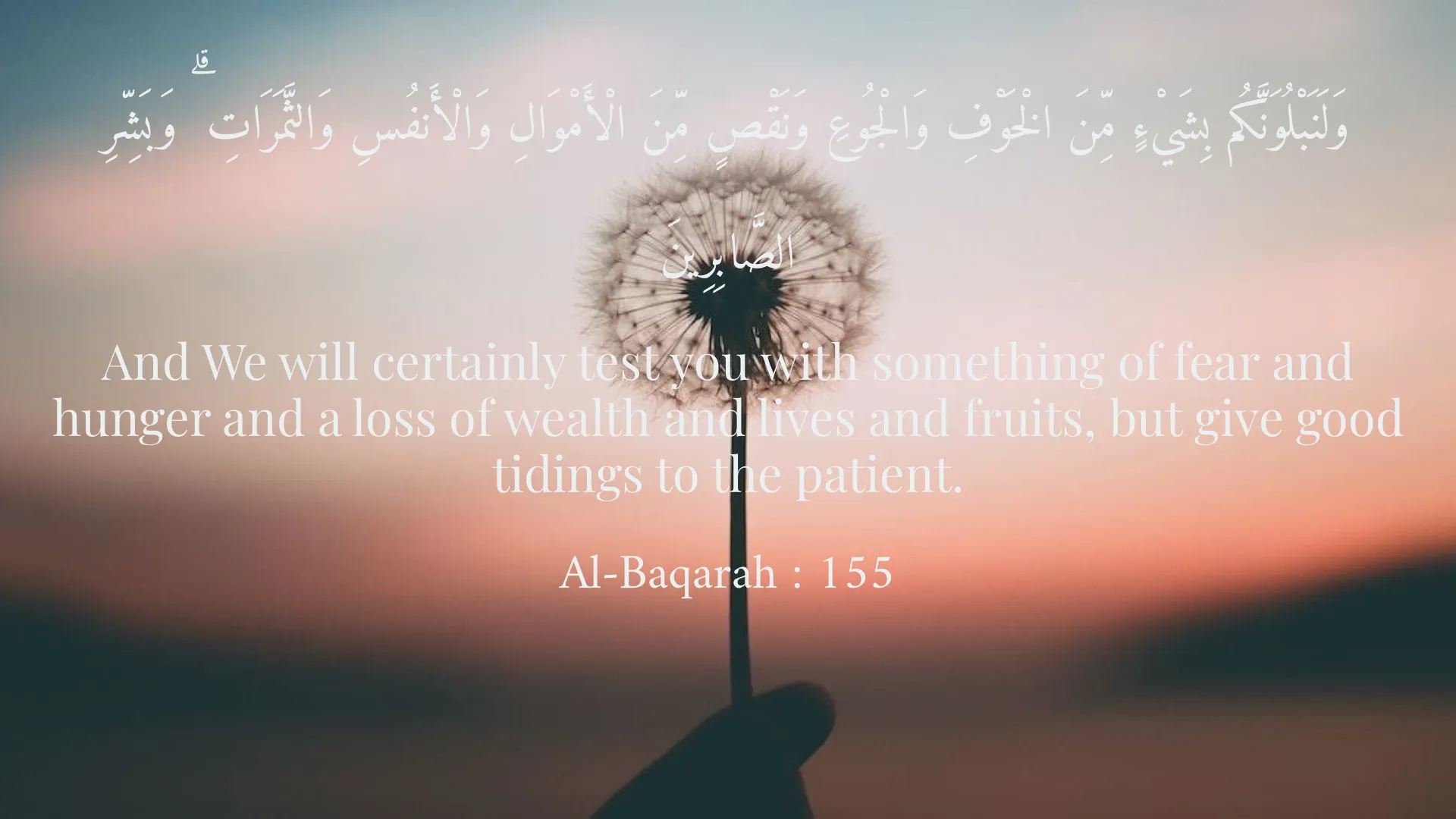
وَلَنَبْلُوَنَّكُم بِشَيْءٍ مِّنَ الْخَوْفِ وَالْجُوعِ وَنَقْصٍ مِّنَ الْأَمْوَالِ وَالْأَنفُسِ وَالثَّمَرَاتِ ۗ وَبَشِّرِ الصَّابِرِينَ
And We will certainly test you with something of fear and hunger and a loss of wealth and lives and fruits, but give good tidings to the patient.
Al-Baqarah : 155
لْيُنْفِقْ ذُو سَعَةٍ مِّن سَعَتِهِ وَمَن قُدِرَ عَلَيْهِ رِزْقُهُ فَلْيُنفِقْ مِمَّا آتَاهُ الله
Let the one with abundance spend from his abundance, and whoever is deprived of abundance - let him spend from what Allah has given him.
At-Talaq : 7
Short Story
One day, a poor man approached a mystic and asked, "Why am I so broke while others are in abundance?" The mystic smiled and said, "My friend, sometimes Allah tests us with poverty to see our faith and patience. Perhaps within the heart of poverty lies more spiritual gold that you need to discover." The man pondered and realized that true abundance lies not just in material wealth, but in his spirit and faith.