Quranic Answer
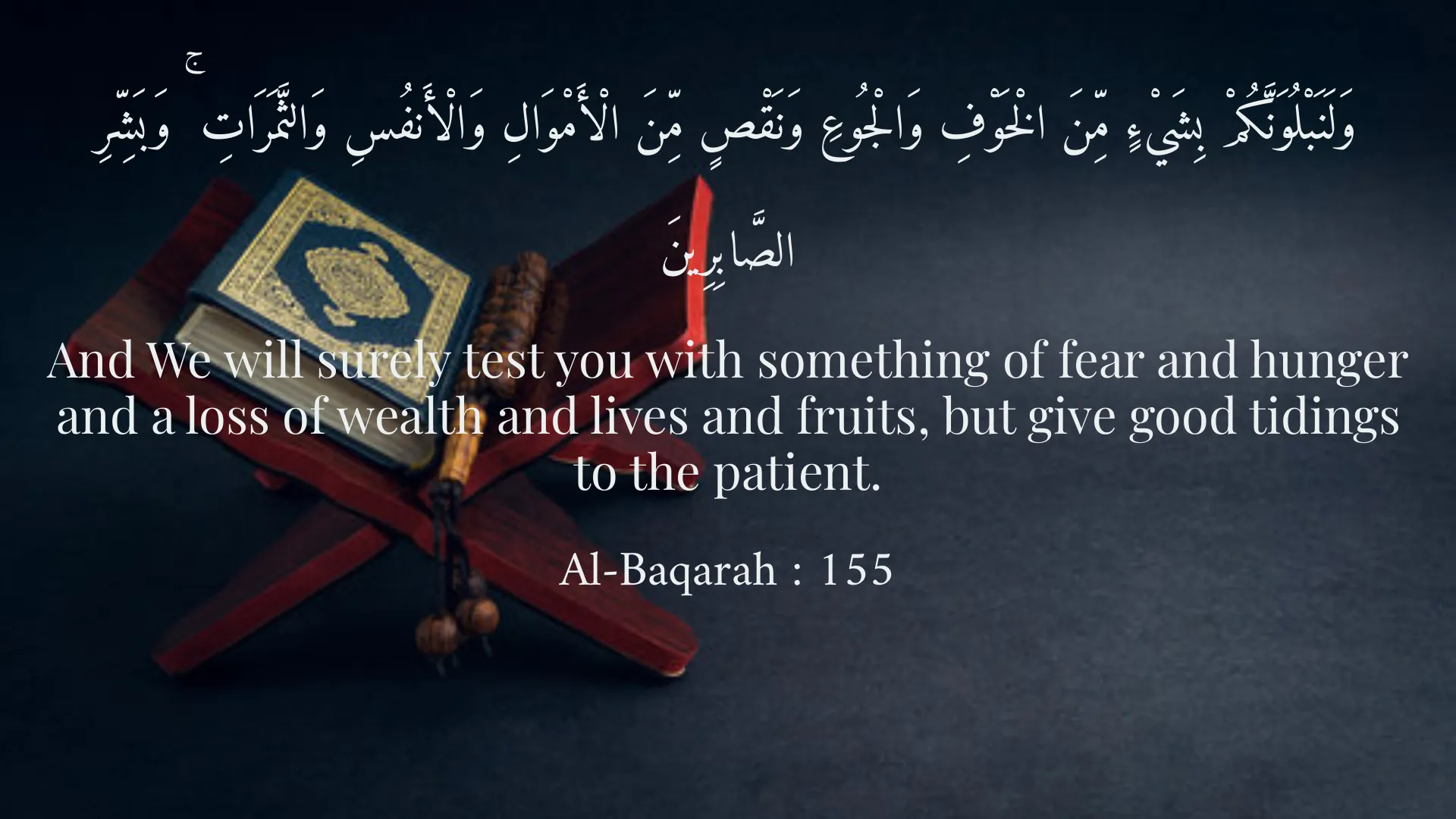
The Holy Quran speaks profoundly about the theme of trials and hardships, indicating the necessity of testing in human life. It emphasizes that such challenges are not simply random occurrences, but rather, part of a divine plan that serves several important functions in spiritual development. In Surah Al-Baqarah, verse 155, Allah says, "And We will surely test you with something of fear and hunger and a loss of wealth and lives and fruits, but give good tidings to the patient." This statement encapsulates the essence of life's challenges—fear, hunger, loss of wealth, and even the death of loved ones are all tests that every believer may endure. The verse concludes with a powerful reminder; those who remain patient amidst their trials will receive good tidings. This not only serves as a comforting promise but also as a motivator for believers to cultivate resilience and patience in the face of adversity. The importance of enduring hardships is also highlighted in Surah Al-Anfal, verse 28, where Allah reminds humanity that possessions and children are tests from Him. The verse states, "And know that your properties and your children are but a trial, and that Allah has with Him a great reward." In a materialistic society, individuals often prioritize wealth and familial ties as ultimate goals, losing sight of their purpose in the process. This verse serves as a sobering reminder that even the things we hold dear can be seen as tests that could potentially divert us from our spiritual path if we become too attached to them. Trials and tribulations in life are inevitable; they manifest in various forms: economic struggles, health issues, relationship conflicts, or even the loss of loved ones. Each of these experiences serves a dual purpose: while they can feel punitive and unbearable at times, they also represent opportunities for profound self-reflection and growth. They challenge us to dig deep within ourselves, confront our weaknesses, and emerge stronger. Therefore, difficulties are not merely obstacles but rather stepping stones toward achieving a deeper understanding of ourselves and our faith. Many scholars of Islamic theology point out that the experience of trials is a necessary aspect of faith. These hardships compel believers to turn to Allah, seek His guidance, and rejuvenate their sense of devotion. The trials and tribulations in life sharpen our focus on spiritual commitments, reminding us to place our trust in Allah's wisdom and timing. The narrative that emerges from the challenges allows for personal narratives to develop—stories of patience, faith, and ultimate success through reliance on divine support. Furthermore, the Quran also cautions against the allure of complacency. Surah Al-Baqarah encourages believers to view their earthly trials as temporary limitations that should not deter their spiritual aspirations. The understanding that life itself is filled with tests fosters an attitude of acceptance and submission to Allah's will, thereby alleviating feelings of frustration and despair during difficult times. This transcendent perspective encourages individuals to remain steadfast and focus on the rewards that await them in the hereafter, thereby providing a broader context to the trials they face. In a world increasingly characterized by rapid changes, uncertainty, and complexity, the teachings from the Holy Quran regarding trials and hardship resonate with profound relevance. The modern human experience is often fraught with challenges—economic downturns, social injustices, and personal crises are prevalent in everyday life. Understanding that these challenges are tests can help individuals equip themselves with the right mindset for handling adversity. Taking inspiration from the teachings of the Quran, believers are encouraged to foster an awareness of patience and to engage in regular acts of gratitude and prayer. A routine practice of mindfulness can help to positively reframe their perceptions of adversity, transforming seemingly negative experiences into opportunities for growth, learning, and spiritual elevation. By maintaining a connection with their faith during trying times, believers might find solace, guidance, and purpose. Moreover, it is essential to recognize that the concept of trials extends beyond personal struggles. Societal issues, collective challenges, or communal adversities are profoundly woven into the fabric of our shared human experience. Muslims are called upon not only to navigate their own hardships but to also extend support to others in their trials. This collective responsibility fosters community cohesion and nurtures compassion, as individuals unite in their journey through trials. Charity and kindness during difficult times are highly praised in Islam, underscoring the interconnectedness of the human experience. Helping others through their trials can alleviate one’s own hardship while cultivating a sense of solidarity within the community. This reciprocal support reinforces the idea that life's trials may not only be personal but can serve as collective experiences that can strengthen community bonds and enrich future generations. In conclusion, struggles and trials are fundamental components of the human experience that serve intricate purposes in spiritual evolution. The verses stated in the Quran highlight how Allah intricately weaves difficulties into the lives of believers in order to strengthen their faith, cultivate patience, and foster resilience. Each hardship is an invitation to explore deeper dimensions of purpose, as believers are reassured that patience will be rewarded. By understanding life's tests as opportunities for character growth, individuals can navigate their hardships with grace, leading to transformative experiences that may ultimately bring them closer to Allah. This perspective not only assuages personal anxiety but encourages a holistic view of life where every challenge can be embraced as a vital part of one's spiritual journey.
Related Verses
وَلَنَبْلُوَنَّكُمْ بِشَيْءٍ مِّنَ الْخَوْفِ وَالْجُوعِ وَنَقْصٍ مِّنَ الْأَمْوَالِ وَالْأَنفُسِ وَالثَّمَرَاتِ ۚ وَبَشِّرِ الصَّابِرِينَ
And We will surely test you with something of fear and hunger and a loss of wealth and lives and fruits, but give good tidings to the patient.
Al-Baqarah : 155
وَاعْلَمُوا أَنَّمَا أَمْوَالُكُمْ وَأَوْلَادُكُمْ فِتْنَةٌ ۖ وَأَنَّ اللَّهَ عِندَهُ أَجْرٌ عَظِيمٌ
And know that your properties and your children are but a trial, and that Allah has with Him a great reward.
Al-Anfal : 28
Short Story
One day, a man named Hasan faced challenges in his life. He recalled the verses of the Quran and viewed all the hardships he was enduring as opportunities for testing himself. Hasan decided to be patient in the face of difficulties and to stand firmly beside them with faith. After much effort and hardship, he found peace and success, realizing that the hardships were indeed signs of his growth.