Quranic Answer
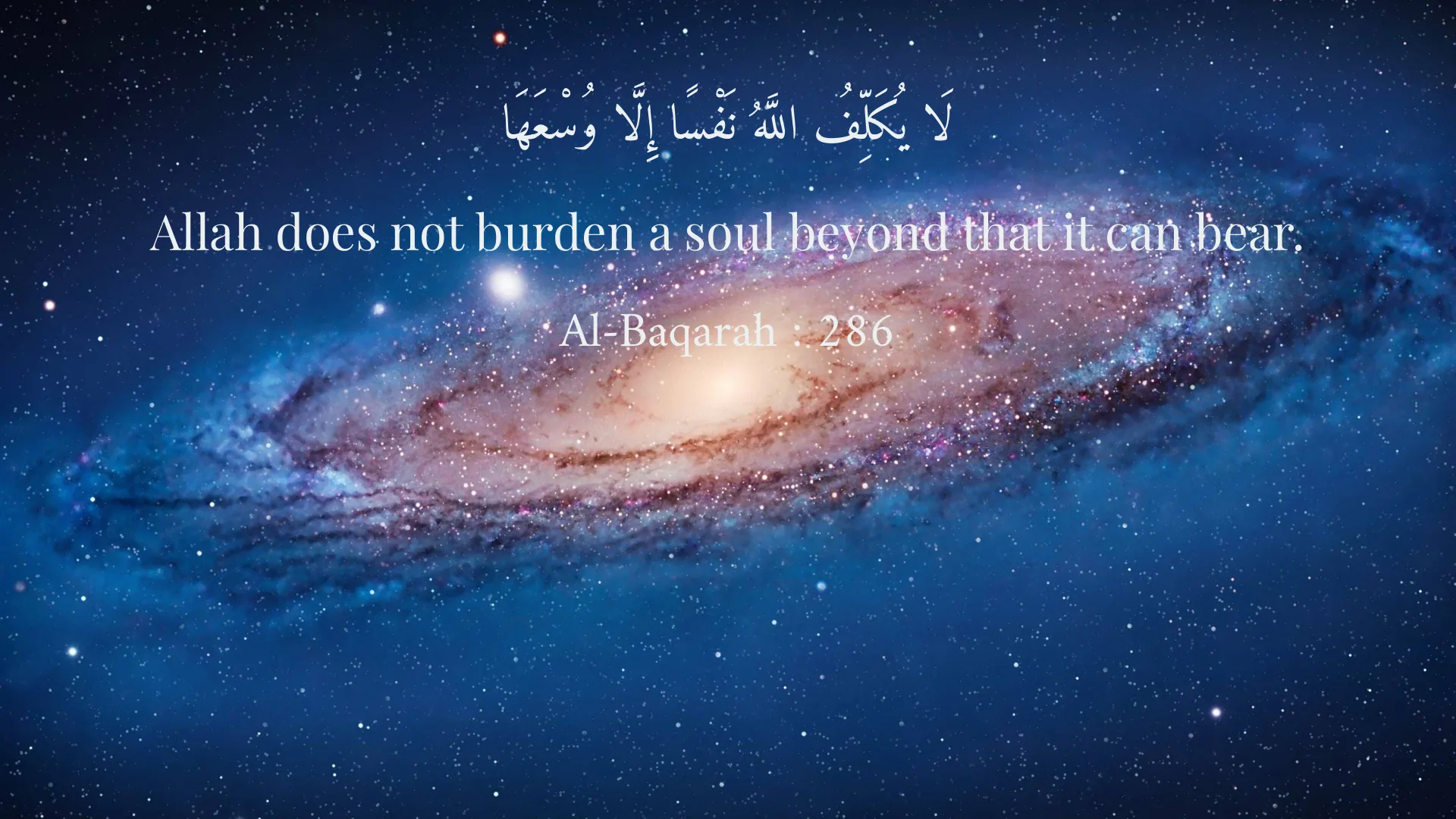
In the Holy Quran, worship is not merely an act of devotion but a comprehensive framework through which individuals establish a profound connection with Allah. Among the numerous facets of worship highlighted in Islamic teachings, two fundamental aspects stand out: the importance of worship and the role of patience within it. Allah places significant emphasis on these elements throughout the Quran, illustrating their critical nature in the journey of faith. A common misconception is that experiencing fatigue in worship signifies weak faith; however, the Quran provides a more nuanced understanding of this issue. In fact, the Quran suggests that fatigue in worship can be interpreted as a testament to an individual's unwavering commitment and devotion to God. This article explores the nuanced relationship between worship, fatigue, and faith, illustrating how these elements intertwine to deepen a believer's connection with Allah. Surah Al-Baqarah, verse 286 succinctly encapsulates this idea, stating: 'Allah does not burden a soul beyond that it can bear.' This powerful verse conveys a vital message about divine wisdom and justice. It acknowledges the inherent challenges individuals may face while engaging in acts of worship, including fatigue and exhaustion. More importantly, it reassures believers that these challenges are tailored according to their individual capacities. Instead of viewing fatigue as a detrimental aspect of worship, it can be seen as a part of the spiritual journey designed to test and ultimately strengthen one's faith. As individuals strive to develop their spirituality through worship, they often encounter moments of hardship and fatigue. These challenges can arise from various factors: the demand for daily prayers, recitation of the Quran, fasting during Ramadan, and engaging in acts of charity, to name a few. All these acts require substantial commitment and can result in fatigue. Yet, this fatigue should not be equated with fragility in faith. Instead, it represents the struggle against worldly distractions and the effort directed towards attaining closeness to Allah. Moreover, Surah Al-Ankabut, verse 69 states: 'And those who strive for Us, We will surely guide them to Our ways.' This verse highlights the necessity of effort in the path of faith. The phrase 'those who strive' indicates that exertion is an essential component of worship. The rigorous pursuit of spiritual growth often leads to fatigue, which, paradoxically, is a necessary part of the divine reward system. When believers encounter fatigue in worship but persevere, they display resilience and determination in their faith journey. As articulated in this verse, Allah promises guidance as a reward for such efforts. This underscores the notion that spiritual diligence can pave the way for divine assistance and enlightenment. Importantly, the experience of fatigue in worship can vary across individuals. Each believer's journey is unique, marked by varying levels of enthusiasm, struggle, and commitment. Factors such as personal circumstances, spiritual maturity, and social support systems play a crucial role in shaping one's worship experience. It is vital for individuals to recognize these differences and avoid comparing their spiritual journeys with those of others. Instead, believers are encouraged to focus on their relationship with Allah, viewing fatigue as part of their personal growth and not as a measurement of faith. Furthermore, the teachings of the Quran encourage believers to cultivate a positive mindset when facing fatigue in worship. Instead of succumbing to despair, individuals are urged to find solace in the understanding that their worship serves a higher purpose. It is an opportunity to connect with the Divine, cleanse their souls, and strengthen their resolve. Embracing worship as a meaningful journey fosters resilience and helps individuals regain their focus and energy. Worship, in its essence, is transformative. It offers individuals the chance to renew their purpose and obtain a deeper understanding of their existence and relationship with Allah. In the face of fatigue, believers are reminded that their struggles are not in vain; they are steps taken toward spiritual elevation and closeness to God. This perspective fosters a healthier view of worship, establishing it as a pathway laden with challenges yet rich with rewards. In communal settings, the shared experience of fatigue in worship can further enhance the bond among believers. When individuals come together to pray, attend sermons, or participate in group acts of charity, they reinforce a collective spirit of worship that helps mitigate the fatigue felt by any one member. The understanding that others are pursuing similar spiritual goals can serve as motivation, creating a supportive environment where members uplift each other through shared experiences. Building a community around worship reinforces the idea that collective struggles can lead to collective growth. In conclusion, the relationship between worship, fatigue, and faith is intricate and deeply meaningful within the Islamic tradition. The Quran emphasizes that fatigue in worship should not be misconstrued as a sign of weak faith, but rather as an expression of effort and dedication toward seeking closeness to Allah. The verses of Surah Al-Baqarah and Surah Al-Ankabut provide reassurance regarding the trials of worship, underscoring a divine purpose behind them. Each individual's experience of fatigue will differ, shaped by personal circumstances, but it is essential to view it as an integral aspect of the spiritual journey. Ultimately, the fatigue encountered in worship can cultivate resilience, foster communal bonds, and serve as a catalyst for spiritual growth, guiding believers toward the ultimate reward of divine guidance and connection with God.
Related Verses
لَا يُكَلِّفُ اللَّهُ نَفْسًا إِلَّا وُسْعَهَا
Allah does not burden a soul beyond that it can bear.
Al-Baqarah : 286
وَالَّذِينَ جَاهَدُوا فِينَا لَنَهْدِيَنَّهُمْ سُبُلَنَا
And those who strive for Us, We will surely guide them to Our ways.
Al-Ankabut : 69
Short Story
One day, a man was engaged in worship and prayer, but after a while, he felt fatigue. He worried that perhaps his faith had weakened. Suddenly, a verse from the Quran came to his mind that said: 'Allah does not burden a soul beyond what it can bear.' This verse reminded him that fatigue is natural and should not be seen as a sign of weak faith. With renewed motivation, he continued his worship.