Quranic Answer
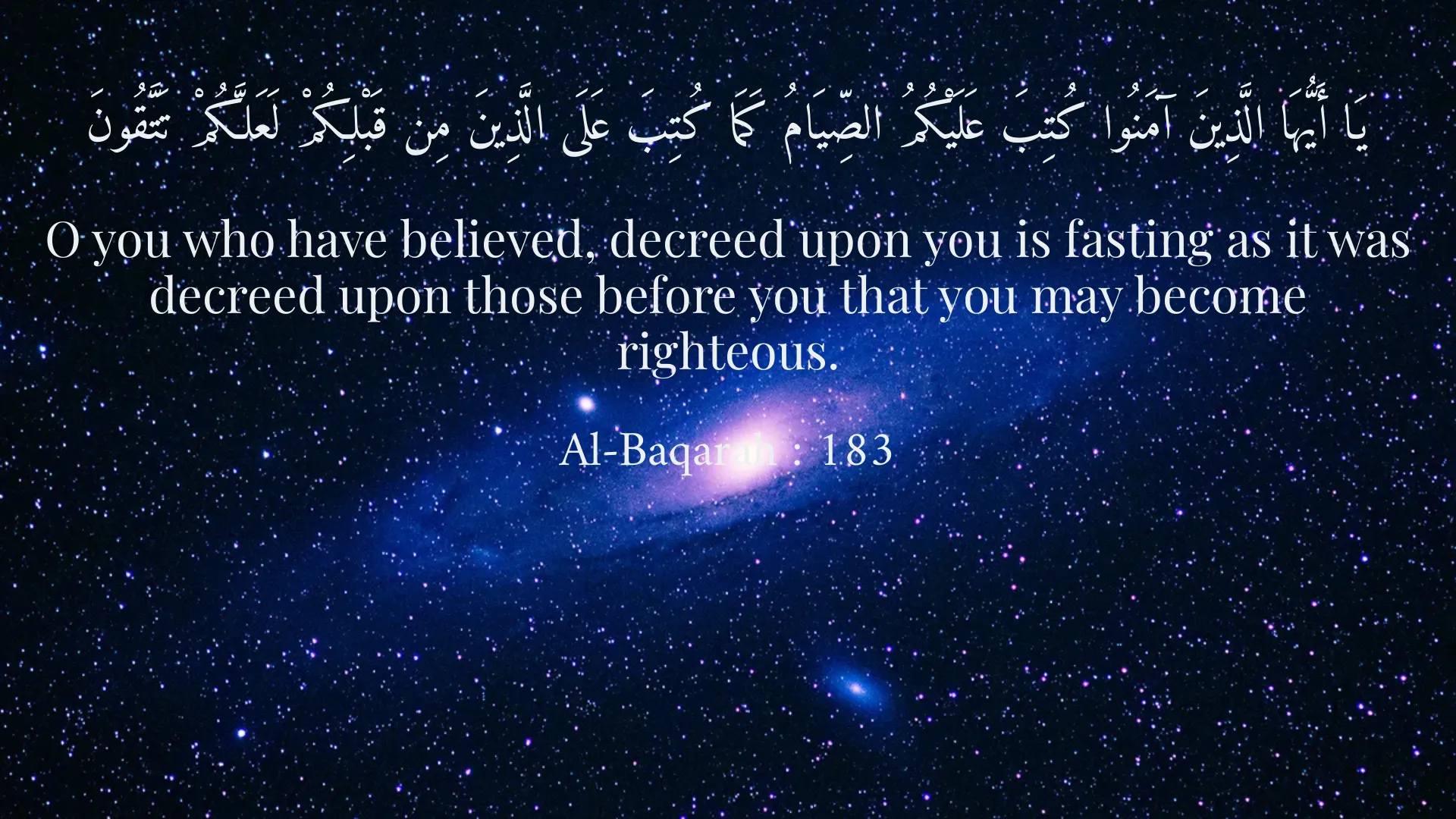
Fear of God is often misunderstood in contemporary discourse. Many individuals view it as an indication of weakness or a lack of courage. However, this perception could not be further from the truth. Instead, the fear of God symbolizes a profound humility and a celebration of the greatness of the human spirit. An exploration of religious texts, particularly the Holy Quran, reveals this important distinction. In chapter 2, verse 183 of the Quran, Allah issues a profound decree: 'O who you have believed, decreed upon you is fasting as it was decreed upon those before you that you may become righteous.' This verse provides critical insight into the relationship between fearing God and attaining righteousness. The act of fasting is not merely a ritual; it serves as a means for individuals to cultivate mindfulness of God's omnipotence and majesty. This awareness is essential for personal development and spiritual growth. The fear of God is described in Islamic teachings not as paralyzing terror but as a motivating force that propels individuals toward piety. It cultivates a consciousness that steers believers away from sin and toward an exemplary path of righteousness. It is a state of mind that brings the believer closer to God and compels individuals to assess their actions and intentions with sincerity and earnestness. It fosters a sense of accountability that aligns closely with an awareness of divine judgment. In Surah Al-Imran, verse 175, Allah states, 'So do not grieve for what has escaped you and do not rejoice in what He has given you.' This verse emphasizes the importance of placing trust in God while embodying a sense of humility. The fear of God should drive one to seek assistance through prayer, reflection, and sincere repentance. Fearing God, therefore, is an essential aspect of a believer's character that leads one back to the truth. It compels a person to acknowledge their transgressions, seek forgiveness, and take positive steps toward rectifying their misdeeds. Ultimately, this form of fear positions the individual on a path of spiritual awakening, leading them toward personal perfection and moral integrity. Moreover, the fear of God is intricately linked to consciousness of the Day of Judgment. This concept of accountability urges believers to reflect on their actions, instilling a genuine desire to amend their soul's trajectory. In this light, the fear of God becomes a catalyst for self-improvement and ethical transformation. It is this understanding that underlines the necessity of faith; it is not simply an abstract concept but a driving force that can lead humans toward meaningful lives. Fear of God, therefore, encapsulates a blend of reverence, love, and humility that enriches the believer's spiritual journey. It opens a dialogue within the soul, prompting introspection that is both necessary and transformative. Recognizing God's power should inspire believers to live with intention and purpose, ensuring they tread the path of righteousness while avoiding actions that may lead them astray. This fear is not simply about avoiding punishment; it is about fostering a relationship with the divine that is rooted in respect and love. It acknowledges that God, in His wisdom, guides humanity toward a more virtuous way of living. The fear of God manifests in actions that promote compassion, justice, and understanding among individuals and communities. It inspires believers to uplift one another, creating harmony and fostering a communal spirit of care and concern, essential qualities in a society that often faces division and strife. In addition, the fear of God should encourage one to act ethically, fostering a sense of morality that transcends societal norms. A believer who fears God will strive for excellence in their actions, always aware that their deeds are observed. This awareness creates a framework of accountability not only to God but also to the community around them. Within this context, fear of God serves as a deterrent against wrongdoing, a source of motivation for good deeds, and a reminder of the importance of living a life aligned with spiritual principles. Furthermore, it is crucial to understand that the fear of God is not an isolated emotion but is often matched with hope and love. It is this trio of emotions that moves believers to seek deeper understanding and fulfill their spiritual obligations with joy and eagerness. As fears instigate action, love provides the strength and hope necessary to carry forth those actions steadfastly and righteously. Notably, various scholars and spiritual leaders have echoed similar sentiments regarding the fear of God as a precursor to wisdom. Proverbs 1:7 states, 'The fear of the Lord is the beginning of knowledge; fools despise wisdom and instruction.' This biblical perspective aligns closely with the Quranic verses that emphasize the vital role of humility and reverence in gaining true understanding and insight. Knowledge gained through humility ultimately leads to enlightenment, which serves the person and society positively. In conclusion, the fear of God embodies a complex, yet essential, aspect of believers’ lives, emphasizing humility, accountability, and a quest for righteousness. The insights derived from the Holy Quran illuminate the profound significance of this fear in guiding individuals toward lives marked by virtue and integrity. By embracing the fear of God, individuals will be empowered to engage in self-reflection, enabling a sense of personal perfection and spiritual elevation. As each person cultivates this fear, they contribute to a broader culture of compassion, forgiveness, and understanding—a necessary foundation for peaceful coexistence. Thus, let it be known that the fear of God is not a sign of weakness, but rather a strength that nurtures the greatness of the human spirit.
Related Verses
يَا أَيُّهَا الَّذِينَ آمَنُوا كُتِبَ عَلَيْكُمُ الصِّيَامُ كَمَا كُتِبَ عَلَى الَّذِينَ مِن قَبْلِكُمْ لَعَلَّكُمْ تَتَّقُونَ
O you who have believed, decreed upon you is fasting as it was decreed upon those before you that you may become righteous.
Al-Baqarah : 183
فَلَا تَحْزَنْا مِمَّا فَاتَكُمْ وَلَا تَفْرَحُوا بِمَا آتَاكُمْ
So do not grieve for what has escaped you and do not rejoice in what He has given you.
Al-Imran : 175
Short Story
One night, a man sat on a mountain, reflecting on the divine throne. Out of fear of God and His greatness, he shed tears while pondering his future. Suddenly, he heard a voice from afar: 'Fear Me and hold My love in your heart.' He understood that fearing God was a sign of love and faith that he must always keep alive.