Quranic Answer
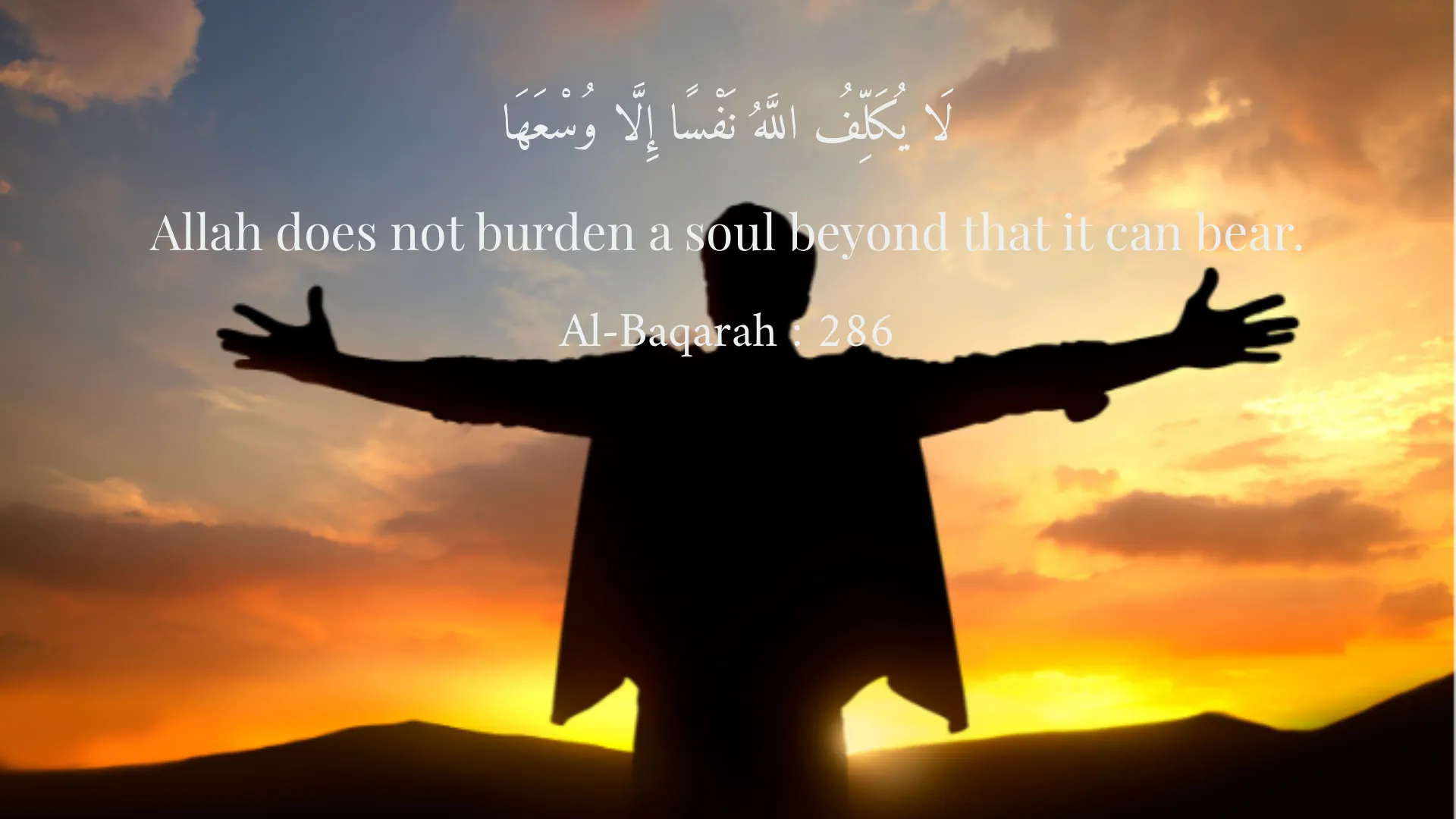
The Holy Quran is a profound source of guidance and wisdom, offering insights into the nature of God’s care and oversight of His creations. Within its verses, the Quran illustrates a divine relationship between God and humanity, one that is characterized by compassion, support, and understanding. This article will delve into several key verses from the Quran that reinforce the idea of God's unwavering vigilance and nurturing presence in the lives of His servants. By examining quotes, interpretations, and reflections on these verses, we can deepen our understanding of how God's care manifests in our everyday lives, as well as the intrinsic lessons that we can derive from them. One of the most impactful verses concerning God’s care for His people can be found in Surah Al-Baqarah, verse 286, where it states: 'Allah does not burden a soul beyond that it can bear.' This profound verse serves as a reminder of God’s intimate understanding of our individual capacities and struggles. It indicates that our trials and tribulations are not arbitrary; rather, they are tailored to fit our strength and resilience. In this way, God demonstrates His care by recognizing the limits of each individual's endurance. When faced with difficulties, believers can find solace in the knowledge that God equips them with the fortitude needed to overcome challenges. This reassurance emphasizes the importance of maintaining faith during trying times, as our burdens are not insurmountable. Furthermore, in Surah Al-Imran, verse 61, we find an extraordinary invitation from God, encouraging His worshippers to embody patience and faithfulness: 'Indeed, Allah is with the patient.' The essence of this verse revolves around the concept of companionship during hardship. The promise that God is alongside those who exhibit patience highlights a nurturing aspect of divine care. In moments of despair or uncertainty, this assurance can be a significant source of strength for individuals. The call to patience entails not merely enduring stress but exhibiting grace and resilience in the face of adversity. Cultivating a patient heart can lead to a deeper connection with God, reinforcing the notion that divine support is always within reach. In addition to patience, the Quran reiterates the theme of divine oversight in the form of self-reflection and mindfulness. Surah Al-Mu’minun, verse 35 poses a philosophical question: 'Were they created from nothing, or are they the creators?' This verse compels individuals to contemplate their existence and the divine origin of their lives. Such reflections encourage believers to remain humble and cognizant of a greater power overseeing the intricacies of their lives. God's ultimate awareness is a comfort and serves as a reminder that His involvement in our lives is ever-present, guiding us to recognize our purpose and fundamental humanity. Moreover, the Quran does not limit God’s awareness to merely observing human actions; it emphasizes that God is intimately aware of our thoughts and innermost feelings. In Surah Al-Baqarah, verse 177, the function of faith is elaborated: 'Righteousness is not that you turn your faces toward the east or the west, but [true] righteousness is in one who believes in Allah, the Last Day, the Angels, the Book, and the Prophets...' This verse indicates that righteousness stems from within, grounded in faith and justice, and that God’s watchful eye discerns the sincerity of our hearts more than our physical deeds. The encouragement to align inward faith with outward actions underscores God's comprehensive care; He is not only aware of what we do but also of why we do it. Including God in our daily lives and understanding His care invites a transformative approach to how we approach life's trials. The Quran assures us that this divine companionship extends through every moment of hardship. For example, in Surah Al-Anfal, verse 30, it is stated: 'And [remember] when they planned against you to restrain you or to kill you or to expel you. And they planned, but Allah planned. And Allah is the best of planners.' This verse encapsulates the idea that even when faced with opposition, God’s purpose prevails. Understanding this divine perspective empowers believers to trust in God’s wisdom and timing, rendering them resilient against life’s adversities. Furthermore, God's care is evident in the blessings that flow into the lives of His servants. Surah Al-Nahl, verse 18 beautifully illustrates this: 'And if you count the favors of Allah, you will not be able to number them.' This verse acts as a gentle reminder of gratitude and mindfulness. Recognizing the countless blessings received fosters a sense of appreciation and humility towards God. The more we express gratitude, the more attuned we become to God’s continuous presence in our lives. Consequently, the realization of these blessings can mitigate negative thoughts and frustrations, reinforcing a positive mindset through admiration for divine grace. In conclusion, the Quran serves as a timeless source of guidance elucidating the depth of God’s oversight and care for humanity. The verses discussed in this article reveal that God is ever-watchful, providing us with support, patience, understanding, and innumerable blessings throughout our lives. Embracing the principles of patience, self-reflection, and gratitude can foster a stronger spiritual connection with God. This, in turn, can help individuals navigate the hardships of life more effectively, knowing that they are never alone in their struggles. As we move forward, let us remember the comforting presence of God in our lives and strive to embody the virtues highlighted within the Quran, ultimately deepening our faith and resilience.
Related Verses
لَا يُكَلِّفُ اللَّهُ نَفْسًا إِلَّا وُسْعَهَا
Allah does not burden a soul beyond that it can bear.
Al-Baqarah : 286
وَإِنَّ اللَّهَ مَعَ الصَّابِرِينَ
Indeed, Allah is with the patient.
Al-Imran : 61
أَمْ خُلِقُوا مِنْ غَيْرِ شَيْءٍ أَمْ هُمْ الْخَالِقُونَ
Were they created from nothing, or are they the creators?
Al-Mu’minun : 35
Short Story
I have a story about Adel, who was seeking peace and reassurance in life. He realized that alongside his daily efforts, relying on God and seeking His guidance brought him greater peace. As he began to pray and read the verses of the Quran, he found more tranquility and confidence. Adel concluded that God was always beside him, which gave him strength and hope.