Quranic Answer
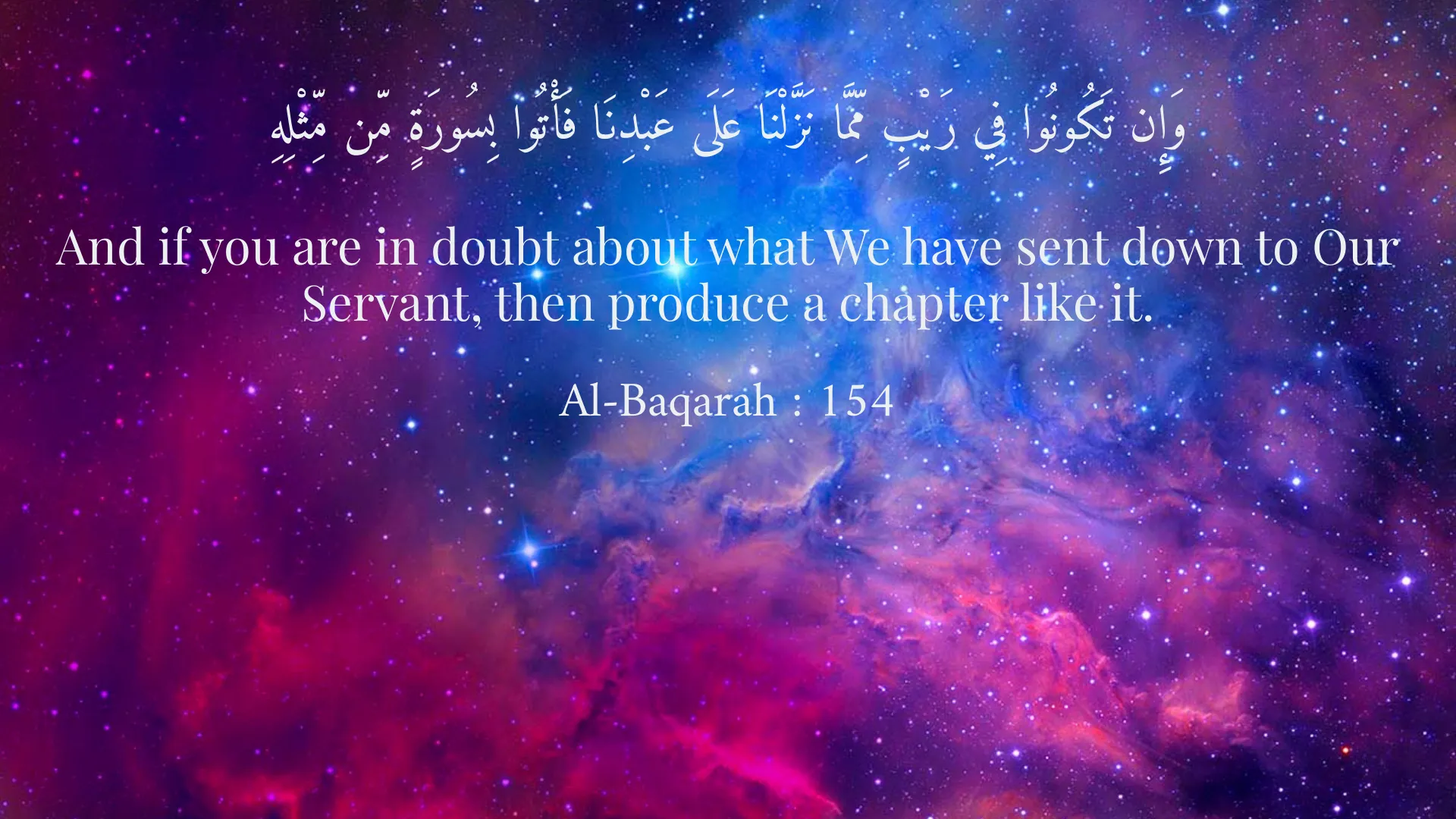
The Quran is not only a holy scripture but a profound discourse on the nature of existence, the essence of humanity, and the omnipresence of divine knowledge. A significant theme that runs through the verses of the Quran is the awareness of God regarding human thoughts and intentions. This awareness is not limited to the observable actions of individuals but extends to the thoughts that never transcend the barriers of the mind. Such consciousness is a reminder for believers about their responsibilities in terms of ethics and morality in their daily lives. In Surah Al-Baqarah, verse 154, it states: "And if you are in doubt about what We have sent down to Our Servant, then produce a chapter like it." This verse raises an explanatory challenge to humanity, inviting those who doubt the divine nature of its message to produce something similarly profound. More critically, it highlights God's omniscient quality of understanding human intentions behind their doubts. This is a powerful reminder that God observes not only the outward manifestations of behavior but also comprehensively understands the motivations that drive those behaviors. The implications of this verse extend beyond a mere contest of literary prowess; they stress the point that God is aware of human hearts and the hidden motivations guiding their actions. The ability to critically reflect on one’s sincerity is an essential sentiment encouraged in Islamic teachings, as it fosters a deeper connection with the divine. If God scrutinizes efforts and intentions, believers must engage in self-reflection to ensure their actions align with their spiritual purposes. Moreover, in Surah Al-Imran, verse 16, the narration states: "Indeed, the believers are those who, when the name of Allah is mentioned, their hearts tremble." This reveals a deep intrinsic relationship between belief and emotional response. It communicates that the mere mention of God's name invigorates a stirring within the hearts of believers, engendering an acute awareness of His presence. This internal upheaval signifies the authenticity of their faith; it reveals an innate sensitivity to God’s awareness that acts as a motivational force in their lives. The trembling of hearts is no ordinary response but an embodiment of profound recognition and mindfulness of the divine sovereignty. It signifies that believers are fully aware that their inner thoughts and feelings are known to God, pushing them to remain steadfast and sincere in their intentions. The verse further enhances the understanding that faith is not a stagnant state; it is an active journey of striving towards awareness and righteousness. Furthermore, in Surah Qaf, verse 16, it is stated: "And We have certainly created man and We know what his soul whispers to him." This profound excerpt serves as a significant declaration of God’s intricate knowledge of the human condition. It emphasizes the notion that every human possesses an internal dialogue — conversations with oneself that are often inaudible to others. However, nothing is concealed from divine scrutiny. The metaphor of the soul whispering underscores the intimate nature of God’s awareness, as if to say that the essence of human thoughts is transparent before Him. This verse removes any pretense of privacy when it comes to human contemplation. It urges individuals to be mindful of their thoughts, as even the most clandestine reflections are fully grasped by God. In a world where hypocrisy can often weave through the fabric of human relationships, this awareness becomes a potent tool against disingenuousness. Thus, it incentivizes authenticity and inspires individuals to forge a deeper connection with their Creator through sincerity in thought and action. The cumulative message of these verses is a resounding call to mindfulness and integrity. Muslims are continually urged to remain cognizant of their thoughts, intentions, and actions, as God’s awareness serves as a constant reminder of the divine presence that observes every act and contemplation. This intrinsic understanding serves as a moral compass, redirecting believers towards righteousness and ethical behavior. The Quran is salient in reiterating that a pious life encompasses not only correct actions but also pure and sincere intentions. In a practical context, this awareness requires Muslims to engage in self-reflection and strive for self-improvement. Regular self-assessment enables believers to grow spiritually, ensuring the alignment of their internal and external lives. One way to embody this awareness is through the practice of regular prayer and recitation of the Quran, which fosters an ongoing dialogue with God. In such moments, believers can seek forgiveness, request guidance, and renew their intentions, thereby reinforcing their connection with the divine. In conclusion, the awareness of God regarding human thoughts and intentions is a prominent theme in the Quran that serves as a foundation for a believer's ethical and spiritual journey. The verses examined — Surah Al-Baqarah, Surah Al-Imran, and Surah Qaf — collectively emphasize the importance of mindfulness, sincerity, and reflective consciousness in the lives of Muslims. Understanding that God is aware of every thought not only cultivates fear of transgression but also instills hope for redemption through sincere repentance. By internalizing this profound truth, believers can navigate their interactions and relationships in a manner that leads to greater ethical integrity and devotion to God. Ultimately, this divine awareness offers a guiding light, reminding humanity to strive for excellence in both intent and action in their spiritual endeavors.
Related Verses
وَإِن تَكُونُوا فِي رَيْبٍ مِّمَّا نَزَّلْنَا عَلَى عَبْدِنَا فَأْتُوا بِسُورَةٍ مِّن مِّثْلِهِ
And if you are in doubt about what We have sent down to Our Servant, then produce a chapter like it.
Al-Baqarah : 154
إِنَّمَا الْمُؤْمِنُونَ الَّذِينَ إِذَا ذُكِرَ اللَّـهُ وَجِلَتْ قُلُوبُهُمْ
Indeed, the believers are those who, when the name of Allah is mentioned, their hearts tremble.
Al-Imran : 16
وَلَقَدْ خَلَقْنَا الْإِنسَانَ وَنَعْلَمُ مَا تُوَسْوِسُ بِهِ نَفْسُهُ
And We have certainly created man and We know what his soul whispers to him.
Qaf : 16
Short Story
Once, Arif pondered whether God was aware of his thoughts. Sitting in a garden, he recalled the verses of the Quran that affirm God's omniscience. He then decided to focus more on his thoughts and strive to think positively. From then on, in every action and utterance, Arif kept God in mind, and this awareness brought him peace and clarity in his life.