Quranic Answer
Faith and Spiritual Resilience in Times of Hardship: A Deep Dive into Quranic Guidance In a world characterized by uncertainty and challenge, the comfort of faith becomes a beacon of light, guiding believers through their darkest moments. The Holy Quran, which is the divine scripture of Islam, brings forth profound reassurances to those who face hardship and sadness. The essence of these teachings transcends religious boundaries, resonating with anyone seeking solace in the tumultuous landscape of life. In this article, we will explore the reassurances provided by Allah, the significance of patience and prayer, and how these principles foster emotional and spiritual resilience in believers. Understanding the Divine Promise The Holy Quran is rich with verses that serve as a reminder of Allah's eternal presence and guidance. One pivotal verse is found in Surah Al-Baqarah, verse 153: "O you who have believed, seek help through patience and prayer. Indeed, Allah is with the patient." Here, Allah makes a direct promise to the believers, stating that He is with them in their. This divine companionship is not just a passive presence; it actively emphasizes the importance of patience amidst trials. The reiteration of seeking help through prayer and patience underscores the belief that while struggles are an inherent part of life, the approach one takes can significantly shape their experience. The Role of Patience and Prayer The Quranic call to patience and prayer serves as a toolkit for believers facing adversity. Patience, or 'sabr', is more than just enduring suffering passively. It involves a proactive attitude toward life's challenges, fostering resilience and strength. In moments of sorrow, it helps in creating a mindset focused on overcoming rather than succumbing. The notion that Allah is with those who remain patient thus empowers individuals to embody strength in their struggles. In addition, prayer, or 'salat', acts as a conduit for believers to communicate with Allah. It establishes a direct connection to the divine, fostering a sense of community, solace, and understanding, even in solitude. This practice helps believers articulate their fears, hopes, and sorrows, allowing them to vent their frustrations and seek guidance. The physical act of prayer, combined with heartfelt supplication, generates an environment where peace and tranquility can flourish, even amidst chaos. Divine Attention to Believers' Struggles Surah Al-Anfal, verse 4, further illustrates God’s promise to the believers who strive for truth: "It is they who believe in their Lord and continue to strive in the way of truth." This verse not only acknowledges the plight of believers but also highlights that perseverance in the pursuit of righteousness is rewarded. The acknowledgement of faith amid hardship provides an understanding that trials may serve a greater purpose—perhaps as a way to strengthen one’s character or as a test of faith. Additionally, verses like those found in Surah Al-Imran, verse 139, further reinforce this sense of divine support: "And do not become weak or grieve, for you will surely be superior." This reminder serves as both a comfort and a call to action; believers are urged not to succumb to feelings of despair. Instead, they are encouraged to recognize their intrinsic worth and potential for overcoming adversity. Isolation vs. Support During life’s most challenging moments, feelings of isolation can easily creep in. It is not uncommon for one to feel that they are alone in their suffering. However, the Quran insists otherwise. The assurance that Allah is perpetually present serves to counter such feelings of loneliness. This divine companionship is a reminder that individuals are never truly alone; their struggles are shared, and support is readily available. Having faith in Allah's continuous presence also provides emotional relief—knowing that there exists a divine plan can help mitigate feelings of despair. When faced with grief, reciting verses from the Quran can offer spiritual nourishment that transcends the momentary pain. Prayer as a Means of Healing Prayer goes beyond mere obligation; it acts as a healing practice, both psychologically and spiritually. Not only does it provide a structured time for reflection, but it also invokes a sense of calmness and clarity in the mind. During prayer, one can reflect on their struggles, seek forgiveness, and express gratitude for strength and resilience. This dual focus on pleading for assistance while being grateful creates a holistic approach to mental well-being. Moreover, collective prayer also fosters community support. In times of sorrow, gathering with others who share similar beliefs can instill hope and warmth. Community prayers and gatherings provide necessary social interaction and collective strength, contributing significantly to emotional healing. Conclusion: Embracing Allah’s Support In sum, the Holy Quran serves as a comprehensive guide for believers navigating the turbulent waters of life. The verses that emphasize Allah's companionship during hardship remind us of the power inherent in patience and prayer. During moments of sadness, it is crucial to remember that even in isolation, Allah is present, extending His support and comfort. Through steadfast faith, collective community, and the divine promise of Allah’s aid, believers can cultivate resilience to face life’s challenges. Ultimately, the teachings found in the Quran suggest a duality of experience; while we acknowledge grief and sorrow, we are also reminded to embrace the light of hope and divine support. By fostering a consistent spiritual practice, believers can navigate their emotional landscapes with grace, fortitude, and an unshakeable belief that they are never truly alone.
Related Verses
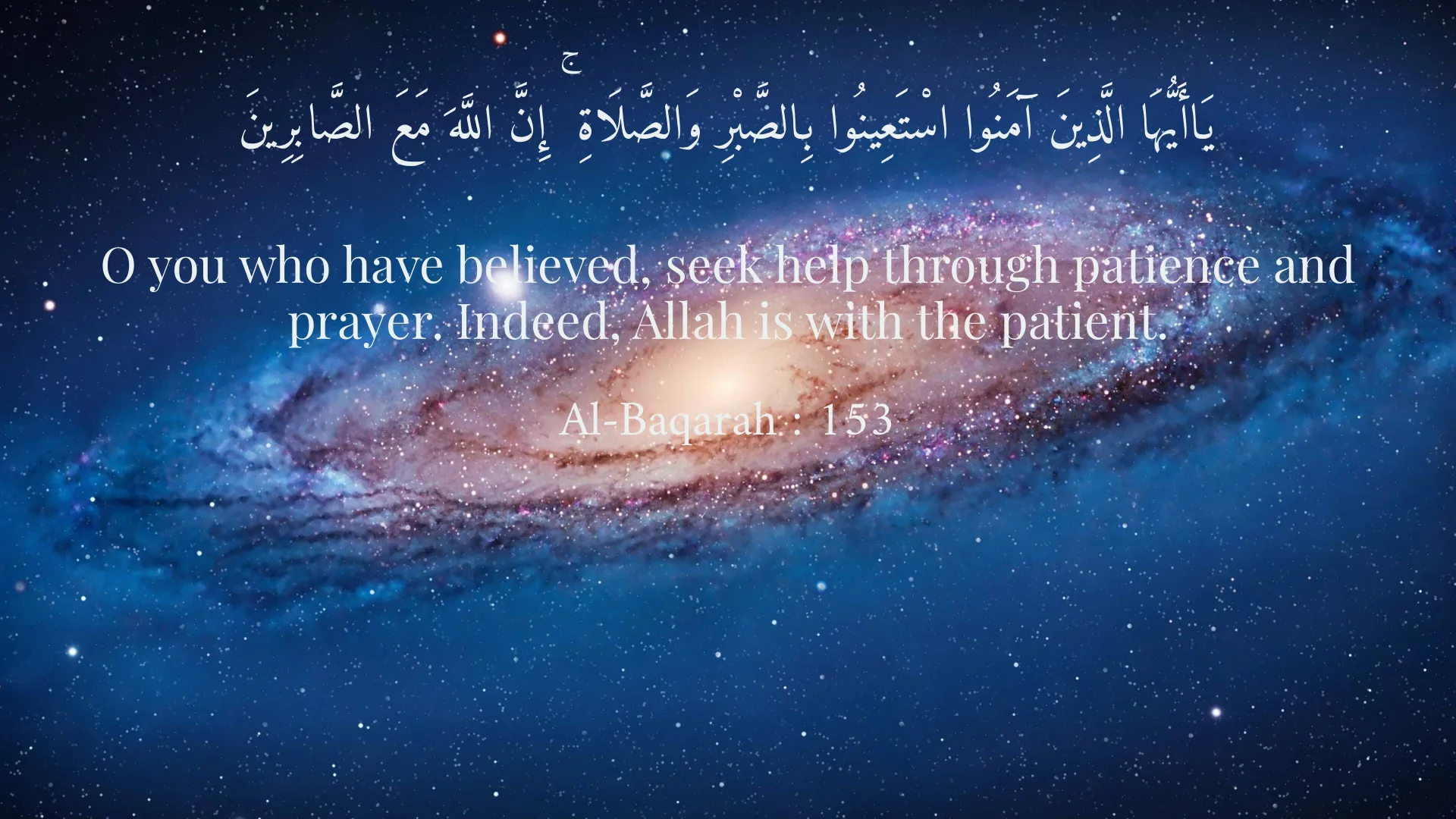
يَاأَيُّهَا الَّذِينَ آمَنُوا اسْتَعِينُوا بِالصَّبْرِ وَالصَّلَاةِ ۚ إِنَّ اللَّهَ مَعَ الصَّابِرِينَ
O you who have believed, seek help through patience and prayer. Indeed, Allah is with the patient.
Al-Baqarah : 153
أُو۟لَـٰئِكَ هُمُ ٱلْمُؤْمِنُونَ حَقًّۭا ۖ لَهُمْ دَرَجَـٰتٌ مِّن رَّبِّهِمْ وَمَغْفِرَةٌ وَرِزْقٌ كَرِيمٌ
It is they who are the true believers. For them are degrees [of honor] from their Lord and forgiveness and a noble provision.
Al-Anfal : 4
وَلَا تَهِنُوا وَتَحْزَنُوا وَأَنتُمُ الْأَعْلَوْنَ إِن كُنتُم مُّؤْمِنِينَ
And do not weaken and do not grieve, and you will be uppermost if you are believers.
Al-Imran : 139
Short Story
Once upon a time, there was a young man named Hamid who faced many challenges in his life. He felt that no one understood him, and grief and sorrow had taken control over him. One day, while reading the Quran, he came across verses about patience and perseverance. These verses gave him hope and strength, helping him realize that Allah was always by his side. From that day on, Hamid decided to pray and get closer to God through prayer, and he noticed that his sorrows had diminished, and he found greater peace in his heart.