Quranic Answer
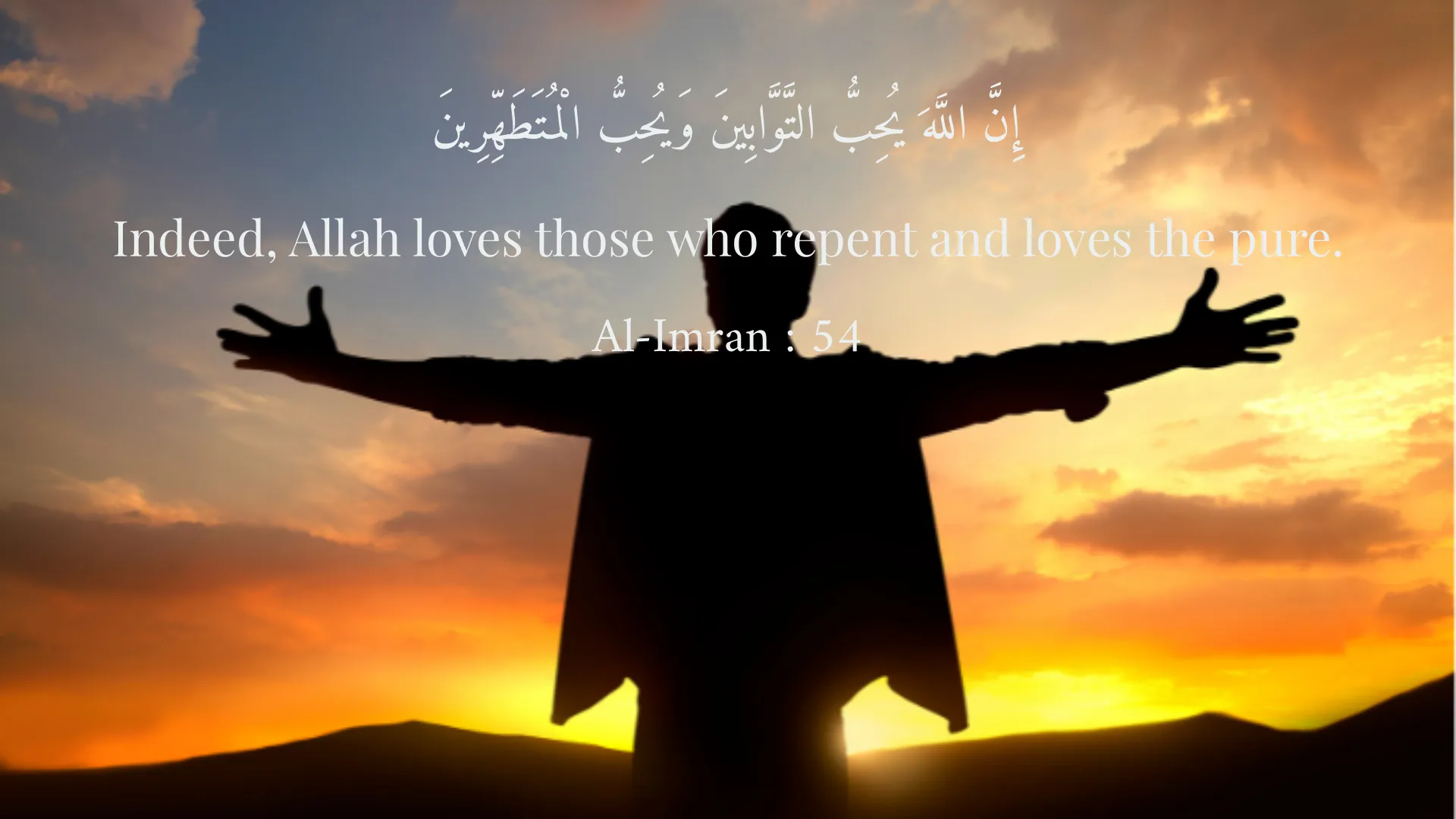
The Holy Quran, regarded as the ultimate guide for Muslims, intricately weaves together themes of love in its verses, transcending mere emotion to touch upon profound spiritual wisdom essential for human existence. As such, the concept of love within the Quran encompasses various dimensions, presenting a divine tapestry that interlinks love for God, love for humanity, and love within familial relationships. The Quran's treatment of love reflects its significance as both a spiritual force and a foundational element for societal harmony and personal integrity. One of the most striking aspects of love in the Quran is the emphasis on divine love. The spiritual connection between humans and Allah transcends superficial affection, delving deep into the transformative nature of divine love. For instance, in Surah Al-Imran, verse 54, Allah states: 'Indeed, Allah loves those who repent and loves the pure.' This declaration highlights not only the boundless mercy of God toward His creation but also the importance of humility, repentance, and sincerity. Through this verse, believers are reminded that striving for purity in their thoughts, actions, and intentions draws them closer to divine love. The implication is profound; divine love is not a passive state but rather an active relationship that entails self-improvement and a pursuit of righteousness. This love from God acts as a powerful motivator, inspiring believers to transform their lives in adherence to His commandments. The Quran further emphasizes that love is not meant to be confined to a relationship with the Divine but extends to love among fellow human beings. This broader societal aspect of love is illustrated in Surah Al-Ma'idah, verse 54, where Allah commands believers to support one another: 'O you who have believed! Be supporters of one another.' This exhortation goes beyond mere camaraderie; it fosters a sense of community rooted in compassion, kindness, and mutual respect. By encouraging solidarity, the Quran builds a vision of an ideal society where individuals uplift each other and work as a collective force against injustice, oppression, and hatred. In a world rife with division, the Quran’s call for support and love among believers serves as an enduring reminder of our shared humanity and the need for unity. Moreover, the Quran beautifully addresses the love between spouses, depicting it as a divine gift and a source of tranquility and mercy. In Surah Ar-Rum, verse 21, it is stated: 'And of His signs is that He created for you from yourselves mates that you may find tranquility in them and He placed between you affection and mercy.' This verse encapsulates the ideal Islamic marital relationship, emphasizing companionship as a profound blessing. The affection and mercy referred to signify not only romantic love but also a commitment to understanding, patience, and nurturing within the family structure. The Quranic perspective encourages spouses to engage in acts of kindness and understanding, creating a home environment that flourishes on mutual respect and devotion. Through this divine lens, love transcends physical attraction, encapsulating an emotional and spiritual bond that upholds the family unit as a critical pillar for societal stability. Additionally, the Quran advocates for a comprehensive understanding of love that transcends familial bounds. Love is portrayed as a necessary component in establishing a just and ethical society. For example, the Quran espouses the importance of compassion and mercy towards all living beings, which aligns with the notion of universal love. Believers are reminded that their compassion should extend beyond the confines of their immediate community. Acts of charity and kindness are viewed as manifestations of love and gratitude toward Allah’s creation. By promoting this broader sense of love, the Quran sets a precedent for ethical behavior, urging believers to contribute positively to society while fostering a sense of responsibility for others’ welfare. In addition to the healing effects of love, the Quran teaches that love is a reciprocal exchange that nurtures relationships. Love, as described in the Quran, requires commitment and effort; it should be cherished and honored, allowing not only the individual but the community at large to thrive. The significance of maintaining loving relationships underscores the social fabric of the Muslim community, where each person plays a pivotal role in fostering an atmosphere conducive to love, peace, and harmony. It emphasizes that love must be cultivated actively through actions, words, and intentions, reinforcing the idea that divine love and human love are interlinked. In essence, love in the Holy Quran reveals itself as a multidimensional concept that captivates the hearts and minds of believers, propelling them toward the betterment of themselves and their surroundings. The interplay of divine love, love for others, and love within the familial context constructs a holistic view of life, rooted in compassion, understanding, and spiritual growth. Recognizing the significance of love is paramount for those navigating the complexities of contemporary life. Ultimately, the Quran’s teachings on love serve as an illuminating guide for individuals aspiring to embody love in all its forms. Through sincere devotion to Allah, empathy toward others, and nurturing relationships with family, believers can create a harmonious existence that resonates with the core values of Islam. In summary, the Quran beautifully encapsulates the essence of love as a transformative force that enriches one’s relationship with God, fortifies communal ties, and instills peace and tranquility within the family unit. Such insights underscore the timeless relevance of the Quran as a comprehensive source of wisdom and guidance in navigating the intricate realities of human relationships.
Related Verses
إِنَّ اللَّهَ يُحِبُّ التَّوَّابِينَ وَيُحِبُّ الْمُتَطَهِّرِينَ
Indeed, Allah loves those who repent and loves the pure.
Al-Imran : 54
يَا أَيُّهَا الَّذِينَ آمَنُوا كُونُوا أَوْلِيَاءَ بَعْضِكُمْ
O you who have believed! Be supporters of one another.
Al-Ma'idah : 54
وَمِنْ آيَاتِهِ أَنْ خَلَقَ لَكُمْ مِنْ أَنفُسِكُمْ أَزْوَاجًا لِّتَسْكُنُوا إِلَيْهَا وَجَعَلَ بَيْنَكُمْ مَوَدَّةً وَرَحْمَةً
And of His signs is that He created for you from yourselves mates that you may find tranquility in them and He placed between you affection and mercy.
Ar-Rum : 21
Short Story
Once upon a time in a village, there was a young man named Nader. Nader was always searching for true love. One day he told one of his friends: 'How can I find true love?' His friend responded by mentioning the verses of the Quran, explaining that love is based on affection and mercy. Nader decided to build his life by focusing on the Quranic verses and showing kindness to others. From that day on, he not only found love but also created deeper friendships.