Quranic Answer
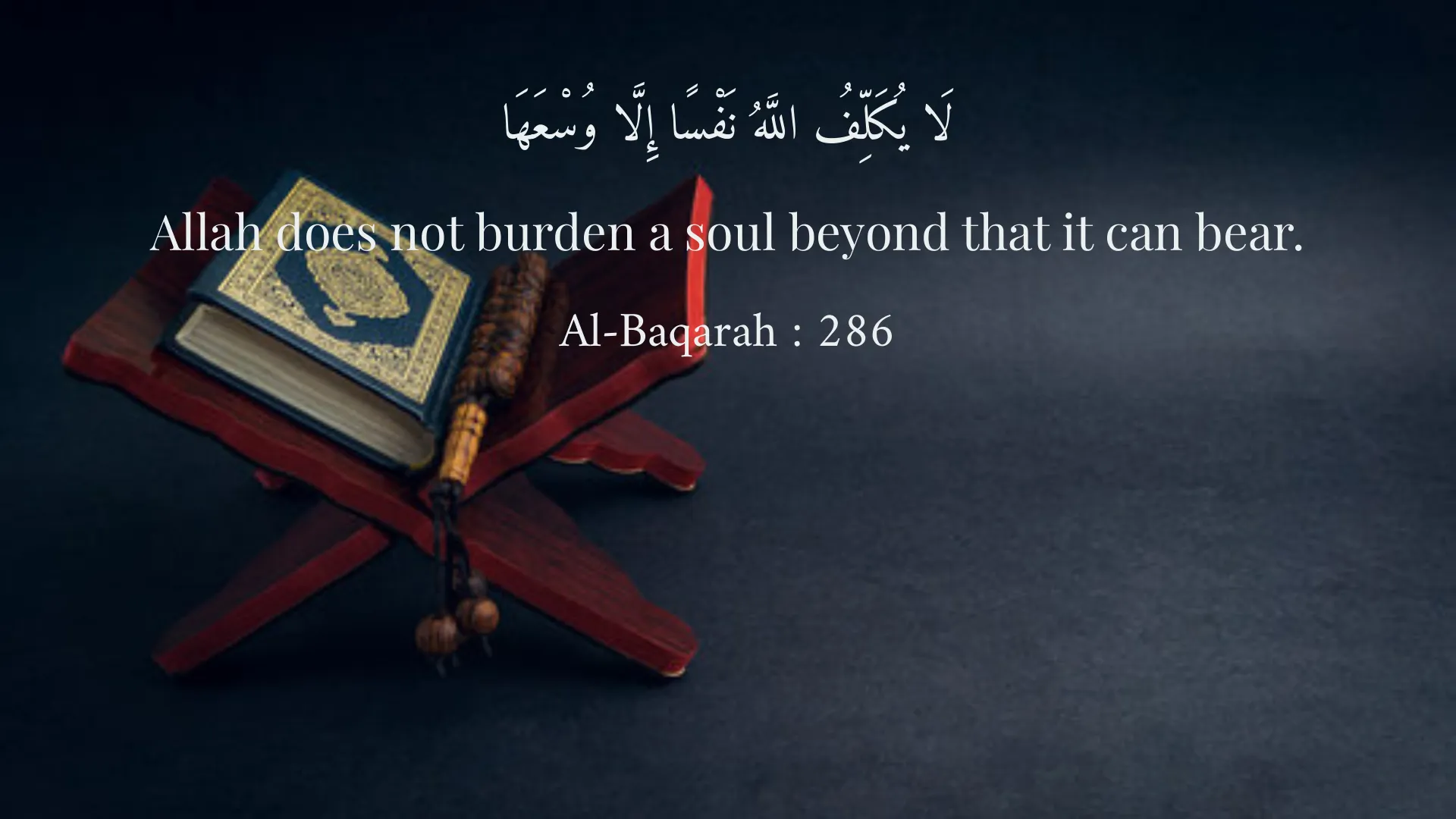
In the Holy Quran and Islamic teachings, the significance of thoughts and intentions holds a profound place in guiding individuals towards righteousness and spiritual fulfillment. The emphasis placed on the state of the heart and mind indicates that how we think and perceive reality shapes our relationship with Allah (God) and, consequently, our experiences in life. The Quran serves as a divine roadmap, providing guidance to humanity in understanding and maintaining a correct perspective not only towards themselves but also towards the world around them. This perspective is especially crucial during moments of doubt and hardship, which often test our faith and resilience. Negative thoughts about Allah can take roots in the human heart, manifesting as doubts in His mercy or beliefs that He is indifferent towards His servants. Such thoughts are not mere fleeting moments of uncertainty; they can have profound implications on one's spiritual journey. The fear of divine anger can lead individuals to feel isolated and alienated from the very essence of mercy that Allah embodies. In Surah Al-Baqarah, verse 286, Allah states, 'Allah does not burden a soul beyond that it can bear.' This verse is a testament to Allah's deep compassion and understanding of the human condition. It reassures believers that they are never given challenges beyond their capacity, which serves as both a comfort and a reminder of His infinite mercy. The implications of this verse are significant; they encourage believers to trust in Allah’s wisdom and to approach their struggles with faith and patience. Moreover, in Surah Al-Ahzab, verse 10, we are cautioned against disregarding our Creator, even in the face of adversity. This verse underlines the importance of maintaining a connection with Allah through prayer, reflection, and sincere worship. The challenges we face are not a sign of abandonment but rather opportunities for growth and deeper faith. Believers are thus urged to confront their doubts and fears by turning to Allah, seeking clarity and strengthening their trust in His will. By nurturing a positive outlook towards Allah, individuals foster a mindset that embraces hope, resilience, and an unwavering faith in divine wisdom. Negative thinking not only impacts one’s spiritual state but can also lead to detrimental actions that align with a lack of faith. When individuals allow doubts and fears to cloud their perceptions, they may find themselves straying from the path of righteousness and inadvertently distancing themselves from the grace of Allah. This is particularly relevant in times of distress where one's level of faith can be tested. Therefore, it is imperative for believers to continuously work on their thoughts, replacing negativity with positivity, and cultivating a heart filled with hope and gratitude. The importance of intention in Islamic teachings is paramount. Every action begins with an intention, or 'niyyah,' and the purity of that intention can greatly influence the outcome of the action itself. In this regard, thoughts serve as the precursor to intentions, thereby affecting the overall spiritual health of an individual. Positive thoughts foster sincere intentions that align with the teachings of Islam, encouraging believers to act in ways that reflect their love and fear of Allah. This not only enhances individual spirituality but also positively influences those around them, creating an environment of compassion and understanding. Furthermore, maintaining a healthy perspective towards oneself is also rooted in Islamic guidance. The Quran encourages self-reflection and awareness, emphasizing that believers should neither underestimate their worth nor overestimate their significance in the grand scheme of creation. Instead, they are encouraged to recognize their potential as servants of Allah, committed to doing good and seeking His pleasure. Negative self-perception can stem from societal pressures, life experiences, or personal insecurities, but Islamic teachings inspire individuals to look towards their Creator for affirmation and validation. As believers navigate through life, they encounter various struggles and moments of despair. It is during these times that one must remember Allah’s words and promises in the Quran. Realizing that every burden is a test meant to guide them towards growth can help individuals maintain a sense of purpose and direction. Recognizing the divine nature of their trials allows believers to transform their mindset, viewing hardships as opportunities for spiritual resilience and deeper faith. In conclusion, the Quran and Islamic teachings profoundly emphasize the importance of thoughts, intentions, and the overall perception towards God. Harboring negative thoughts about Allah stems from a lack of understanding of His infinite mercy and compassion. Anyone who succumbs to such negativity not only risks alienation from divine mercy but also jeopardizes their spiritual growth. The teachings of Islam guide believers towards maintaining hope in Allah and cultivating positive thoughts that resonate with their faith. It is through this continuous effort that individuals can experience genuine peace and happiness in their lives, becoming a source of light and positivity in the world around them. Therefore, it is not merely a suggestion but an essential aspect of faith for believers to steer clear of negative notions and strive for a mindset of gratitude, hope, and trust in Allah’s divine plan.
Related Verses
لَا يُكَلِّفُ اللَّهُ نَفْسًا إِلَّا وُسْعَهَا
Allah does not burden a soul beyond that it can bear.
Al-Baqarah : 286
وَإِذْ زَغَتْ أَبْصَارُهُمْ
And when their eyes were fixed upon them.
Al-Ahzab : 10
Short Story
Once in a small town, there lived a man named Samad who was greatly troubled by his problems and hardships. He often complained to God and harbored negative thoughts that God was indifferent to him. One day, he visited a religious scholar and shared his concerns. The scholar responded with clear and uplifting words drawn from the verses of the Quran and life wisdom. He told Samad that God always shows mercy to His servants and that he should have faith in His power. After that conversation, Samad found peace and realized he needed to distance himself from negative thoughts and have hope in God.