Quranic Answer
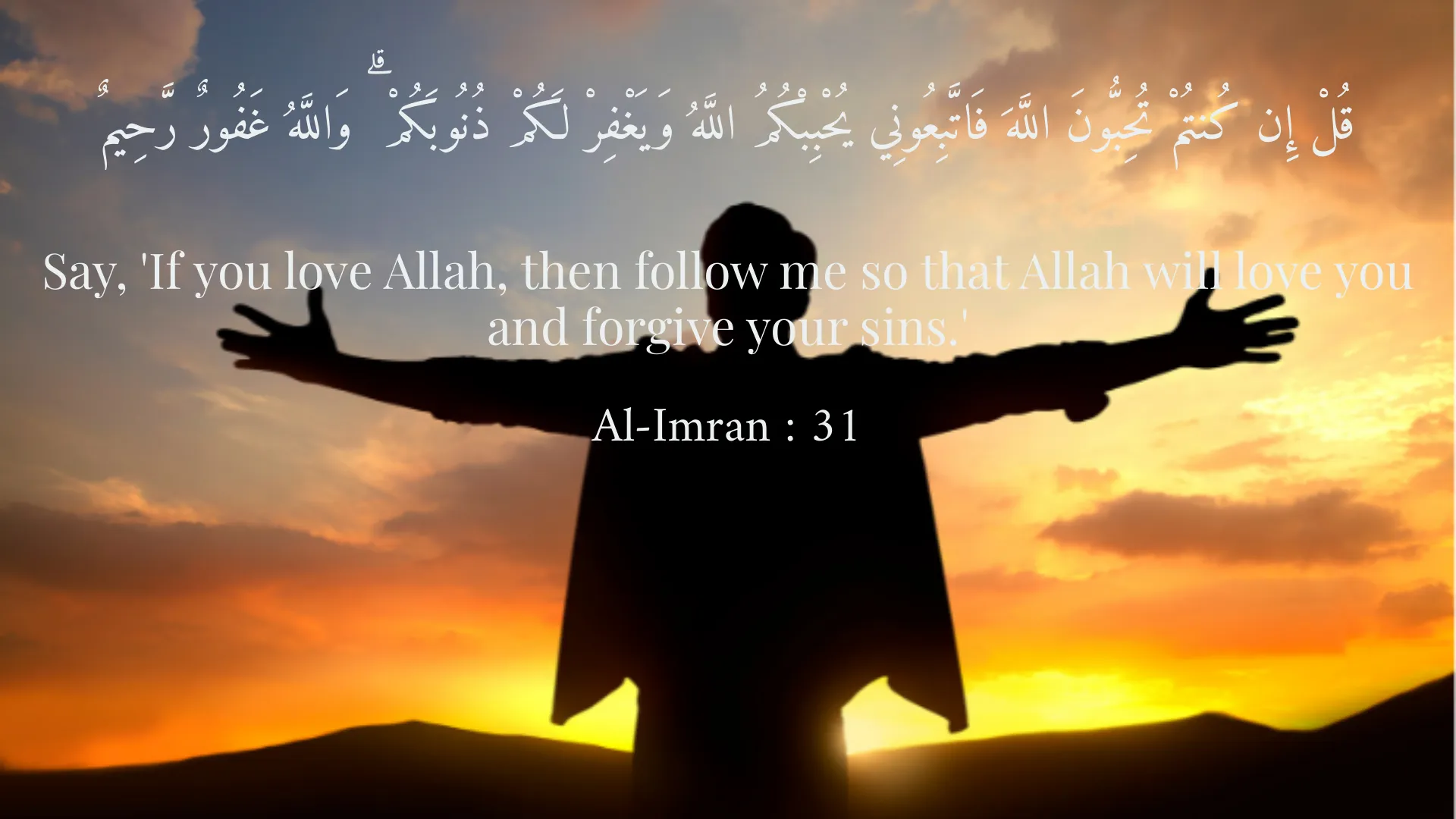
The Holy Quran, considered the sacred text of Islam, plays a pivotal role in shaping the beliefs and practices of Muslims around the world. Within its verses, there exists a profound emphasis on various types of actions and behaviors, categorized primarily into obligatory (fard) and recommended (mustahabb) acts. While the obligatory acts of worship, such as the five daily prayers and fasting during Ramadan, are undoubtedly crucial in establishing a Muslim's relationship with Allah, the Quran also highlights the significance of performing mustahabb acts as a means to gain divine favor and blessings. Mustahabb acts are defined as those actions that are encouraged and beloved by Allah yet do not carry a penalty for failing to perform them. However, neglecting these recommended practices may result in a loss of spiritual benefits and a decrease in one's closeness to Allah. The idea that one can be spiritually enriched by engaging in voluntary practices is beautifully articulated in the Quran. For instance, in Surah Al-Imran, verse 31, Allah commands believers to follow the Prophet Muhammad (peace be upon him): 'Say, if you love Allah, then follow me so that Allah will love you and forgive your sins.' This verse highlights the correlation between following the Prophet's traditions and engaging in mustahabb acts with the attainment of divine love and forgiveness. The Prophet Muhammad is often described as the perfect example for Muslims to emulate, and through his actions and teachings (Hadiths), believers are guided toward a more fruitful practice of their faith. The emphasis on following his traditions underscores the importance of not just adhering to obligatory actions but also incorporating recommended practices into one's daily life. This commitment to mustahabb acts fosters a deeper spiritual connection with Allah, engendering a sense of fulfillment and purpose in a believer's life. Furthermore, in Surah Al-Ma'idah, verse 93, Allah states that performing good deeds leads to blessings and prosperity. This verse serves as a reminder that those who engage in acts of kindness, charity, and other virtuous actions will experience positive consequences in their lives. The Quran consistently reinforces the notion that good deeds, whether obligatory or recommended, lead to increased blessings—not just in the afterlife but also in this world. One of the significant benefits of performing mustahabb acts is the elevation of one's status in front of Allah. Numerous narrations from Islamic traditions cite that those who adhere to mustahabb practices are held in high regard by Allah. This holds particular importance as it indicates a recognition of a believer's dedication and commitment to their faith. While it is commonly understood that failing to perform mustahabb actions does not incur punishment, it is equally crucial to consider what is lost when these acts are omitted. The absence of engagement in these practices may imply a degree of neglect towards the traditions and teachings of Islam, ultimately leading to a diminishment of divine blessings. Moreover, mustahabb acts serve as a means of building a robust relationship between an individual and Allah. By consciously choosing to engage in actions that are pleasing to Allah, believers enhance their spiritual journey, carving pathways for themselves to receive guidance and support during times of need. The act of performing voluntary prayers, giving charity, and seeking forgiveness through extra prayers (e.g., Tahajjud) cultivates a sense of humility and gratitude among believers, reminding them of their dependence on the mercy of Allah. The significance of mustahabb acts is particularly salient when considering how they contribute to personal growth and development. Engaging in these acts allows individuals to reflect on their character and intent, prompting them to become better versions of themselves. In Islam, character development is an essential goal, as believers strive to mirror the moral excellence exemplified through the life of the Prophet Muhammad. Actions such as helping others, showing compassion, maintaining good character, and practicing patience are all examples of mustahabb acts that encourage believers to embody the teachings of Islam in their daily interactions. In today’s world, characterized by distractions and the fast pace of life, the importance of mustahabb acts becomes increasingly pertinent. Many modern challenges may deter individuals from dedicated adherence to obligatory worship; thus, engaging in recommended acts can serve as a nurturing influence. Like the pillars that hold up a structure, routine practices such as additional prayers, remembrance of Allah (dhikr), recitation of the Quran, and displaying gratitude can reinforce and support the obligatory acts, ensuring a more spiritually enriching experience. Additionally, the community aspect of performing mustahabb acts cannot be overlooked. Engaging in recommended practices alongside fellow Muslims fosters unity and strengthens bonds within the community. From charitable work to organizing community prayers, these actions embody the spirit of brotherhood and sisterhood encouraged in Islam. The Quran emphasizes community welfare and collective responsibility, and performing mustahabb acts strengthens these social connections, enabling believers to support each other in their faith journeys. In conclusion, the Holy Quran's exhortation to perform mustahabb acts highlights the importance of voluntary worship in Islam. While obligatory acts remain a fundamental component of a believer's faith, recommended actions serve as a powerful means to cultivate closeness with Allah, gain blessings, elevate one's spiritual status, and foster community cohesion. As followers of Islam navigate their faith, recognizing the value of engaging in mustahabb acts can lead to a more profound and fulfilling spiritual journey. The deliberate incorporation of these recommended practices into daily life not only enriches the individual's experience but also enhances their interactions with others, embodying the very essence of the teachings of Islam.
Related Verses
قُلْ إِن كُنتُمْ تُحِبُّونَ اللَّهَ فَاتَّبِعُونِي يُحْبِبْكُمُ اللَّهُ وَيَغْفِرْ لَكُمْ ذُنُوبَكُمْ ۗ وَاللَّهُ غَفُورٌ رَّحِيمٌ
Say, 'If you love Allah, then follow me so that Allah will love you and forgive your sins.'
Al-Imran : 31
لَيْسَ عَلَى الَّذِينَ آمَنُوا وَعَمِلُوا الصَّالِحَاتِ جُنَاحٌ فِيمَا طَعِمُوا إِذَا مَا اتَّقَوْا وَآمَنُوا وَعَمِلُوا الصَّالِحَاتِ ثُمَّ اتَّقَوْا وَآمَنُوا ثُمَّ اتَّقَوْا وَأَحْسَنُوا ۗ وَاللَّهُ يُحِبُّ الْمُحْسِنِينَ
There is no blame upon those who believe and do righteous deeds for what they have eaten if they fear Allah and believe and do righteous deeds, and then fear Allah and believe. And Allah loves the doers of good.
Al-Ma'idah : 93
Short Story
One day, a man named Amir was sitting in a corner of the mosque. He recalled that the Prophet (peace be upon him) had said that everyone should pay attention to Mustahabb acts that bring them closer to God. He decided to prepare a donation for those in need after his prayer, spreading his love and kindness. From that day on, his life changed, and as he performed more Mustahabb acts, he felt better and experienced more blessings in his life.