Quranic Answer
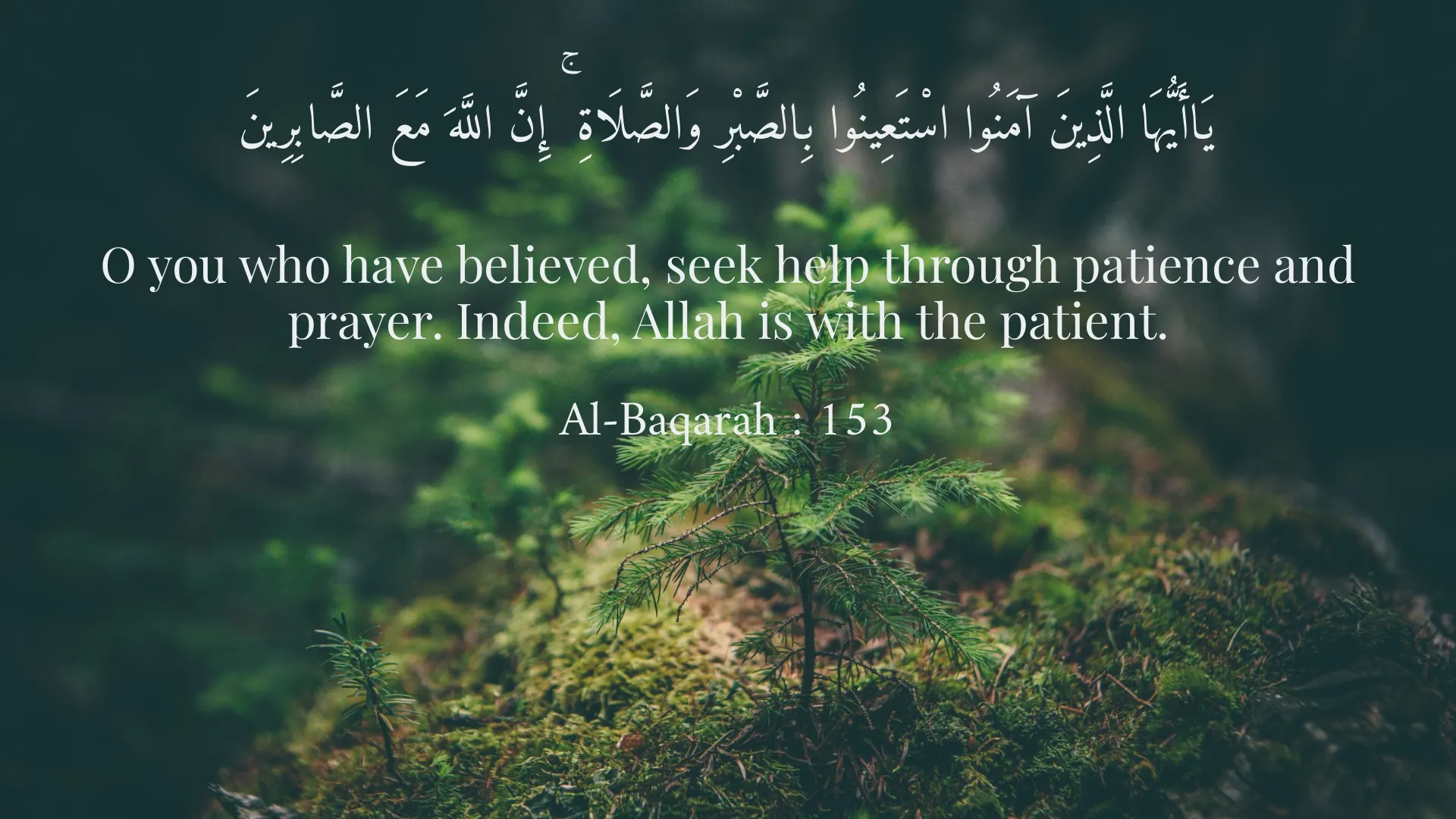
Patience is often regarded as one of the most valuable virtues a person can possess. In many philosophical and spiritual traditions, it is seen not just as an ordinary trait, but as a profound sign of strength and resilience. In the context of the Holy Quran, patience—or 'sabr'—is recognized as an essential quality of believers. This notion is vividly encapsulated in Surah Al-Baqarah, verse 153, which states, 'O you who have believed, seek help through patience and prayer. Indeed, Allah is with the patient.' This particular verse not only emphasizes the importance of patience but also suggests a deep theological understanding of how this quality fosters a connection with the Divine. Here, Allah explicitly presents patience as a mechanism by which believers can seek assistance in times of hardship. The Quran situates patience as both a discernible trait of strong character and a necessary condition for attaining peace. Through its verses, it highlights a particular path that believers are encouraged to undertake in order to establish a closer relationship with Allah. It connects patience directly to prayer, suggesting that perseverance in faith and dedication to spiritual practices are interrelated. When believers face challenges, their ability to remain steadfast is underscored by this call to seek solace in faith and the act of prayer. In addition to its portrayal as a virtue for individuals, the text in Surah Al-Imran, verse 186, broadens the understanding of patience. The verse notes, 'And We will surely test you with something of fear and hunger and a loss of wealth and lives and fruits, but give good tidings to the patient.' This verse lays the groundwork for the rationale behind the trials and tribulations that believers may endure. Life’s difficulties—whether they be personal losses, financial struggles, or emotional challenges—are framed not merely as suffering but as divine tests meant to strengthen one's resolve. Moreover, such trials serve as a precursor for the spiritual elevation of an individual. The narrative established here indicates that it is through these very hardships that true patience is born. The text encourages readers to see these challenges not as burdens but as opportunities for growth, thus redefining the way believers might perceive adversity. This crucial viewpoint can be incredibly empowering, transforming the understanding of suffering into a meaningful experience that can lead to greater spiritual rewards. The theme of patience continues in another significant verse, Surah Az-Zumar, verse 10, which reassures the patient, saying, 'Indeed, the patient will be given their reward without account.' This statement amplifies the significance of patience even further and underscores the profound rewards that await those who persist in faith despite adversity. It illustrates the idea that patience is not merely an act of endurance; it is a conscious choice that yields limitless benefits. The mention of 'reward without account' serves to highlight the infinite wisdom of Allah and frames patience as a divine trust that ultimately merits an unquantifiable return. Thus, patience can be seen as a pathway to overcoming the inevitable challenges of life. This concept transcends religious boundaries; it resonates with universal human experiences. In the face of setbacks, patience compels individuals to adopt a long-term perspective, encouraging them to endure and ultimately emerge stronger and more resilient. The teachings of the Quran impart a sense of hope and motivation, asserting that difficulties are temporary and can be effectively navigated through the strength of patience and continued faith. Additionally, the discussions surrounding patience in the Holy Quran invite believers to reflect on their personal challenges. When believers meditate on their experiences through the lens of patience, they find that every struggle has a purpose, and perseverance promises not only spiritual growth but also emotional and mental fortitude. Drawing from these teachings, one can better understand that challenges are an integral part of the human experience and can lead to greater self-awareness and personal development. Patience, as delineated in these verses, allows individuals to cultivate qualities such as empathy, strength, and resilience, ultimately forging a more profound connection with themselves and their faith. Moreover, the spiritual context of patience remains relevant: in a world often dominated by instant gratification and fleeting satisfaction, the practice of patience instills a sense of tranquillity and confidence. In conclusion, the prominent qualities of patience as described in the Holy Quran delineate a pathway to personal strength and resilience. By understanding patience as a means to connect with Allah, overcome hardship, and earn divine rewards, individuals can navigate life’s inevitable challenges with grace. The insights provided through these verses are not only a guide to spiritual dedication but also an encouragement to perceive life’s trials as opportunities for growth and character refinement. Therefore, patience can undoubtedly be regarded as a foundational aspect of not just faith, but of a fulfilling and purpose-driven life.
Related Verses
يَاأَيُّهَا الَّذِينَ آمَنُوا اسْتَعِينُوا بِالصَّبْرِ وَالصَّلَاةِ ۚ إِنَّ اللَّهَ مَعَ الصَّابِرِينَ
O you who have believed, seek help through patience and prayer. Indeed, Allah is with the patient.
Al-Baqarah : 153
وَلَنَبْلُوَنَّكُم بِشَيْءٍ مِّنَ الْخَوْفِ وَالْجُوعِ وَنَقْصٍ مِّنَ الْأَمْوَالِ وَالْأَنفُسِ وَالثَّمَرَاتِ ۗ وَبَشِّرِ الصَّابِرِينَ
And We will surely test you with something of fear and hunger and a loss of wealth and lives and fruits, but give good tidings to the patient.
Al-Imran : 186
إِنَّمَا يُوَفَّى الصَّابِرُونَ أَجْرَهُمْ بِغَيْرِ حِسَابٍ
Indeed, the patient will be given their reward without account.
Az-Zumar : 10
Short Story
One day, a young man named Hosam felt that nothing could calm him. He was struggling with many difficulties and was always anxious. However, one day he opened a Quran and came across verse 153 of Surah Al-Baqarah. After reading it, Hosam decided to respond to his problems with patience and perseverance. He realized that patience gave him an inner strength and gradually was able to manage his problems and feel stronger.