Quranic Answer
Repentance in Islam: Understanding the Conditions and the Divine Mercy In the realm of spirituality, few concepts are as profound as that of repentance. In the Holy Quran, numerous verses emphasize the significance of this principle, as well as the conditions under which it is accepted by Allah. Repentance, or "Tawbah" in Arabic, is not merely an act of seeking forgiveness; it represents a transformative journey for the believer, enabling them to return to a state of grace and favor in the eyes of their Creator. This article delves into the nature of repentance, the assurance provided by Allah regarding its acceptance, and the essential conditions required for it to be deemed genuine. A fundamental premise in understanding repentance in Islam is encapsulated in Surah Az-Zumar, verse 53, which invites believers to reflect on the limitless mercy of Allah: "Say, O My servants who have believed, fear your Lord. For those who do good in this world is good, and the earth of Allah is spacious. Indeed, the patient will be given their reward without account." This verse serves as a beacon of hope, reiterating the importance of fearing Allah while simultaneously reminding believers that goodness begets goodness. The phrase "the earth of Allah is spacious" symbolizes the abundant opportunities for repentance available to all. The vastness of Allah's mercy and forgiveness underscores the idea that no believer should ever feel despondent due to their past misdeeds; rather, they should remain hopeful and resolute in their repentance. Further reinforcement of this theme is found in Surah At-Tawbah, verse 102, where Allah underscores the significance of repentance and reiterates His attentive nature to the supplications of His servants. The verse urges believers to turn back to Allah and seek forgiveness, assuring them that their sincere attempts will not go unnoticed. Yet, it is crucial to elucidate that mere lip service or performative gestures of repentance will not suffice. The essence of true repentance lies in the genuine remorse for one's actions and a steadfast commitment to rectify behaviors that led to transgression. This understanding delineates the line between superficial repentance and that which is truly transformative. In Surah Al-Baqarah, verse 160, the Quran further reinforces these concepts: "And whoever repents and does righteousness does indeed turn to Allah with [accepted] repentance." This profound statement illustrates that repentance is a two-fold process. It requires not only the acknowledgment of wrongdoing but also an active commitment to engage in righteous actions that counterbalance past mistakes. Through this lens, repentance becomes a catalyst for personal growth and spiritual awakening, urging Muslims to elevate themselves and seek continuous improvement in their conduct and character. One of the key elements in Islamic teachings on repentance is the concept of sincere intention, or "Niyyah." In Islam, intention holds a paramount position in determining the validity and acceptance of actions. Thus, for repentance to be genuine, it should stem from an inner desire for reconciliation with Allah, rather than a mere rush of emotions in the wake of a wrongdoing. For instance, a person who engages in a sinful act and feels compelled to repent out of fear of punishment may not achieve the same level of forgiveness as someone who repents from a place of deep remorse and recognition of their faults. Moreover, the teachings of the Prophet Muhammad (peace be upon him) further illuminate the importance of sincere repentance. He stated, "The one who repents from sin is like one who did not sin at all." This profound saying not only emphasizes Allah's readiness to forgive but also highlights the transformative power of genuine repentance. When individuals turn to Allah with sincerity, they not only seek forgiveness but also pave the way for healing and renewal. The continuous theme of mercy is also present throughout the Quran. In Surah Al-Imran, verse 135, Allah encourages believers to engage in acts of charity and seek His forgiveness, stating: "And those who, when they commit an immorality or wrong themselves by transgression, remember Allah and seek forgiveness for their sins; and who can forgive sins except Allah? And [who] do not persist in what they have done while they know." This verse beautifully encapsulates the transition from sin to righteousness. It reassures believers that although human beings may falter, they possess the ability – through the act of remembrance and genuine seeking of forgiveness – to attain closeness to Allah once more. In connection with the themes of mercy and forgiveness, it is crucial to understand that seeking repentance is not merely a one-time act but a continuous journey throughout a person's life. The struggles against sin and the persistence in seeking Allah's mercy form an integral part of a believer's journey towards spiritual growth. Consequently, Islamic teachings also emphasize the need for constant self-reflection and introspection as believers navigate their spiritual paths. As believers engage in a heartfelt quest for Allah's forgiveness, they also cultivate qualities of patience and perseverance, which are immensely rewarding. It is in this patient striving—balancing between hope, remorse, and determined action—where a believer's faith is solidified, thus strengthening their relationship with their Creator. In conclusion, repentance in Islam is a multifaceted process deeply intertwined with the themes of mercy, sincerity, and righteousness. The assurances from Allah regarding His acceptance of repentance serve as a vital reminder for all believers: the doors of forgiveness are always open for those who seek them earnestly. However, it is essential that this act of repentance be accompanied by genuine remorse, a commitment to amend one’s behavior, and a sincere intention. The transformative power of repentance not only seeks forgiveness but also propels individuals towards a path of righteousness and self-betterment. By embracing this journey, Muslims can cultivate a deeper relationship with Allah and foster a spirit of relentless hope, compassion, and growth in their lives and the lives of those around them.
Related Verses
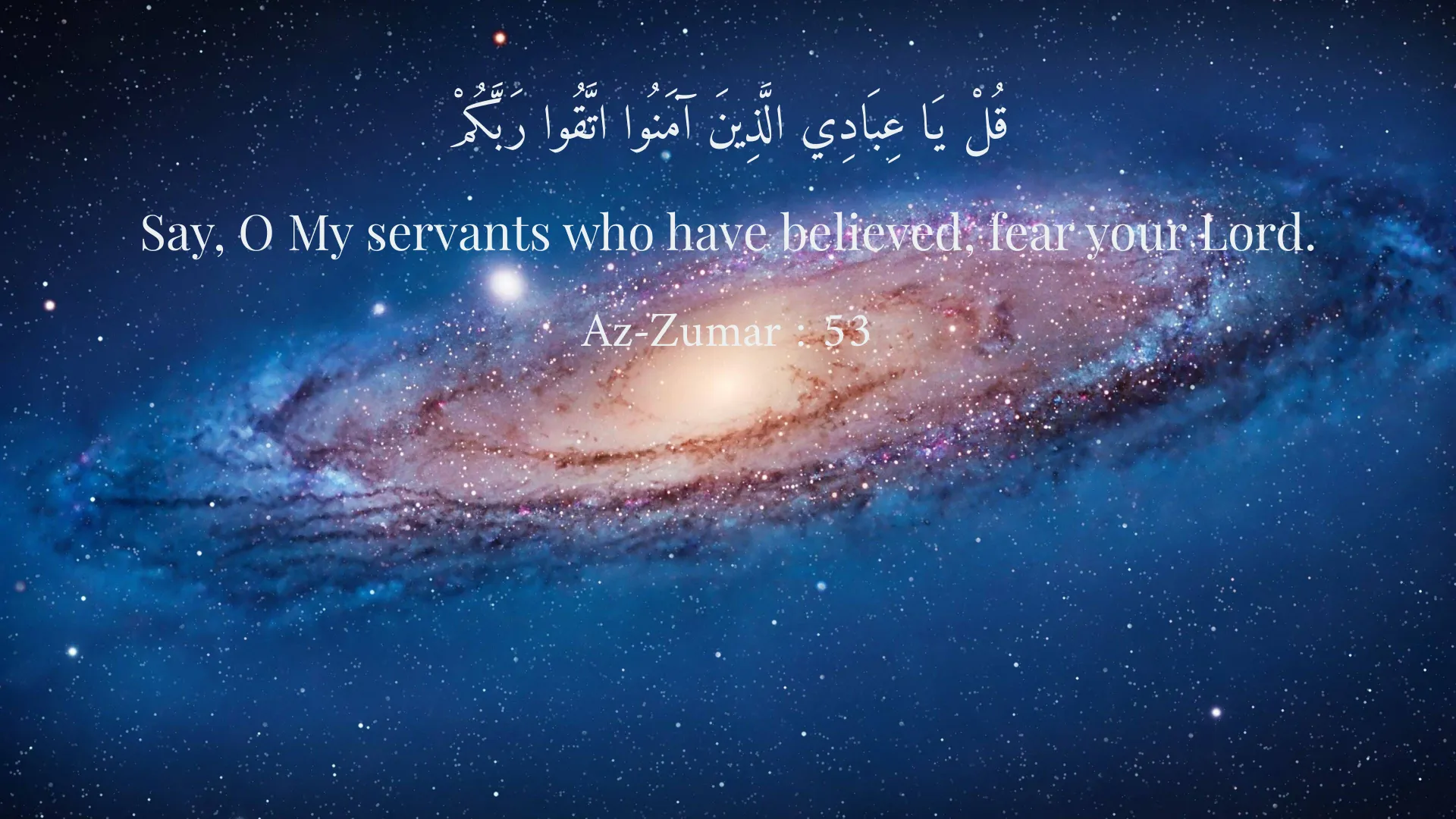
قُلْ يَا عِبَادِي الَّذِينَ آمَنُوا اتَّقُوا رَبَّكُمْ
Say, O My servants who have believed, fear your Lord.
Az-Zumar : 53
وَأَقِمْ مَصَلَّاكَ لِلَّهِ
And establish your prayer for Allah.
At-Tawbah : 102
وَمَن تَابَ وَعَمِلَ صَالِحًا فَإِنَّ اللَّهَ يَتُوبُ عَلَيْهِ
And whoever repents and does righteousness does indeed turn to Allah with [accepted] repentance.
Al-Baqarah : 160
Short Story
One day, a man named Hasan reflected on his past sins and felt a deep sense of remorse. He turned to the Quran and especially studied the verse where Allah had said: 'Do not despair of My mercy.' Hasan decided to sincerely repent and from that moment on, he engaged in good deeds. By helping others and performing righteous actions, he felt a greater sense of lightness and peace, believing that Allah's mercy always encompassed him.