Quranic Answer
Trusting in God's promises is a crucial facet of the belief system articulated in the Holy Quran. Such trust is not merely a passive state of hope but an active form of faith that prompts the believer to navigate their life with confidence in the divine guidance of Allah. It is within the verses of the Quran that Allah emphasizes the importance of this trust, assuring believers that His promises are unwavering and true. This article delves into various verses of the Quran which reflect on the significance of trusting in God's promises and how such trust acts as a source of strength and resilience during life's tribulations. In Surah Al-Baqarah, verse 153, Allah addresses the believers with a clear directive: "O you who have believed, seek help through patience and prayer. Indeed, Allah is with the patient." This instruction suggests a dual form of reliance—seeking assistance through patience and prayer—which underscores the essential nature of faith. The context of this verse reveals that believers will encounter challenges and hardships, yet it is through steadfastness and reliance on God that they can find solace and support. The words "Allah is with the patient" serve not only as a reminder of divine companionship but also highlight that true strength is derived from placing one's trust in God. Moreover, in Surah Al-Imran, verse 122, Allah promises recognition and reward for those who remain conscious of Him: "And do not grieve. And remember that you will pass through trials, but those who believe and are conscious of Allah will receive rewards from their Lord." This verse encapsulates the essence of faith—a profound understanding that life is fraught with trials, but through belief and awareness of God's presence, individuals are promised a significant reward. The assurance of a reward serves as a motivating factor that fortifies the hearts of believers, further encouraging them to remain steadfast despite the obstacles they may face. The theme of trusting in God's promises is further explored in Surah Al-Anfal, verse 53, which states, "And this is because Allah would not change a favor which He had bestowed upon a people until they change what is within themselves." In this verse, the Quran touches upon a deeper spiritual principle that emphasizes accountability. The lack of faith and disbelief among certain members of a community can lead to the unfulfillment of divine promises. This indicates that trust in God's promises is reciprocal; believers must also uphold their end by adhering to righteousness and faith. Here, an important lesson emerges: one's spiritual and moral state can directly impact their relationship with God and the realization of divine promises. Furthermore, the Quran's emphasis on trusting God extends to every aspect of life, proving essential in relationships, personal endeavors, and communal endeavors. A believer is encouraged to trust in God's promise of support and guidance in all their pursuits. The act of placing one's complete faith in Allah acts as not only a shield in times of hardship but also a catalyst for personal growth and improvement. By consistently seeking God's assistance, believers find the courage to confront their fears and challenges, knowing they are not alone. In times of distress, reflecting on Allah's attributes—His mercy, wisdom, and omnipotence—can serve to strengthen faith and trust. The Quran also advises believers to remain anchored in their faith to navigate the uncertainties of life. This is well-articulated in Surah Al-Hujurat, verse 15, where Allah describes true believers as those who have faith in Allah and His Messenger, and do not doubt nor hesitate. Here, the call for unwavering trust is paramount; it encourages a steadfast approach when faced with life's uncertainties. By nurturing a strong bond with God, believers learn to view challenges not as insurmountable obstacles but as opportunities for growth. Moreover, the notion of trusting in God’s promises dovetails with the practice of gratitude. The Quran frequently reminds believers of the countless blessings bestowed upon them, urging them to remain grateful and patient in times of difficulty. Gratitude fosters a positive mindset, allowing believers to reflect on the goodness in their lives and reinforcing their trust in Allah's promises. Such a mindset cultivates resilience and emotional strength, aiding individuals in their quest for righteousness. In conclusion, the Quran serves as a compendium of divine guidance and reassurance, emphasizing the importance of trusting in God's promises through various verses. This trust is not only a personal anchor for believers facing life's trials but also extends into communal interactions, urging a spirit of cooperation grounded in faith. By understanding and internalizing these teachings, believers are better equipped to maintain their faith amidst difficulties and emerge stronger, enriched by the promise of God's eternal support and reward. Trusting in God's promises is more than a theological tenet; it is a life philosophy that transforms how believers experience both adversity and abundance. Ultimately, the Quran invites all seekers to foster trust and reliance on Allah, thereby embracing a full and rich journey of faith.
Related Verses
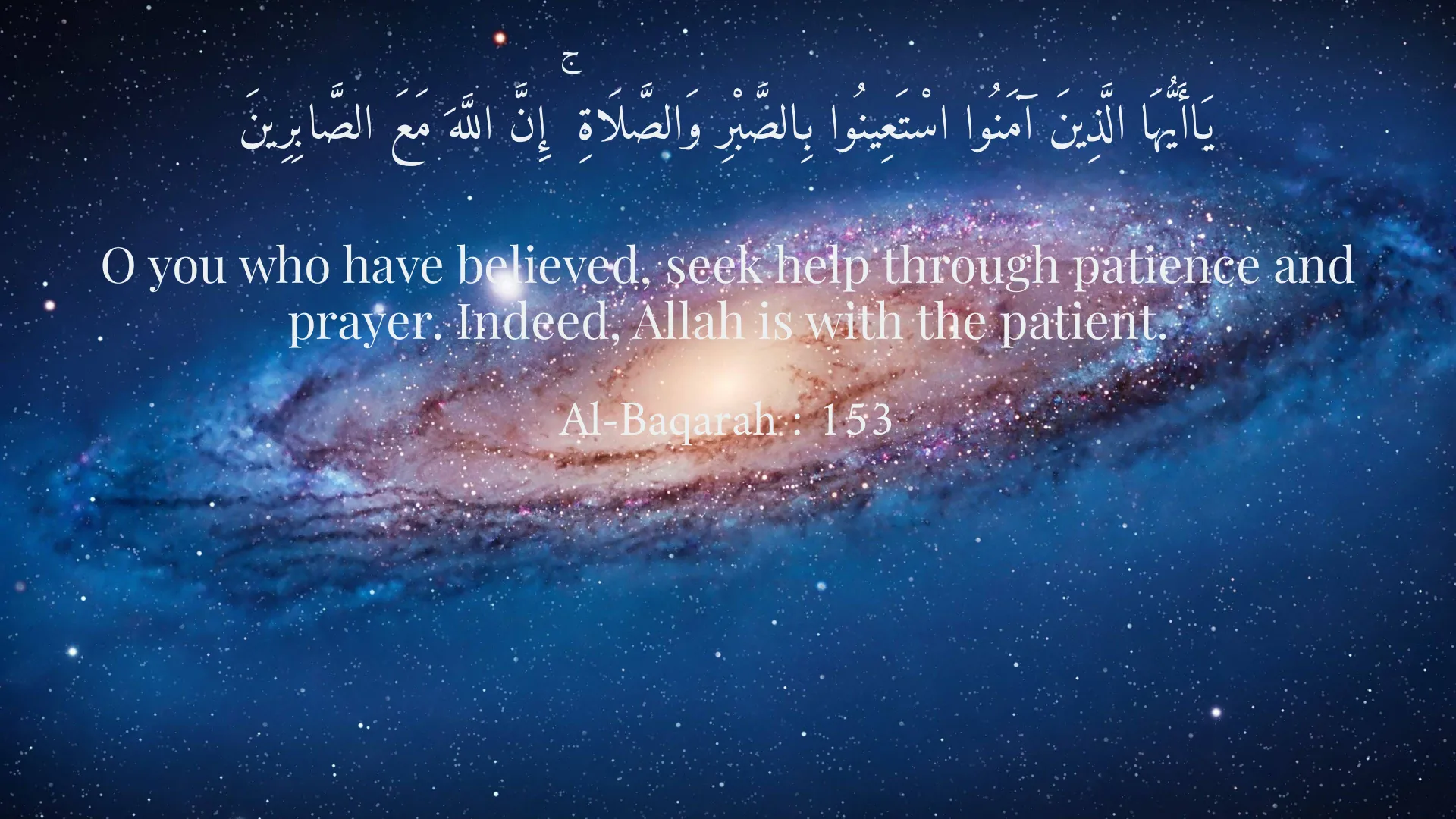
يَاأَيُّهَا الَّذِينَ آمَنُوا اسْتَعِينُوا بِالصَّبْرِ وَالصَّلَاةِ ۚ إِنَّ اللَّهَ مَعَ الصَّابِرِينَ
O you who have believed, seek help through patience and prayer. Indeed, Allah is with the patient.
Al-Baqarah : 153
وَإِن تَصْبِرُوا وَتَتَّقُوا لَا يَضُرَّكُمْ كَيْدُهُمْ شَيْئًا ۚ إِنَّ اللَّهَ بِمَا يَعْمَلُونَ مُحِيطٌ
And if you are patient and fear Allah, their plot will not harm you at all. Indeed, Allah is All-Encompassing of what they do.
Al-Imran : 122
ذَٰلِكَ بِأَنَّ اللَّهَ لَمْ يَكُ مُغَيِّرًا نِعْمَةً أَنْعَمَهَا عَلَى قَوْمٍ حَتَّى يُغَيِّرُوا مَا بِأَنفُسِهِمْ ۖ وَأَنَّ اللَّهَ سَمِيعٌ عَلِيمٌ
That is because Allah would not change a favor which He had bestowed upon a people until they change what is within themselves. And Allah is Hearing and Knowing.
Al-Anfal : 53
Short Story
One day, Adel was playing with his friends. They were discussing whether God's promises were truly real or not. Adel, who always had faith in the Quran, told them that Allah has made great promises to believers in various verses. As time went on, when some of them found themselves in a tough spot, Adel reminded them to trust in God's promises and seek His help. As they prayed, they slowly realized that their problems were resolving, and this experience encouraged them to have further reliance on God.