Quranic Answer
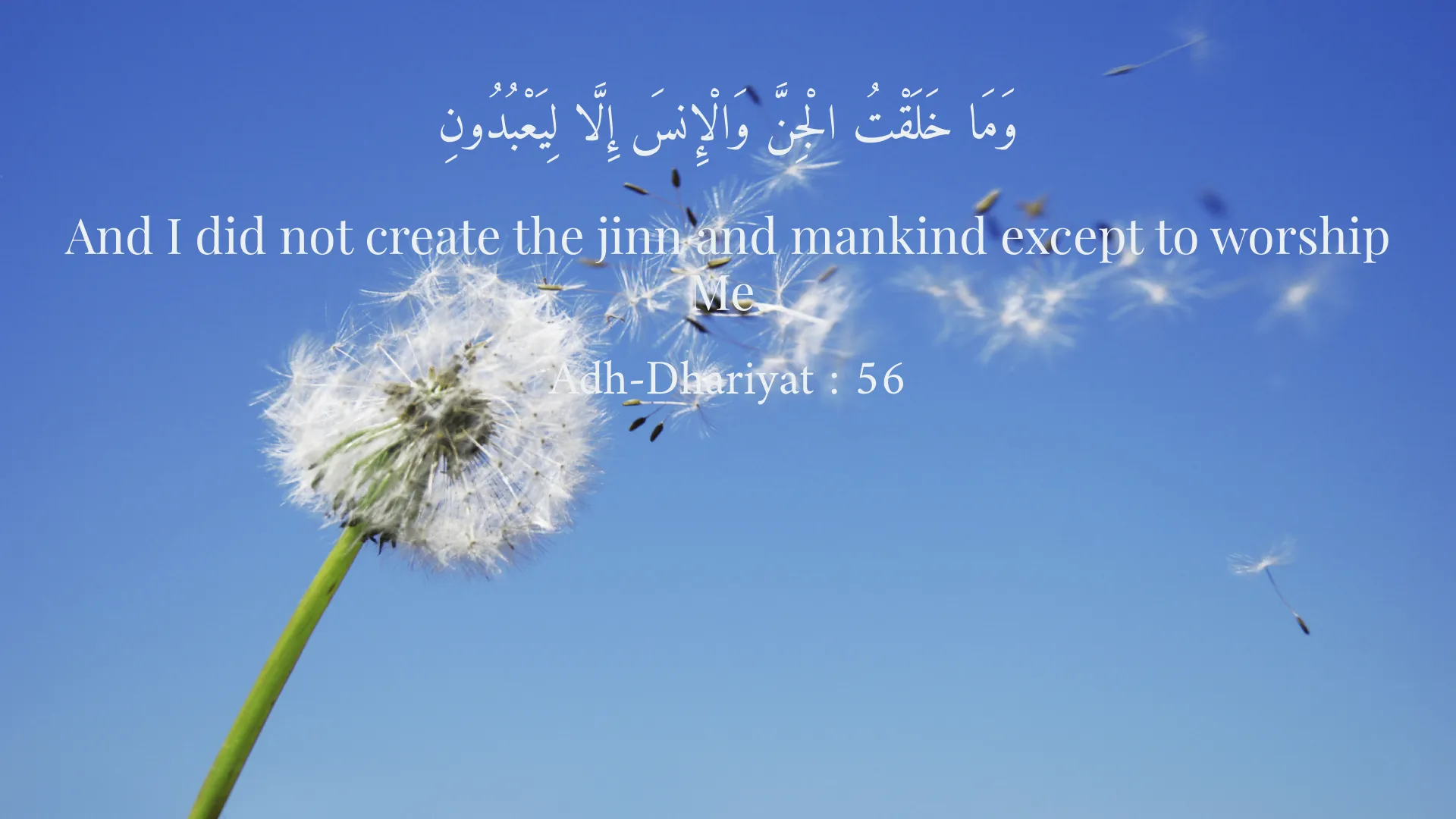
Worship in Islam and the significance of the Holy Quran is often perceived as a sacred duty, resonant with profound implications that extend beyond mere rituals. This profound act of worship provides a deep connection between the believer and Allah, shaping not only spiritual identities but also influencing moral and ethical behaviors in this earthly life. The Holy Quran, as the central religious text of Islam, plays a vital role in guiding the faithful in their journey of worship and spirituality. At the heart of Islamic belief is the concept that humanity was created for a divine purpose. The verse from Surah Adh-Dhariyat, verse 56 clearly elucidates this purpose: 'And I did not create the jinn and mankind except to worship Me.' This proclamation emphasizes the foundational role of worship in the human experience. The act of worship is not merely a ritualistic gesture; it establishes a deep bond with Allah, underpinning the essence of existence and providing meaningful direction to one’s life. Worship, as expounded in Islamic teachings, is multifaceted. It encapsulates prayer (Salah), fasting (Sawm), almsgiving (Zakat), and pilgrimage (Hajj), but its essence goes beyond physical acts. It is a state of consciousness that permeates daily life, fostering a relationship with the Divine that enriches the believer’s soul. The Quran elucidates this relationship by describing worship as an act that draws individuals closer to divine proximity, positively influencing both the spirit and the psyche of a person. Such closeness ignites an inner calm and a sense of peace that permeates one’s being. Numerous verses within the Quran further illustrate that adherence to divine commands provides rewards that are not solely confined to the Hereafter, but also yield immeasurable benefits in this worldly life. For instance, in Surah Al-Baqarah, verse 2, Allah proclaims, 'This is the Book about which there is no doubt, a guidance for those conscious of Allah.' This verse effectively underscores the importance of reciting, reflecting upon, and adhering to the teachings within the Quran. It establishes the Qur'an as not merely a scripture, but as a source of guidance for believers striving to live a life that is harmonious with divine will. The Quran serves as a manual for conduct, encouraging believers to engage in acts of goodness, justice, and compassion. Through the practice of worship and the following of divine guidance, individuals cultivate moral character, leading to a society rooted in peace, justice, and collective well-being. This infusion of ethical principles impacts personal relationships and social dynamics, fostering a community that values harmony and mutual respect. Moreover, the spiritual fulfillment derived from worship brings tranquility in times of distress. The act of turning to Allah in prayer during challenging moments serves as a powerful reminder of one’s reliance on the Divine, anchoring believers amidst the storms of life. The Quran repeatedly reassures believers that their struggles are recognized and that patience, along with continuous worship, will lead to eventual relief and solace. In addition to prayers and rituals, worship in Islam encompasses mindfulness and consciousness of Allah in all actions. This holistic view encourages Muslims to engage with the world around them in a manner that reflects their reverence for creation. A believer is called to treat others fairly, care for the environment, and act with integrity in business dealings. Thus, every action can be transformed into an act of worship when performed with the intention of pleasing Allah. Importantly, the concept of worship transcends individualism; it fosters a sense of community and belonging. Islamic gatherings, whether in mosques or during celebrations, create opportunities for communal worship that strengthens interpersonal bonds. These communal dimensions of worship help to cultivate a sense of unity among believers, reinforcing social solidarity and mutual support. Furthermore, the Islamic view of worship also emphasizes the importance of self-awareness and reflection. Regular engagement with the Quran encourages one to evaluate their actions, intentions, and life choices in light of divine guidance. This self-reflective practice is pivotal for personal growth, leading believers to strive for excellence in both worship and daily conduct. In conclusion, worship in Islam encapsulates a profound duty that is intricately linked with the teachings of the Holy Quran. It molds character, influences communal life, and enhances personal well-being. The divine command to worship is not merely a directive aimed at the Hereafter; it fosters tranquility and fulfillment in this life as well. As believers navigate their spiritual journeys, they find that worship serves as an anchor, guiding them through challenges while enriching their existence in a world that often feels chaotic. Thus, the essence of worship in Islam is both a pursuit of closeness to Allah and a pathway to a fulfilling life enriched with purpose, peace, and communal harmony.
Related Verses
وَمَا خَلَقْتُ الْجِنَّ وَالْإِنسَ إِلَّا لِيَعْبُدُونِ
And I did not create the jinn and mankind except to worship Me.
Adh-Dhariyat : 56
ذَٰلِكَ الْكِتَابُ لَا رَيْبَ ۛ فِيهِ ۛ هُدًى لِلْمُتَّقِينَ
This is the Book about which there is no doubt, a guidance for those conscious of Allah.
Al-Baqarah : 2
Short Story
In a distant time, a mystic sat beside the sea, gazing at the waves. He felt that each wave of the sea echoed a call of worship to Allah. He remembered that worship serves not only as a path to Paradise but also brings tranquility in this world which is equally valuable. The mystic decided to dedicate his life to worship and serving creation, aiming to experience worldly happiness alongside the reward of the Hereafter.