Quranic Answer
The concept of the 'saved ones' is a significant theme in the Holy Quran. Throughout the holy text, believers are guided through various principles and characteristics that define the saved individuals—those who have secured a path towards divine mercy and have earned their place in the afterlife. These characteristics primarily revolve around three fundamental aspects: faith, piety, and honesty. Each element embodies deep spiritual significance and provides a structuring principle for how adherents are expected to lead their lives in accordance with Quranic teachings. Firstly, the characteristic of faith is foundational in understanding who the saved ones are. Faith, or 'Iman', goes beyond just verbal acknowledgment; it represents an internalized belief in the oneness of Allah and the acceptance of His messages through the prophets. In Surah Al-Imran, verse 133, Allah urges believers to expedite their quests towards His forgiveness and paradise, saying, "And hasten to forgiveness from your Lord and a garden as wide as the heavens and the earth, prepared for the righteous". This verse underlines a pivotal aspect: that acknowledging Allah's existence and living life according to His guidelines leads individuals toward the hope of forgiveness and eternal bliss. Furthermore, the notion of piety, or 'Taqwa', encapsulated in the very essence of righteousness, serves as a guiding principle for the saved ones. Piety is not merely an external display but denotes a deep awareness of God, resulting in conscious behavior that aligns with divine commands. The saved individuals are those who continually strive for virtue, seeking to elevate their moral standings and engage in actions that draw them closer to Allah. Pious individuals lead lives imbued with virtue, compassion, and integrity, which allows them to seek forgiveness actively and feel a sense of gratitude towards the numerous blessings bestowed upon them. Another critical trait of the saved ones highlighted in the Quran is honesty, which represents a fundamental moral compass that guides a believer's actions and interactions with others. In Surah Al-Alaq, verses 9 and 10, it is stated: "Have you seen the one who forbids a servant when he prays?" This injunction underscores the significance of allowing individuals the freedom to worship Allah without restraint and to engage in righteous acts without hindrance. Honesty is thus portrayed as an essential component of worship; to be truthful to one’s self and to others lays the foundational groundwork for an authentic and meaningful relationship with Allah. The saved ones are those who refrain from deceit, uphold their commitments, and act with integrity even in challenging circumstances. Moreover, gratitude towards God's blessings is another defining feature of the saved individuals according to the Quran. Expressing thanks not only involves verbal acknowledgment of Allah's favors but also an understanding of the fleeting nature of worldly possessions. Surah Al-Mu’minun provides rich insights into the characteristics of the righteous believers. For instance, in verses 1 to 11, several attributes worth aspiring to are introduced, including humility in prayer, sincerity in worship, and striving for self-improvement. These verses collectively illustrate a holistic approach to life where spiritual development and self-betterment are paramount. The saved ones are those who face their hardships with patience, maintain a humble demeanor during prayers, and are always involved in self-improvement endeavors. The Quran beautifully captures the essence of being saved as a comprehensive journey towards personal and spiritual enhancement. The highlighted attributes of faith, piety, and honesty form a cohesive framework; through each of these virtues, believers are encouraged to fulfill their obligations towards themselves, their communities, and God. Additionally, the Quran emphasizes that true righteousness requires both inner integrity and outward actions that reflect a believer's devotion. In essence, the saved ones in the Quran embody the epitome of a well-rounded character rooted in deep spirituality and ethical conduct. The teachings relay the critical nature of adhering to the righteous path, where believers are reminded that their faith is not merely a state of being but an active practice. They are encouraged to cultivate their faith through consistent worship, compassionate deeds, and mindful living. Only through the synergy of these characteristics can one hope to attain Allah's mercy and ultimately, His paradise. In conclusion, the characteristics of the saved ones in the Quran transcend mere theological tenets; they create an actionable blueprint for believers seeking to forge a strong and lasting relationship with Allah. Through faith, piety, honesty, gratitude, and patience, individuals can navigate the complexities of life while remaining steadfast in their commitment to righteousness. This call to action serves not only as a spiritual compass for Muslims but also as a profound reminder to uphold such virtues in daily life, allowing them to progress towards attaining divine mercy and salvation.
Related Verses
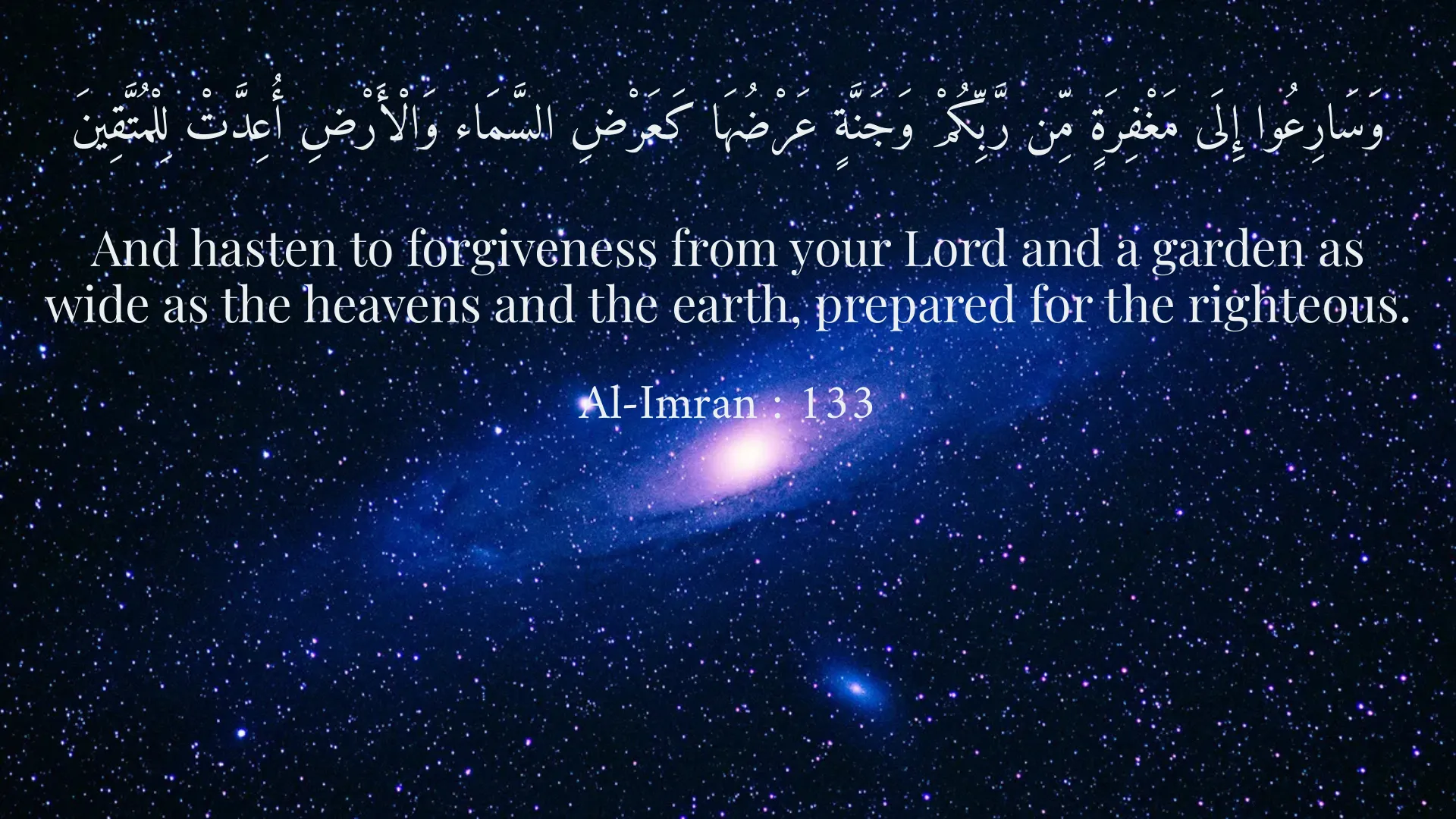
وَسَارِعُوا إِلَى مَغْفِرَةٍ مِّن رَّبِّكُمْ وَجَنَّةٍ عَرْضُهَا كَعَرْضِ السَّمَاء وَالْأَرْضِ أُعِدَّتْ لِلْمُتَّقِينَ
And hasten to forgiveness from your Lord and a garden as wide as the heavens and the earth, prepared for the righteous.
Al-Imran : 133
أَرَأَيْتَ الَّذِي يَنْهَىٰ عَبْدًا إِذَا صَلَّىٰ
Have you seen the one who forbids a servant when he prays?
Al-Alaq : 9
قَدْ أَفْلَحَ الْمُؤْمِنُونَ
Certainly, the believers have succeeded.
Al-Mu'minun : 1
Short Story
One day in the green meadows, a young man named Ali was deep in thought. He aspired to attain salvation and thus decided to turn to the verses of the Quran. He diligently studied the traits of the saved ones and found that the first step was genuine faith in God and performing good deeds. He said to himself, 'Every day, I will strive to get closer to God and take steps on the right path.' From that day onward, the concern of his life became the fulfillment of doing good deeds and increasing his faith to achieve salvation. From that day, he filled his life with the light of faith and hoped to reach what he longed for.