Quranic Answer
The Holy Quran, considered the literal word of God in Islam, offers profound guidance for various aspects of life, including the traits and behaviors of true believers. An exploration of the Quran reveals a clear definition of who these believers are and what constitutes their faith. This article aims to delve into the characteristics of true believers as outlined in various verses of the Quran, showcasing their resilience, moral integrity, and spiritual commitment. Believers, as depicted in the Holy Quran, are not simply individuals who profess their faith; they embody these principles in their daily lives. One of the fundamental aspects related to true believers is the steadfastness in their faith. This concept of steadfastness is beautifully articulated in Surah Al-Baqarah, verse 153, where Allah urges believers to seek help through patience and prayer. The directive to engage in prayer underscores the importance of maintaining a direct connection with Allah, especially during testing times. Patience serves as a vehicle through which believers can navigate life’s challenges, cultivating an inner strength that is paramount for spiritual growth. In Surah Al-Imran, verse 139, God reassures believers by stating, "And do not weaken and do not grieve, and you will be superior if you are believers." This profound verse emphasizes the need for resilience in the face of adversity. It highlights that true believers do not succumb to despair or feelings of hopelessness when confronted with life's trials. Instead, they are encouraged to remain hopeful and steadfast in their beliefs. This resilience contributes significantly to their superiority, as it reflects a profound sense of faith that is not easily shaken. Believers are invited to embrace their identity with courage and maintain their moral compass, even when confronted with adversities. Moreover, the characteristics of true believers are further elaborated upon in Surah Al-Mu'minun, verses 1 to 11. These verses serve as a comprehensive guide to the traits that believers should embody. Here, Allah describes traits such as humility during prayer, which is a vital component of genuine worship. Prayer is not merely a ritual; it is an opportunity for believers to express their devotion, seek guidance, and cultivate a relationship with their Creator. The emphasis on humility signifies the need for believers to recognize their dependence on God, fostering a spirit of gratitude and submissive worship. In addition to humility, the avoidance of falsehood is highlighted as another significant trait of believers. Truthfulness is a cornerstone of moral integrity, and believers are called to uphold honesty in every aspect of their lives. This commitment to truth transcends mere words; it manifests in actions and interactions with others. The avoidance of deceit not only fortifies one's relationship with God but also forms the basis for cultivating trust within families and communities, thereby strengthening the social fabric of society. Upholding trusts and responsibilities also emerges as a vital characteristic of true believers. This concept is particularly relevant in a world where transparency and accountability are increasingly essential. By honoring commitments and being reliable, believers demonstrate their adherence to moral principles that are foundational in Islam. This builds a sense of trust and respect, fostering harmonious relationships in both personal and professional spheres. The Quran encourages believers to engage in good deeds, highlighting the necessity of piety in their daily lives. The commitment to righteousness encompasses a range of actions, from simple acts of kindness to profound contributions to social justice. Believers are encouraged to actively seek Allah's pleasure through these good deeds, recognizing that they are not merely actions of outward morality but expressions of an inner commitment to faith. By engaging in deeds of kindness and charity, believers not only enhance their spiritual growth but also contribute positively to the welfare of society. This dual benefit serves to enrich the life of the believer while also addressing the needs of the community, creating a cycle of upliftment and goodness. The moral principles outlined in the Quran reflect a vision for an ideal society, where individual faith translates into collective betterment. True believers strive to apply these principles across all facets of their lives, including family, social, and economic relationships. Within families, believers seek to create environments grounded in love, respect, and mutual support, ensuring that the values of Islam are reflected in domestic interactions. Socially, they prioritize justice and compassion, advocating for the marginalized and striving for equity among all individuals, regardless of their background. Economically, believers are encouraged to practice fairness and honesty, avoiding exploitative practices, thus contributing to a balanced and ethical marketplace. In summary, the Holy Quran provides invaluable insights into the characteristics of true believers. Through steadfastness, patience, humility, truthfulness, and a commitment to good deeds, believers embody the principles of faith in their daily lives. These traits not only serve to enhance their spiritual connection with Allah but also play a crucial role in the betterment of society. Ultimately, true believers are those who adhere to the moral guidance present in the Quran, championing values that promote peace, justice, and compassion. The timeless lessons contained within these sacred verses continue to resonate and inspire individuals on their journey of faith, emphasizing the transformative power of true belief.
Related Verses
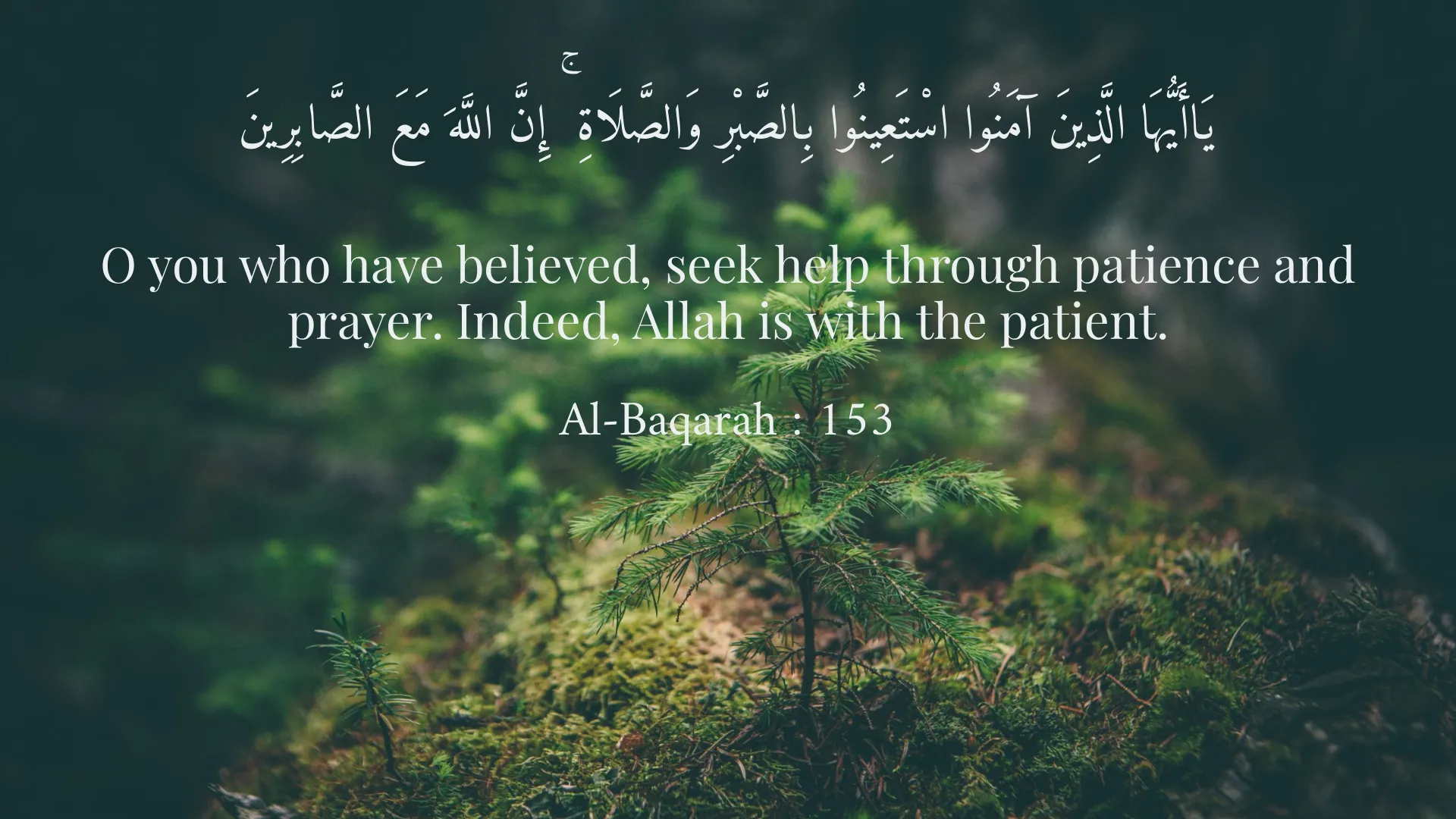
يَاأَيُّهَا الَّذِينَ آمَنُوا اسْتَعِينُوا بِالصَّبْرِ وَالصَّلَاةِ ۚ إِنَّ اللَّهَ مَعَ الصَّابِرِينَ
O you who have believed, seek help through patience and prayer. Indeed, Allah is with the patient.
Al-Baqarah : 153
وَلا تَهِنُوا وَلا تَحْزَنُوا وَأَنتُمُ الْأَعْلَوْنَ إِن كُنتُم مؤْمِنِينَ
And do not weaken and do not grieve, and you will be superior if you are believers.
Al-Imran : 139
قَدْ أَفْلَحَ الْمُؤْمِنُونَ
Certainly will the believers have succeeded.
Al-Mu'minun : 1
Short Story
One day, a man was sitting by the sea, pondering over the waves. He recalled the verses of the Quran and decided to become a true believer. He strived to be patient in every circumstance and not neglect performing good deeds. Days and nights passed, and he felt an unparalleled peace in his heart. This change in his behavior and attitude transformed not only his personal life but also impacted those around him.