Quranic Answer
The pursuit of divine pleasure is a fundamental aspect of human existence, deeply rooted in the teachings of the Holy Quran. Gaining God's satisfaction is consistently highlighted as one of the most significant aims that every believer should strive for throughout their life. To fully grasp the essence of this noble pursuit, one must delve into the Quranic principles, commandments, and the life of Prophet Muhammad (PBUH), which serve as roadmaps for attaining God's approval and mercy. At the core of earning God's satisfaction lies the adherence to His principles and commandments. The path to righteousness begins with a clear understanding of what constitutes a good deed in the eyes of Allah. The Quran emphasizes the importance of performing righteous acts as a paramount means to please God. Righteous deeds encompass a wide range of actions, including acts of worship, kindness towards others, integrity in dealings, and steadfastness in the face of life’s challenges. The Holy Quran does not merely suggest; it instructs believers on how to align their actions with divine expectations, thereby ensuring that their efforts resonate with God’s will. One of the profound illustrations of the characteristics of true believers can be found in Surah Al-Mu'minun, verses 1 to 11. Allah describes the qualities of those who earn His pleasure, shedding light on what it means to be a genuine believer. Among the fundamental traits mentioned is humility in prayer. Prayer (Salah) is not just a ritual; it is a direct means of communication with God. A humble heart acknowledges its dependence on its Creator, fostering a profound spiritual connection. Furthermore, giving zakat (charity) is another essential pillar of faith highlighted in these verses. Zakat serves as a reminder of the temporary nature of worldly possessions and the importance of helping those in need. By purging one's wealth through charity, believers not only cleanse their possessions but also open the door to Allah's blessings. In addition to zakat, voluntary charity (sadaqah) is equally significant in earning God's satisfaction, as it reflects one’s compassion and willingness to support others. Patience and endurance play critical roles in the life of a believer, especially when faced with hardships. The Quran repeatedly emphasizes that challenges are an inevitable part of life. Surah Al-Baqarah, verse 177, further stresses that true goodness is not merely about fulfilling rituals but also encompasses belief in Allah, the Day of Judgment, the angels, the Book, and the prophets. This holistic approach highlights that faith is integral to righteous actions. Believers must embody their faith through their choices, exhibiting resilience and trust in Allah's plan. This multifaceted aspect of life pushes individuals towards continual self-improvement, making them steadfast in their pursuit of goodness, even when faced with adversity. Furthermore, love and kindness towards others are paramount in gaining God’s satisfaction. In Surah Az-Zalzalah, verses 7 and 8, Allah asserts that every human being will be held accountable for their deeds. This accountability stresses the idea that actions have consequences, not only in the worldly realm but also in the hereafter. Encouragingly, this serves as motivation for believers to engage in acts of kindness towards others, emphasizing that every small act can carry significant weight in the eyes of God. For instance, a smile to a stranger, assisting the elderly, or extending a helping hand to those in distress can contribute greatly to one's standing with Allah. To invite others towards good deeds, Quranic teachings advocate for community support and the promotion of a positive environment. Encouraging one another in righteousness fosters a nurturing space where everyone can thrive spiritually and morally. Friends, family, and society as a whole should inspire individuals to uphold values that reflect the essence of divine teachings. The importance of honoring one's parents is another clear directive found in the Quran. This principle reinforces the idea that gratitude towards those who raise and support us is integral to a believer's journey. By treating parents with kindness and respect, believers can attain a higher status of righteousness, which is pleasing to God. The Quranic verses detailing the significance of parental respect further illustrate that gaining divine satisfaction often begins at home, through the relationships we cultivate with our family. In conclusion, the journey to achieving divine approval as emphasized in the Holy Quran is multi-dimensional, focusing on performing good and righteous acts, adhering to faith, and embodying love towards others. Engaging in acts of worship, practicing patience, respecting one’s parents, and assisting those in need are all integral to the quest for God’s pleasure. The teachings across various Surahs of the Quran serve as guiding lights, directing believers towards behaviors and mindsets that align with divine expectations. By committing to these principles and continually striving to grow in righteousness, believers not only set themselves on a path to personal fulfillment but also contribute positively to the broader tapestry of humanity. Through collective efforts in promoting goodness and distancing oneself from evil, every individual has the power to reflect the essence of divine approval, making the pursuit of God's satisfaction a shared, lifelong endeavor.
Related Verses
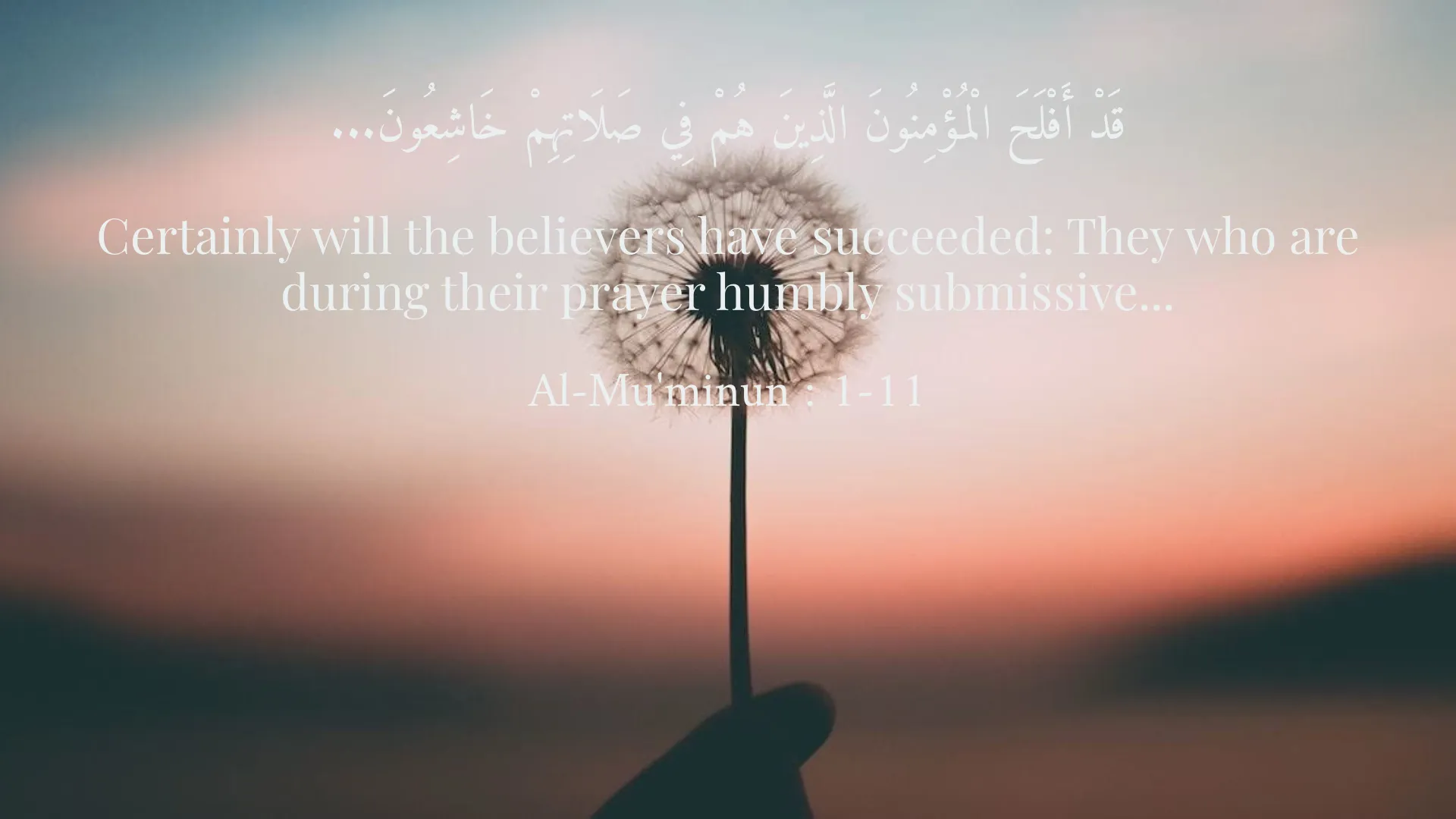
قَدْ أَفْلَحَ الْمُؤْمِنُونَ الَّذِينَ هُمْ فِي صَلَاتِهِمْ خَاشِعُونَ...
Certainly will the believers have succeeded: They who are during their prayer humbly submissive...
Al-Mu'minun : 1-11
لَيسَ الْبِرَّ أَن تُوَلُّوا وُجُوهَكُمْ قِبَلَ الْمَشْرِقِ وَالْمَغْرِبِ وَلكِنَّ الْبِرَّ مَنْ آمَنَ بِاللَّهِ وَالْيَوْمِ الْآخِرِ وَالْمَلَائِكَةِ وَالْكِتَابِ وَالْنَّبِيِّنَ...
Righteousness is not that you turn your faces toward the east or the west, but [true] righteousness is in one who believes in Allah, the Last Day, the Angels, the Scripture, and the Prophets...
Al-Baqarah : 177
فَمَن يَعْمَلْ مِثْقَالَ ذَرَّةٍ خَيْرًا يَرَهُ، وَمَن يَعْمَلْ مِثْقَالَ ذَرَّةٍ شَرًّا يَرَهُ.
So whoever does an atom's weight of good will see it, and whoever does an atom's weight of evil will see it.
Az-Zalzalah : 7-8
Short Story
One day in a remote area, a man named Ali lived, reflecting on how he could assist others while seeking God's satisfaction. He recalled the verses of the Quran and decided to help the poor while dedicating time for prayer and supplication. With complete sincerity, Ali continued this practice and soon noticed the blessings of Allah becoming evident in his life. He assured himself that by loving others and doing good to God's servants, he could win divine approval.