Quranic Answer
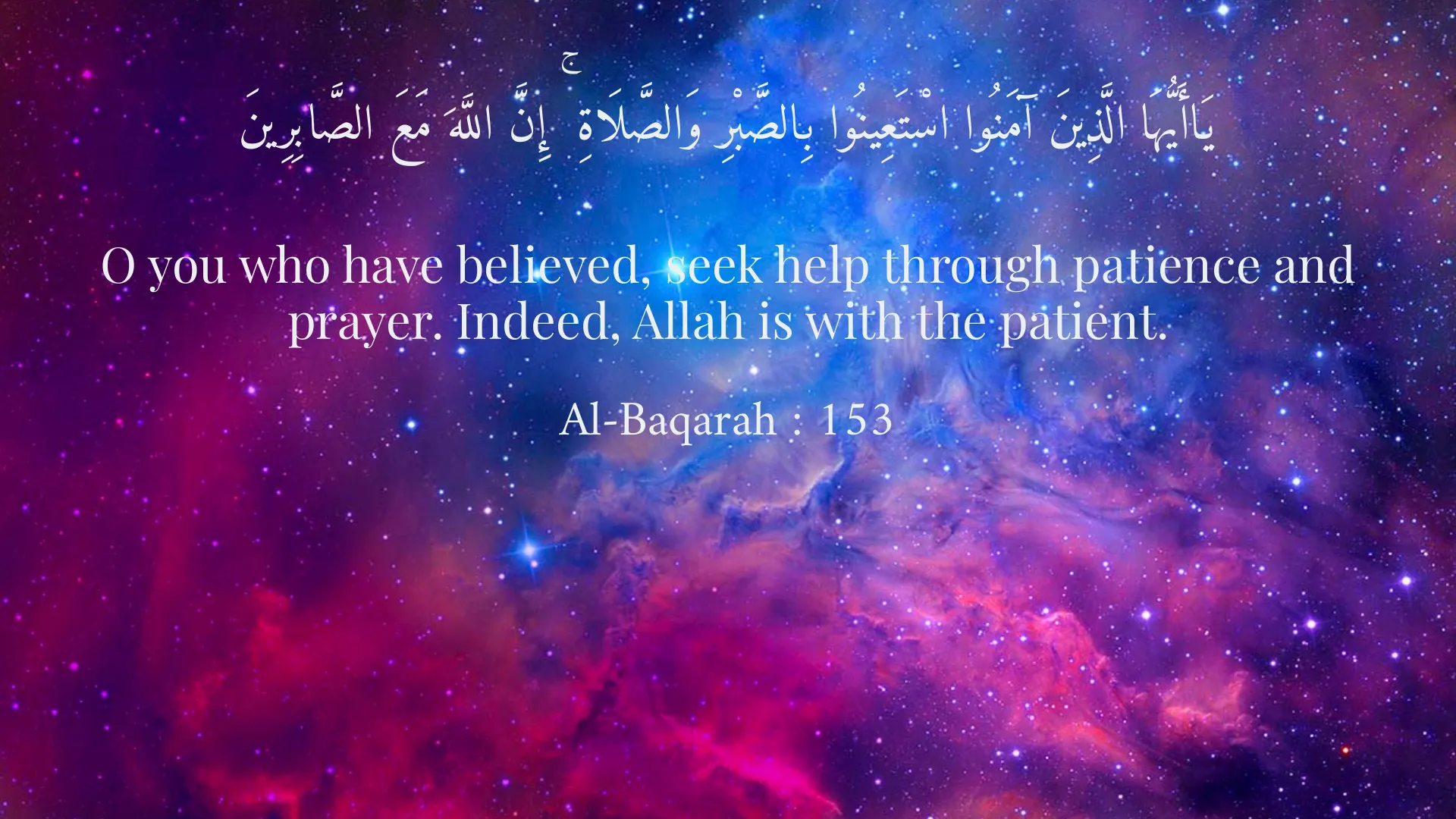
The Holy Quran, revered as the divine guide for humanity, beautifully encapsulates the essence of patience (Sabr) and gratitude (Shukr) as pivotal virtues in the lives of individuals. These two qualities, inherently linked, play significant roles in nurturing a strong and fulfilling relationship with God, fostering resilience, and promoting a sense of contentment amid the trials of worldly life. This article aims to delve into the Quranic teachings regarding patience and gratitude, analyzing their importance and interdependence in shaping a faithful and purposeful existence. Patience, as extolled in the Quran, signifies more than mere endurance; it embodies a resilient spirit that confronts difficulties with strength and a hopeful heart. In Surah Al-Baqarah, verse 153, Allah commands the believers: 'O you who have believed, seek help through patience and prayer. Indeed, Allah is with the patient.' This profound verse serves as a reminder that in times of hardship and adversity, the believer has a divine source of support if they embrace the quality of patience. The concept of Sabr finds its roots not merely in enduring hardships but in maintaining a positive outlook during trying times. It encourages believers to respond to adversity with perseverance and not succumb to despair. The Quran further emphasizes the rewards of patience, indicating that those who remain steadfast in the face of challenges will be recompensed abundantly in this life and the hereafter. Thus, patience allows an individual to cultivate inner peace and tranquility while reinforcing their connection to God, ultimately enhancing their faith. In conjunction with patience, gratitude emerges as another essential principle highlighted in the Quran. Allah states in Surah Ibrahim, verse 7: 'And if you are grateful, I will surely increase your favor; but if you deny, indeed, My punishment is severe.' This verse powerfully encapsulates the mutual relationship between gratitude and the abundance of blessings. Acknowledging and appreciating the countless favors bestowed by Allah cultivates a sense of fulfillment and satisfaction within an individual, enabling them to foster a heart filled with warmth and love. Gratitude, as prescribed in the Quran, is not merely a verbal expression of thanks but entails a deep-seated acknowledgment of God’s countless blessings. This realization leads believers to cherish every moment, recognizing that every breath, every provision, and every joy originates from Allah's mercy. As they develop an attitude of gratitude, individuals are more likely to experience contentment and serenity, which can undoubtedly lift their spirits amidst adversity. Both patience and gratitude, as fundamental virtues, nourish the depths of faith. When confronted with life’s inevitable challenges, patience provides the strength to endure, while gratitude enhances the believer's sense of appreciation for life's blessings. This combination cultivates inner peace, discouraging despair and affording a balanced perspective on life's ups and downs. Moreover, the interrelationship between patience and gratitude indicates that practicing one often facilitates the other. For instance, in times of trial, a grateful heart is more likely to reflect on the blessings in one's life, subsequently making it easier to remain patient. Conversely, enduring trials with a patient heart can deepen a person’s empathy and appreciation for the brighter moments and the bounties they possess. This dynamic interplay suggests that fostering one virtue naturally complements and bolsters the other, thereby enriching the believer's spiritual experience. The Quran beautifully narrates numerous stories of prophets who exemplified these virtues in their lives. Prophet Job (Ayyub), known for his extraordinary patience during immense suffering, serves as a timeless illustration of resilience. His unwavering faith amidst trials is a testament to the role of patience in sustaining a believer’s spiritual journey. Similarly, Prophet Muhammad (peace be upon him), the paragon of gratitude, frequently expressed thankfulness to Allah despite the adversities he faced. These examples provide powerful models for believers seeking to nurture patience and gratitude in their lives. In contemporary society, where the pace of life often engenders stress, anxiety, and dissatisfaction, the teachings of the Quran on patience and gratitude remain profoundly relevant. By adopting these virtues, individuals can navigate the complexities of modern life with a constructive mindset, focusing on their inner growth rather than external disruptions. Practicing patience allows for clarity in decision-making and reduces impulsive reactions, while cultivating gratitude fosters a positive outlook, engendering stronger bonds with fellow human beings and creating a harmonious community. Additionally, the spiritual dimension of patience and gratitude can be further deepened through prayer and supplication. Engaging in regular prayer, as directed by Allah, offers believers a space to seek solace in their struggles while reinforcing their resolve to maintain patience. Through prayer, one can express gratitude and reflect on the myriad of blessings that may often remain overlooked in the chaos of daily life. This spiritual engagement creates a circle of positivity, encompassing patience and gratitude, ultimately leading to a fulfilling existence. In conclusion, the Quranic teachings on patience and gratitude are essential pillars in the religious and spiritual lives of believers. They encourage resilience in the face of adversity and foster a mindset of appreciation for life’s myriad blessings. As patience enables endurance through struggles, gratitude enhances the overall sense of satisfaction and contentment, guiding believers on a path towards spiritual peace and fulfillment. Through the deliberate practice of these virtues, individuals can cultivate a serene heart and a strong connection to Allah, effectively navigating the challenges of life with grace and poise.
Related Verses
يَاأَيُّهَا الَّذِينَ آمَنُوا اسْتَعِينُوا بِالصَّبْرِ وَالصَّلَاةِ ۚ إِنَّ اللَّهَ مَعَ الصَّابِرِينَ
O you who have believed, seek help through patience and prayer. Indeed, Allah is with the patient.
Al-Baqarah : 153
وَإِن شَكَرْتُمْ لَأَزِيدَنَّكُمْ ۖ وَإِن كَفَرْتُمْ إِنَّ عَذَابِي لَشَدِيدٌ
And if you are grateful, I will surely increase your favor; but if you deny, indeed, My punishment is severe.
Ibrahim : 7
Short Story
One day, a man walking through a market was struck by a pleasant fragrance. He suddenly recalled the blessings of God and decided not only to express gratitude for these blessings but also to be patient in the face of difficulties. He realized how impactful these two traits would be in his life, and from that day on, he strived to maintain gratitude and patience in every situation.