Quranic Answer
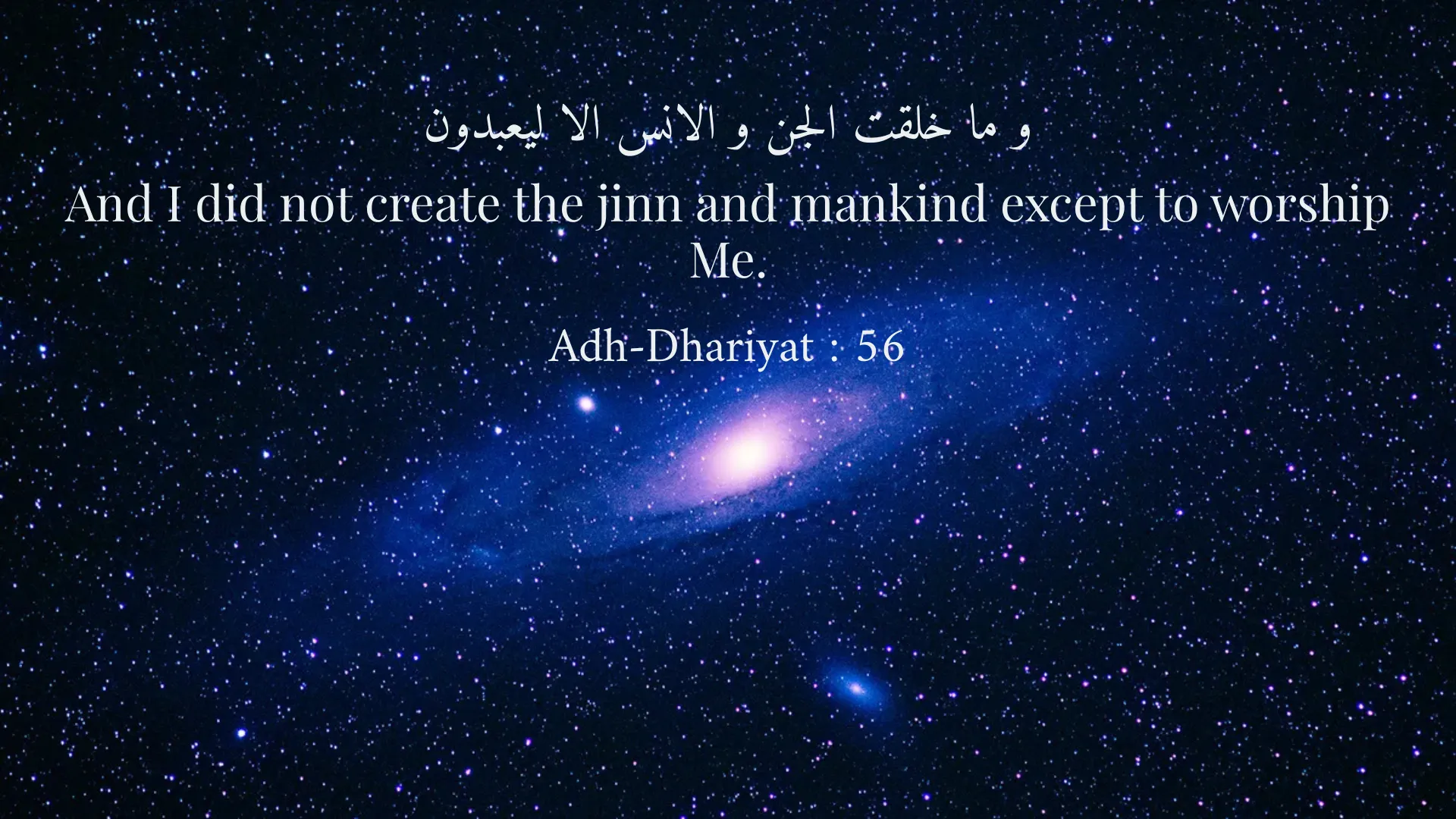
Drawing closer to Allah is a profound and significant concept in the Quran, serving as a central theme that resonates throughout the sacred text. The quest for this divine connection is not merely a personal endeavor but a communal aspiration that shapes the moral and ethical framework of Islamic life. The Quran frequently emphasizes the importance of connecting with Allah and articulates this notion in various verses, reminding believers of their purpose and responsibilities. One key verse in this context is verse 56 of Surah Adh-Dhariyat, which states, 'And I did not create the jinn and mankind except to worship Me.' This foundational verse indicates that the primary purpose of human creation is to establish a connection with Allah and to serve Him through worship. Worship, in Islam, is understood as a comprehensive term that goes beyond ritualistic practices; it encompasses all acts of obedience to Allah’s commandments, ethical conduct, and efforts to attain justice. Furthermore, in Surah Al-Baqarah, verse 186, Allah reassures His followers with the words, 'And when My servants ask you concerning Me, indeed I am near.' This verse serves as a poignant reminder that Allah is always present with His believers, watching over them, and understanding their innermost thoughts. The consistent reference to Allah’s proximity reinforces the essential belief that individuals are never alone in their struggles; Allah’s closeness offers comfort and hope, especially during challenging times. Drawing closer to Allah can be achieved through a multitude of personal acts of worship such as prayers (Salah), fasting (Sawm), and the recitation of the Quran. Each of these acts serves to purify the heart, instill discipline, and foster an environment conducive to spiritual growth. Salah, performed five times a day, is a direct form of communication with Allah, allowing individuals to express their gratitude, seek guidance, and cultivate mindfulness in their daily lives. Similarly, fasting during the month of Ramadan is a powerful means of spiritual reflection, fostering empathy towards the less fortunate, and sharpening one’s focus on divine worship. Beyond individual acts of worship, drawing closer to Allah also necessitates adherence to His commandments and striving to embody the values that promote good in society. Engaging in acts of kindness, helping those in need, and advocating for justice are all crucial components of a believer's journey toward Allah. The Quran frequently encourages believers to not only strengthen their personal relationship with Allah but also to create positive change in their communities through good deeds. In fact, with every step taken in goodness and piety, one becomes closer to Allah, cultivating an environment where faith is actively demonstrated through actions. Additionally, in Surah Al-Ma'arij, verse 19, it is mentioned, 'Indeed, mankind was created Weak,' which highlights the inherent fragility of the human condition. This acknowledgment of weakness signifies the necessity of seeking Allah’s assistance. Humans are encouraged to rely on divine support in their quest for righteousness and to recognize that true strength comes from faith and submission to Allah. Therefore, to achieve closeness to Allah, one must consistently seek to strengthen their relationship by engaging in good deeds and continuous repentance. Repentance (Tawbah) plays a pivotal role in Islam, enabling individuals to turn back to Allah after committing sins. The process of sincere repentance entails recognizing one’s errors, feeling remorse, and making a firm intention to amend one’s ways. Allah’s mercy and forgiveness are central themes in the Quran, assuring believers that no sin is too great for His forgiveness if they sincerely seek it. This continual cycle of repentance and striving reinforces the importance of humility and dependence on divine grace, further solidifying the relationship between the believer and Allah. Thus, drawing close to Allah means being fully present in worship, following His divine guidance, and serving humanity with a heart aligned to His will. It is a lifelong journey that requires consistent effort, reflection, and commitment. The relationship with Allah is not static; it evolves through experiences, challenges, and personal growth. Believers are called to cultivate an active heart, one that is aware of Allah’s presence in every aspect of life, making conscious efforts to embody the values of compassion, justice, and righteousness. In conclusion, the concept of drawing closer to Allah serves as the bedrock of a believer's life and offers a profound framework for personal and communal growth. By understanding that worship extends beyond rituals to encompass actions that serve humanity, believers can transform their lives into constant acts of worship. The Quran provides guidance, reassurances, and reminders of Allah's mercy and closeness, urging individuals to strive for a deeper connection with the Divine through prayer, good deeds, and repentance. Ultimately, the journey toward closeness to Allah is one of immense reward, both in this world and the Hereafter, inviting all to partake in the beauty and richness of faith.
Related Verses
و ما خلقت الجن و الانس الا لیعبدون
And I did not create the jinn and mankind except to worship Me.
Adh-Dhariyat : 56
و اذا سألك عبادی عنّی فانی قریب
And when My servants ask you concerning Me, indeed I am near.
Al-Baqarah : 186
انسان آفریده شده است کمخاصیت
Indeed, mankind was created weak.
Al-Ma'arij : 19
Short Story
One day, Mahdi was gazing at the sky and reflecting on God. He realized that connecting with God was not limited to prayers and supplications, but also involved doing good deeds and serving others. He decided to perform one good act each day, aiming to draw closer to Allah through this. Soon, he felt a greater sense of joy and peace in his life and committed himself to this decision.