Quranic Answer
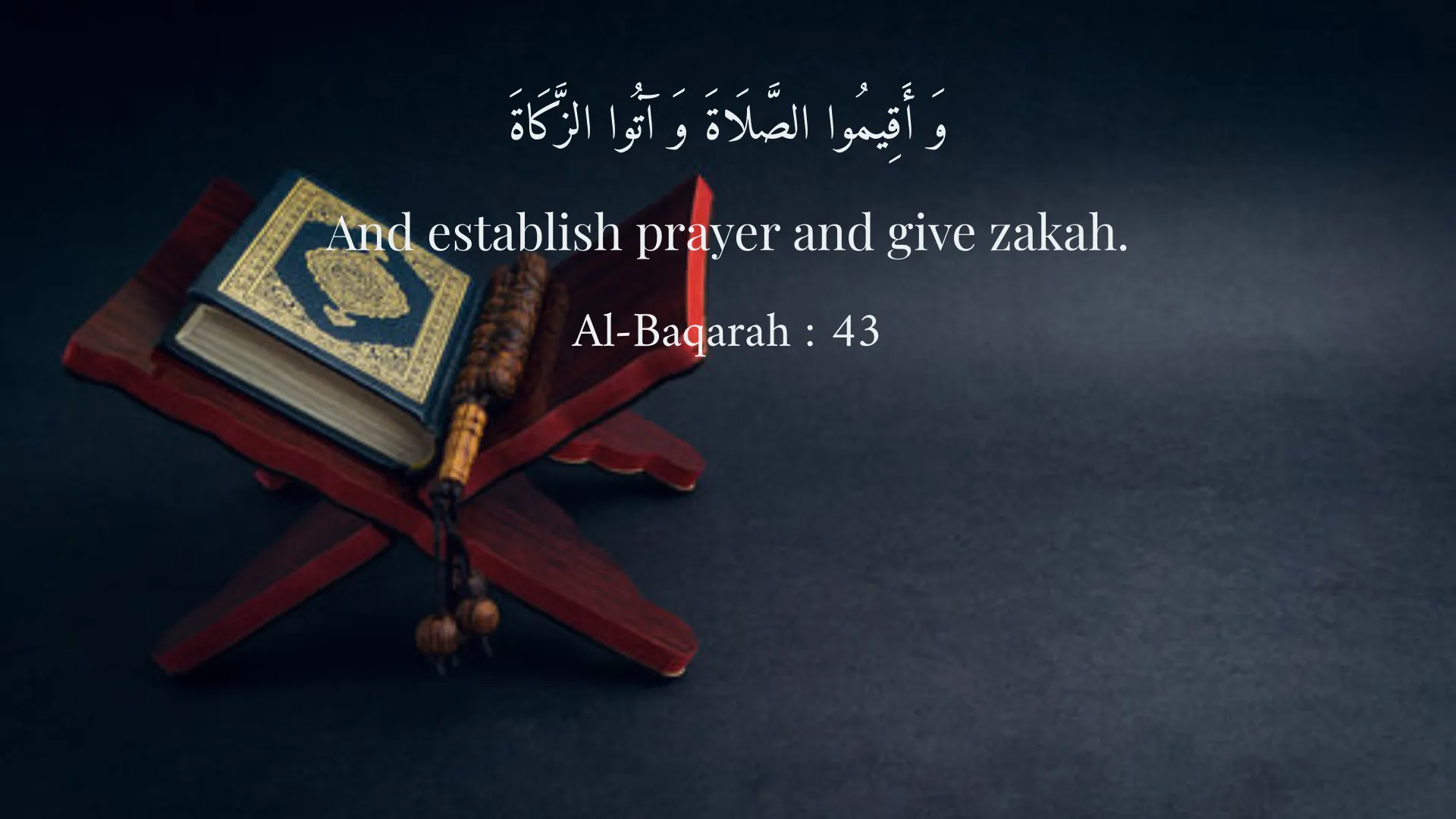
Prayer, known as Salah in Arabic, is one of the five pillars of Islam, fundamentally shaping the spiritual and social dimensions of a Muslim's life. It is not merely a ritual act performed five times a day but a profound, purposeful engagement with the divine. The significance of prayer is underscored in numerous verses of the Holy Quran, which highlight its essential role in the life of every believer. For instance, in Surah Al-Baqarah, verse 43, the Quran states: 'And establish prayer and give zakah', underlining the necessity of these acts for spiritual growth and moral responsibility. Through this verse, we understand that prayer (Salah) is not only an individual duty but a communal obligation that fosters a sense of social responsibility and interconnectedness among Muslims. The act of praying serves as a direct line of communication between an individual and Allah, granting believers the opportunity to seek guidance, solace, and forgiveness. It is during these moments of reflection and supplication that Muslims can express their deepest hopes and grievances, allowing for a release from the myriad stresses of daily life. In today’s fast-paced world, the structured breaks that prayer provides can be a source of immense relief. Throughout history, many have attested that prayer helps them navigate life's challenges and burdens, instilling a sense of purpose and direction. Moreover, another powerful reference in the Quran comes from Surah Al-Ankabut, verse 45, where it is said: 'Indeed, prayer prevents immorality and wrongdoing.' This assertion captures one of the fundamental spiritual outcomes of engaging in regular prayer. The act of praying instills discipline, fostering an awareness of moral accountability that steers individuals away from sinful behaviors and harmful actions. When a believer establishes a routine of prayer, they develop a heightened consciousness of Allah’s presence in their lives, which acts as a deterrent against engaging in immoral activities. In terms of personal spiritual growth, prayer purifies the soul by consistently reminding individuals of their relationship with the Almighty. It promotes self-reflection and meditation, allowing believers to assess their deeds and strive towards becoming better versions of themselves. Each prayer serves as an opportunity for renewal, encouraging Muslims to focus on their internal struggles and continuously seek improvement. Thus, prayer becomes a tool for spiritual cleansing, enhancing one’s character and fortifying their ethical framework. Furthermore, prayer plays a pivotal role in providing peace and mental clarity. In challenging situations, the act of remembering Allah through prayer can bring unprecedented tranquility and a sense of relief. Moments of stress and uncertainty often cloud the mind, leading to anxiety, but prayer serves as a means of grounding oneself. Scientific studies have explored the psychological benefits of prayer, particularly in facilitating relaxation and reducing stress levels. As Muslims engage with their faith, they often find that turning to prayer allows them to step back from their worries and find inner calm. The communal aspect of prayer can also not be overlooked. When Muslims come together for congregational prayers, such as the Friday service (Jumu'ah), it fosters community cohesion and solidarity. This shared experience reinforces social bonds and instills a sense of belonging among believers. The act of praying in congregation highlights the principles of unity, cooperation, and social harmony, serving as a reminder of the larger ummah (community of Muslims) that transcends geographical, cultural, and linguistic differences. This communal worship is central to sustaining a vibrant Islamic community, where individuals support one another in both spiritual and material pursuits. In contemporary society, amidst tensions and divisions, the practice of joint prayer can serve as a powerful statement of unity. The gatherings at mosques are often punctuated with messages of peace and reconciliation, symbolizing the potential for collaborative efforts among diverse individuals who share the same faith. Through prayer, collective values and goals are nurtured, strengthening the fabric of community life. In conclusion, prayer occupies a critical position in the Islamic faith and the lives of Muslims. It serves as a bridge connecting individuals to Allah, promoting spiritual growth, personal accountability, and ethical living. Moreover, as both a personal practice and a communal ritual, prayer cultivates peace, resilience, and unity within the Muslim community. Understanding the significance of prayer in Islam is essential not only for those who practice the faith but also for fostering a more compassionate and interconnected world. Ultimately, prayer serves as more than a fundamental pillar of Islam; it is a profound expression of faith, resilience, and communal harmony, emphasizing the importance of spiritual fulfillment in fostering both personal and collective well-being.
Related Verses
وَ أَقِيمُوا الصَّلَاةَ وَ آتُوا الزَّكَاةَ
And establish prayer and give zakah.
Al-Baqarah : 43
إنّ الصلاةَ تَنْهَى عن الفَحْشاء و المُنكَر
Indeed, prayer prevents immorality and wrongdoing.
Al-Ankabut : 45
Short Story
One day, a man named Ali lived away from the city. Due to daily busyness, he did not pay enough attention to prayer. One day, he remembered the Quran and decided to establish daily prayers. After a while, he noticed that his life had changed, and he felt a greater peace in his spirit. He also reminded others of prayer times, which in turn made his community better and filled with love.