Quranic Answer
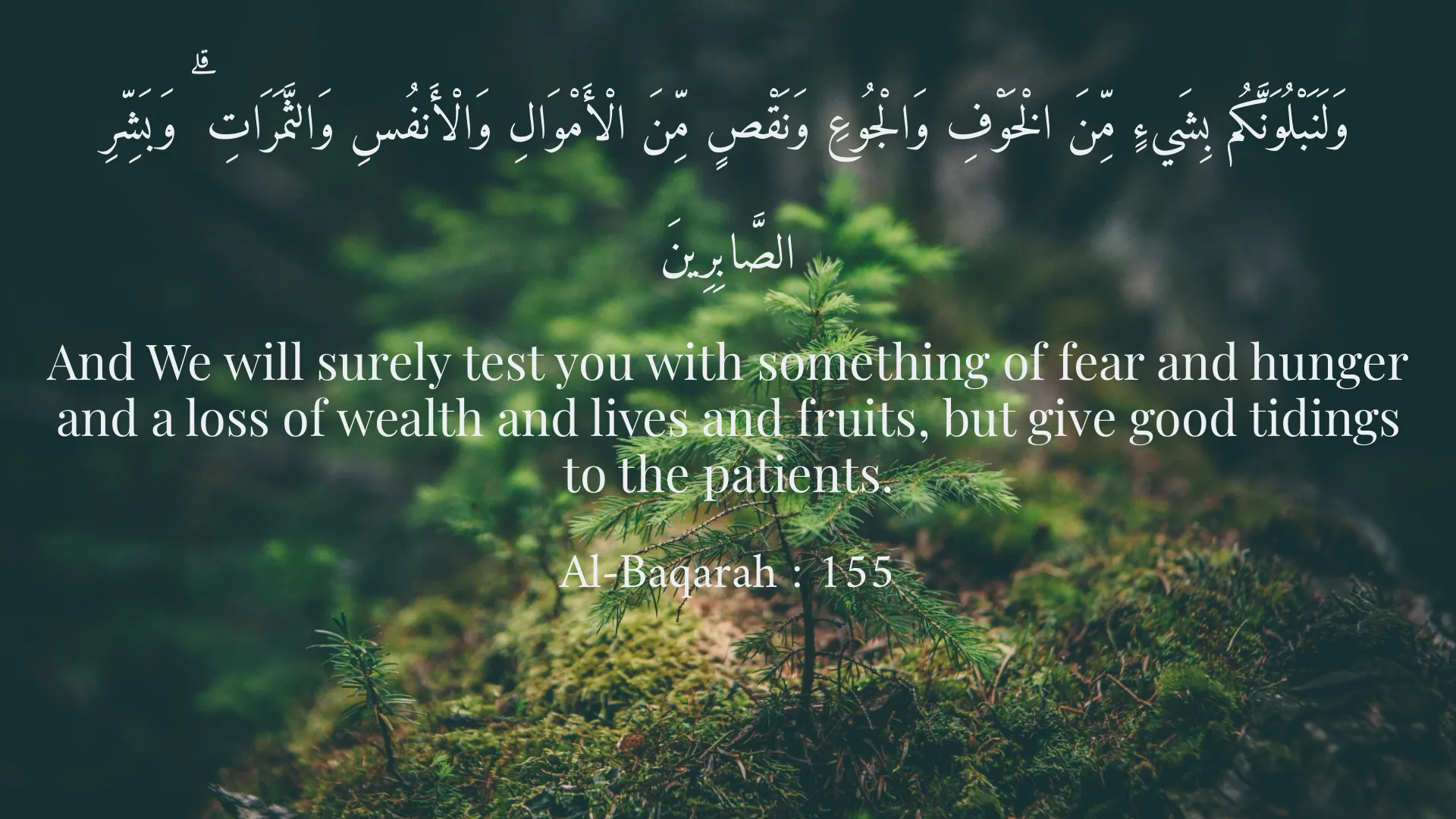
The philosophy of divine tests, as articulated in the Holy Quran, is a profound topic that delves into the relationship between humanity and the divine. Tests in this context can be seen as a mechanism through which Allah desires to assess the faith and perseverance of His servants. They serve not only as challenges but as catalysts for spiritual growth and self-improvement. In Surah Al-Baqarah, verse 155, Allah highlights this idea explicitly, stating: "And We will surely test you with something of fear and hunger and a loss of wealth and lives and fruits, but give good tidings to the patients." This verse is a reminder that trials encompass various aspects of life, including emotional distress, physical needs, economic challenges, and the loss of loved ones, but it also emphasizes the blessings that come with patience during these tough times. The mention of fear and hunger in this verse encapsulates two fundamental human experiences that challenge not only individual resolve but also the collective spirit of a community. Fear often leads to uncertainty, while hunger is tied closely to tangible survival. It's in facing these challenges that faith can be tested and reaffirmed. The phrase "but give good tidings to the patients" is significant, underlining the Quranic principle that patience is a virtue that leads to reward. This is a recurring theme throughout the Quran, where believers are reminded that perseverance in the face of trials is not just commendable but necessary for spiritual elevation. Moreover, the Quranic perspective posits that tests are not merely obstacles but opportunities for growth. In Surah Al-Imran, verse 186, Allah states: "Indeed, you will be tested in your properties and lives." This reaffirms that worldly life, with its myriad of trials, is an essential part of God’s plan for spiritual growth. One could argue that the tests are designed to provoke thought, reflection, and ultimately transformation in one's character and relationship with their Creator. In essence, divine tests serve to elevate the servant's soul and draw them closer to Allah. They compel believers to engage in self-reflection, assessing their own resilience and understanding of faith. With every challenge faced, there is an opportunity to demonstrate trust in Allah’s plan, thereby deepening one’s relationship with the divine. This reflects a beautiful paradox in which the hardest trials can forge the strongest faith. A theological interpretation of these tests indicates that they are a manifestation of Allah’s mercy. Since His ultimate desire is for humanity to attain success and salvation, the trials serve as a means through which believers can cleanse their souls from sin, develop strength in adversity, and cultivate a greater sense of empathy towards others experiencing similar hardships. It fosters a sense of community resilience as individuals unite under shared experiences of trial and endurance. For instance, consider the life of Prophet Job (Ayyub), a figure revered in Islamic tradition. His life was marked by extreme tests, yet his unwavering faith and patience in the face of severe tribulation epitomize the ideal response to divine tests. His story exemplifies that faith can not only withstand adverse circumstances but can flourish as a result of them. Allah eventually rewarded Job for his steadfastness, illustrating the ultimate purpose behind trials: spiritual elevation and divine rewards. Furthermore, one could argue that the experience of facing tests and trials in life fosters a deeper connection with others. When individuals endure hardships, they often find themselves turned toward community and support. This is particularly relevant in a society that can sometimes foster isolation. By sharing their struggles, individuals not only develop stronger bonds with each other but also create spaces for growth and solidarity built on shared experiences. The Quran encourages such solidarity, as seen in numerous verses advocating for compassion, support, and care for one another in times of need. The collective experience of tests reinforces the teachings of Islam that encourage believers to work together, lift each other up, and strengthen communal ties. This shared journey of enduring trials can inherently result in greater awareness and understanding of one’s surroundings and the struggles faced by others, fostering a more compassionate and empathetic society. Additionally, the notion of divine tests raises questions about how believers respond to adversity. In today’s world, where challenges can feel overwhelming—with economic instability, social injustice, and personal tribulations—the Quran offers guidance on maintaining faith through patience. The emphasis on patience is not merely passive endurance but an active and engaged form of coping where individuals are encouraged to seek solace in prayer, community support, and acts of charity and kindness. This proactive approach underscores the importance of action during testing times, suggesting that believers are not just to wait for relief but to take initiative in their faith and in helping others. This approach embodies the essence of the teachings of the Quran where believers do not merely survive tests but strive to thrive through them. In conclusion, the philosophy behind divine tests as conveyed in the Holy Quran is a multifaceted exploration of faith, perseverance, and growth. It presents trials as both assessments of faith and opportunities for spiritual elevation. Life's challenges, as portrayed in Quranic verses, serve to strengthen believers' resolve and compassion, both for themselves and for others in their communities. With patience as a guiding principle, believers are encouraged to face trials head-on, ultimately viewing them as pathways to greater closeness with Allah. By embodying these teachings, one can navigate the complexities of worldly life with resilience, armed with a deeper understanding of the divine wisdom behind their experiences.
Related Verses
وَلَنَبْلُوَنَّكُم بِشَيءٍ مِّنَ الْخَوْفِ وَالْجُوعِ وَنَقْصٍ مِّنَ الْأَمْوَالِ وَالْأَنفُسِ وَالثَّمَرَاتِ ۗ وَبَشِّرِ الصَّابِرِينَ
And We will surely test you with something of fear and hunger and a loss of wealth and lives and fruits, but give good tidings to the patients.
Al-Baqarah : 155
إِنَّكُمْ سَتُبْتَلَوْنَ فِي أَمْوَالِكُمْ وَأَنفُسِكُمْ
Indeed, you will be tested in your properties and lives.
Al-Imran : 186
Short Story
Once upon a time, there was a man named Hassan who lived in a small village. Hassan was a faithful and patient individual who faced various challenges in life. He always remembered God and turned to prayer and supplication during hardships. One day, he was informed that a servant of God was facing a severe test. Hassan recognized this examination as a reflection of divine tests and earnestly prayed and remained patient. After a while, God's mercy came upon him, and Hassan realized that this trial was not only meant to ask him for patience but also a way to draw closer to God. From that day on, Hassan continued his devotion and perseverance in the face of challenges, always living with the understanding that every divine test was an opportunity for growth and strengthening of his faith.