Quranic Answer
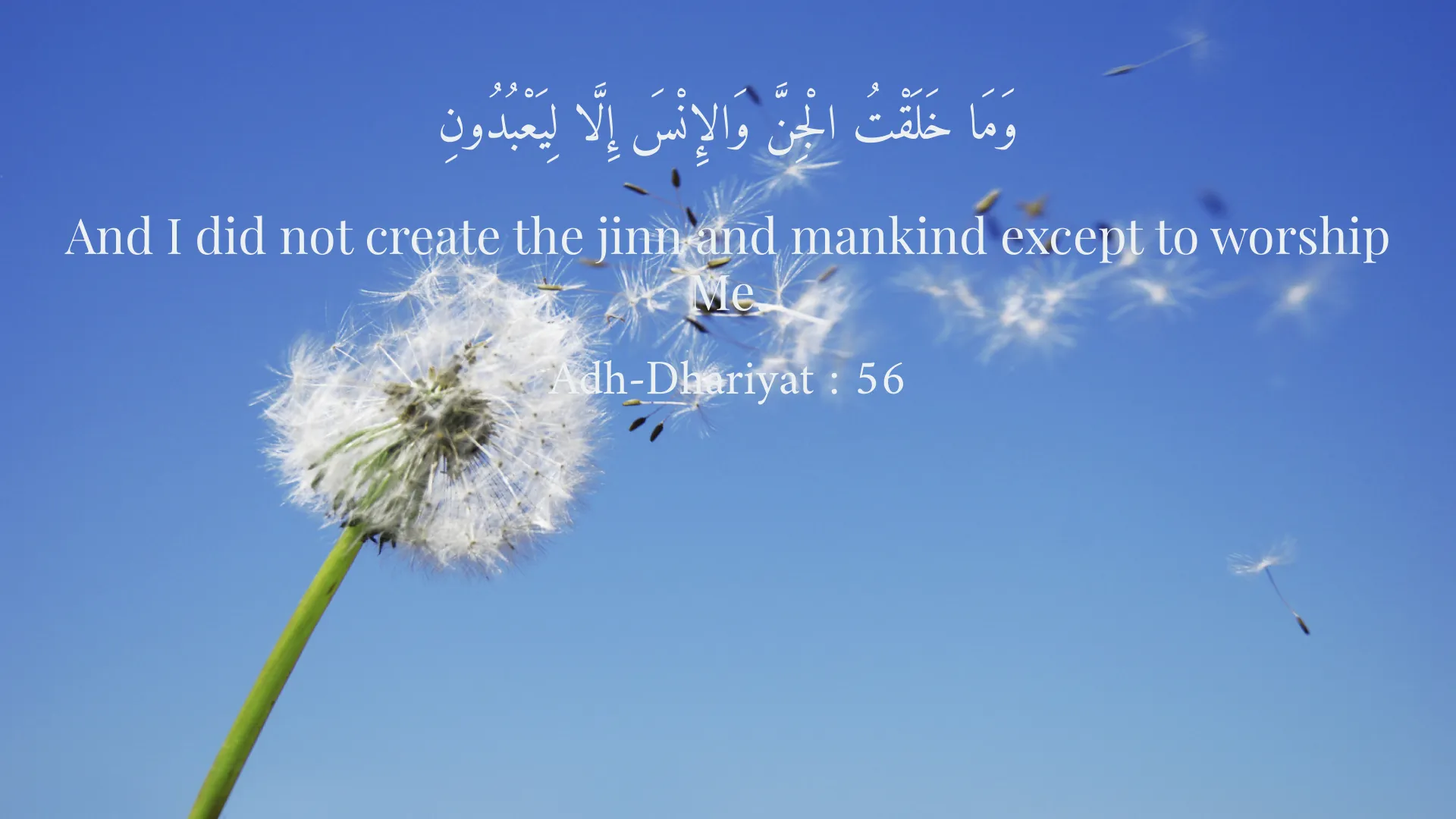
The purpose of life is a question that has intrigued humankind for centuries, prompting philosophical inquiries, ethical debates, and spiritual reflections. In the journey to understand this profound query, many turn to religious texts for wisdom and guidance. One such source is the Holy Quran, which offers clear insights into the significance of existence and the goals individuals should pursue during their time on earth. Among the primary aims outlined in the Quran is the worship and service of Almighty God. This is distinctly emphasized in Surah Adh-Dhariyat (Chapter 51), verse 56, where Allah states, 'And I did not create the jinn and mankind except to worship Me.' This verse succinctly encapsulates the core philosophy of life according to Islamic belief: the ultimate purpose of existence is servitude and devotion to God. The concept of worship transcends mere ritualistic practices. In Islam, worship encompasses a broad spectrum of actions, thoughts, and intentions that align with pleasing God. It includes acts of prayer, charity, kindness, honesty, and striving for justice in society. Additionally, worship is not confined to an individual's relationship with God alone; it extends to one's interactions with fellow beings, emphasizing that service to humanity is an integral part of serving God. Another important Quranic verse is found in Surah Al-Imran (Chapter 3), verse 185, which states, 'And every soul will be fully compensated for what it has earned.' This declaration underscores a fundamental principle of moral accountability in life. Individuals are assessed based on their actions, and this principle of divine justice encourages believers to live their lives with awareness of their decisions and conduct. The notion of recompense further strengthens the idea that one's efforts in worship and good deeds hold significance in the eyes of the Creator. From these verses, it becomes evident that the path to a fulfilling life is paved with obedience to God and a relentless pursuit of good deeds. Muslims are encouraged not only to focus on personal piety but also to channel their energies into efforts that contribute positively to society. The Quran's teachings advocate for a holistic approach—one that combines spiritual devotion with tangible social reform. Moreover, the Quran stresses the importance of love and peace, encouraging believers to cultivate these virtues in their interactions with others. The prophetic tradition is rich with teachings about the importance of community, charity, and compassion. For instance, the Prophet Muhammad (peace be upon him) emphasized the significance of empathy, stating that one does not truly believe until they wish for others what they wish for themselves. This principle reflects the Quranic ideal of fostering goodwill, love, and understanding among individuals. As individuals aim to serve God and society through their actions, they embark on a journey towards achieving human perfection. This quest is not merely individualistic; it is a collective endeavor that nurtures a spirit of collaboration, mutual support, and shared responsibility. Cultivating noble ethics, performing good deeds, and striving to uplift those in need are essential components of this journey. In doing so, an individual not only finds personal fulfillment but also plays a crucial role in advancing the greater good within their community. According to Islamic eschatology, the ultimate goal of this journey is to attain paradise—a state of eternal peace and happiness in the presence of God. The Quran offers vivid descriptions of the rewards awaiting those who live righteously and strive for goodness. The notion of salvation transforms life's purpose into an achievable quest, reinforcing the idea that every effort counts in the eyes of God. In addition to the individual dimensions of worship and service, the Quran's teachings extend to the broader implications of one's actions for society. Engaging in efforts to reform social injustices, alleviate suffering, and promote equity is not just a recommendation but a religious obligation. History echoes the call of the Quran as numerous prophets, messengers, and righteous individuals have dedicated their lives to addressing societal issues, advocating for peace, and striving for collective well-being. As we consider our lives in the context of these teachings, it becomes evident that embracing the purpose of worship and striving for good deeds requires a deep commitment and ongoing effort. It challenges individuals to constantly reflect on their intentions, seek knowledge, and develop a strong moral compass that guides their behavior. Life becomes a holistic experience where every action, no matter how small, is infused with purpose and reverence. Ultimately, a life dedicated to the worship of God and the betterment of society is a transformative journey that carries immense rewards—both in this world and the hereafter. Through the lens of the Quran, believers are called to recognize their potential, contribute to their communities, and foster relationships filled with love and respect. In pursuit of these ideals, individuals are not only fulfilling their divine purpose but also creating a legacy that echoes through the lives of those they touch. In conclusion, the teachings of the Holy Quran elucidate the purpose of life as a calling to worship and serve God while actively engaging in the upliftment of humanity. The example set forth in the Quran motivates believers to incorporate love, peace, ethical conduct, and community service into their daily lives. Through these efforts, individuals move towards personal perfection and contribute to building a harmonious society, ultimately guiding themselves toward eternal salvation.
Related Verses
وَمَا خَلَقْتُ الْجِنَّ وَالإِنْسَ إِلَّا لِيَعْبُدُونِ
And I did not create the jinn and mankind except to worship Me.
Adh-Dhariyat : 56
وَتُجزَى كُلُّ نَفْسٍ مَّا كَسَبَتْ
And every soul will be fully compensated for what it has earned.
Al-Imran : 185
Short Story
Once, a young man named Kamran felt lost in the busy and challenging world of life. He often pondered the true purpose of life. One day, while reading the Quran, he came across the verse 'And I did not create the jinn and mankind except to worship Me.' This verse illuminated for him that the main goal of life is to worship God and serve others. With this understanding, he decided to participate in social and charitable works and to give more attention to his parents. Ultimately, he realized that his life transformed and he found a deeper peace.