Quranic Answer
The popularity of worship in the Islamic faith is a multifaceted phenomenon that can be analyzed through various lenses. It is a dynamic interplay of individual intention, communal practices, and textual references that sustain and amplify the popularity of acts of worship such as prayer, fasting, almsgiving, and pilgrimage. These practices not only provide believers a means to connect with Allah but also serve as vehicles for spiritual growth, moral rectitude, and inner peace. Understanding the underlying factors contributing to the popularity of these acts requires a deeper exploration into the teachings of the Quran, as well as the lived experiences of believers. The Role of Intention in Worship One of the pivotal elements influencing the popularity of worship is 'niyyah' or intention. In Surah Al-Baqarah, Verse 187, Allah emphasizes this through His words: "I only fast for Me." This brief but profound statement encapsulates the essence of worship in Islam—the direct relationship between the worshipper and Allah. When an individual engages in an act of worship with a sincere intention to please Allah, the spiritual benefit transcends the physical action itself. This sincerity enhances not only the intrinsic value of the act of worship but also strengthens the bond between the believer and their Creator. The implications of this significance are profound. It suggests that the popularity of an act of worship may not solely hinge on its external manifestations but also on the internal states of the individuals performing them. The clarity of purpose and the desire for spiritual fulfillment can amplify commitment and engagement with various forms of worship. Accordingly, individuals may feel more drawn towards acts of worship that are accompanied by a clear, God-centered intention, transforming religious observances into meaningful aspects of their daily lives. Humility in Worship Another critical factor in the popularity of worship is the emotional and spiritual state of the worshipper during these acts. Surah Al-Mu’minun, Verses 1-2, states: "Indeed, the believers have succeeded. They who are during their prayer humbly submissive." This verse highlights the state of humility as a contributing factor to successful worship. Humility enables the worshipper to acknowledge their dependency on Allah, bringing forth an authentic sense of devotion. The act of prayer, in particular, serves as a historical battlefield where dualities of self versus surrender come into play. Believers are encouraged to approach prayer not simply as a ritual but as a profound act of submission. This emotional state can significantly amplify the effect of prayer on the individual's soul. The experience of humility during worship can foster a greater sense of gratitude and awareness of one's own imperfections, making the act even more appealing and meaningful. The cultivation of humility as a regulative principle serves to boost communal engagement in acts of worship. When individuals witness others exhibiting sincere devotion and humility during prayer, it can encourage them to emulate such behavior. This kind of social reinforcement can thus enhance the popularity of prayer within communities, fostering an environment where individuals feel motivated to engage in worship collectively. Divine Rewards in Worship The desire for divine rewards also contributes significantly to the popularity of acts of worship. Surah At-Tawbah, Verse 111 states: "Indeed, Allah has purchased from the believers their lives and their properties; for that, they will have Paradise." The promise of Paradise acts as a significant motivational force for believers. This verse not only assures them of immense rewards but also establishes a framework of reciprocity between Allah and His servants—where acts of worship are exchanged for divine favor and eternal bliss. In Islamic theology, this notion of exchange is deeply rooted in the belief that sincerity in worship does not go unnoticed by Allah. The realization that each prayer, each act of charity, and each fast carries profound spiritual weight can inspire believers to engage more fervently in worship. Additionally, the consciousness of divine rewards often adds another layer of significance to worship; it instills hope and commitment in the hearts of believers, preventing their faith from waning. This sense of hope is essential for a thriving community, where the acts of worship become tools for building a collective identity and shared purpose. The Psychological and Spiritual Benefits of Worship The popularity of acts of worship can also be attributed to their psychological and spiritual benefits. Engaging in prayer, fasting, and other forms of worship has been shown to contribute positively to mental health and emotional well-being. The act of praying five times a day provides a structure to daily life and an opportunity for self-reflection. It promotes mindfulness, which is essential in overcoming daily stressors. Moreover, fasting during the month of Ramadan is not merely about abstaining from food and drink; it serves as a transformative experience that encourages empathy towards those who are less fortunate. The collective act of fasting can instill a sense of community, unity, and shared purpose, further enhancing its popularity among believers. Almsgiving, too, embodies the spirit of giving and is revered for its role in purifying one's wealth while promoting social equality, invigorating the moral compass of believers. Transforming Worship into an Integral Part of Daily Life Ultimately, the desirability of worship is rooted in the capacity of these acts to help individuals forge meaningful connections with Allah and, subsequently, with their communities. The interaction of intention, humility, and the prospect of divine reward create an environment in which worship is not perceived merely as an obligation but as an integral part of an individual's existence. For many believers, acts of worship become cherished rituals, marking significant moments in their days and lives. When fueled by personal experiences of connection to God, these actions can lead to profound inner peace and spiritual fulfillment, making them beloved aspects of daily life. This deep-seated affection for worship reinforces its popularity across generations, as each individual experiences the timeless pleasure of engaging with their faith. In summary, the prevalence and popularity of certain acts of worship in Islam stem from a complex interplay of intention, humility, and a desire for divine rewards, all reinforced by significant psychological benefits. The Quran elucidates these themes beautifully, providing pathways for believers to draw closer to Allah and fostering a sense of community through shared religious experiences. As worship becomes an integral aspect of life, it not only shapes individual identities but also reinforces communal bonds, making Islam a living, vibrant faith for millions around the world.
Related Verses
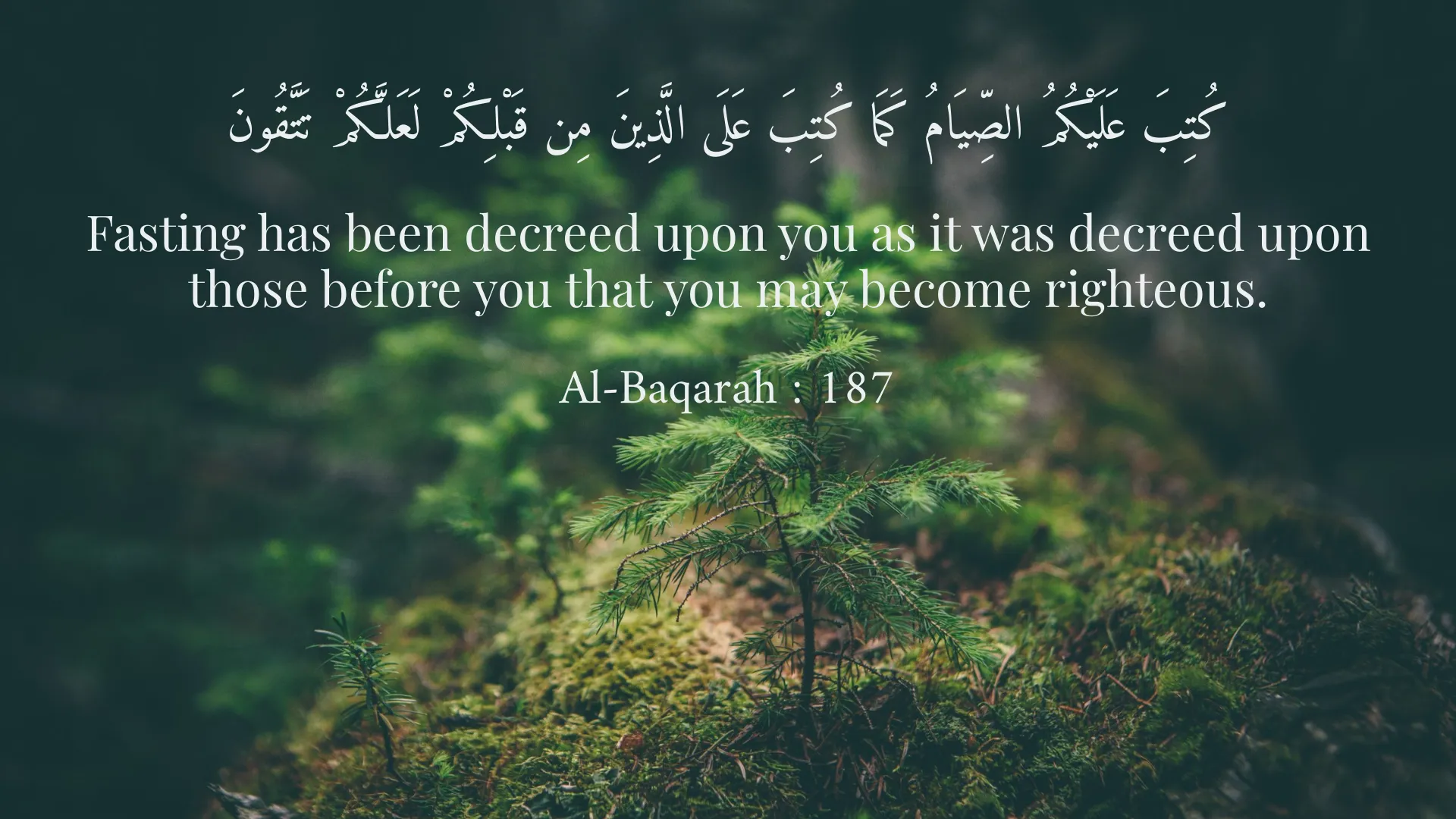
كُتِبَ عَلَيْكُمُ الصِّيَامُ كَمَا كُتِبَ عَلَى الَّذِينَ مِن قَبْلِكُمْ لَعَلَّكُمْ تَتَّقُونَ
Fasting has been decreed upon you as it was decreed upon those before you that you may become righteous.
Al-Baqarah : 187
قَدْ أَفْلَحَ الْمُؤْمِنُونَ
Certainly will the believers have succeeded.
Al-Mu’minun : 1
إِنَّ اللَّهَ اشْتَرَى مِنَ الْمُؤْمِنِينَ أَنفُسَهُمْ وَأَمْوَالَهُمْ بِأَنَّ لَهُمُ الْجَنَّةَ
Indeed, Allah has purchased from the believers their lives and their properties; for that, they will have Paradise.
At-Tawbah : 111
Short Story
In a not-so-distant past, there was a man named Hasan who valued his prayers but always neglected fasting and giving alms. One day, a religious scholar told him, 'Hasan, do you not know that fasting is an act of worship that brings you closer to Allah?' These words impacted Hasan, and he resolved to take fasting seriously alongside his prayers. After some time, Hasan found greater peace and realized that acts of worship had blessed his life abundantly.