Quranic Answer
Skepticism towards God is a complex phenomenon that arises from various factors, including negative personal experiences, a lack of knowledge about religious teachings, or mental and spiritual struggles. Many individuals grapple with their faith, particularly when confronted with life's harsh realities. Misfortunes such as fear, hunger, loss of wealth, and death often trigger questions regarding God's existence and benevolence. People search for answers in the face of suffering, and some may conclude that a higher power does not exist, while others wrestle with their beliefs. The Holy Quran offers profound insights into the nature of suffering and tests of faith. It continuously emphasizes that life's hardships are not meaningless; rather, they serve a significant purpose in the divine scheme. Surah Al-Baqarah, verse 155 states: 'And We will surely test you with something of fear and hunger and loss of wealth and lives and fruits, but give good tidings to the patient.' This verse is a reminder that trials and tribulations are inherent to human existence and that they are, in fact, tests from God designed to assess one's faith and patience. The emotional toll of suffering can lead some to doubt God's existence. When individuals find themselves in situations filled with fear and hunger, they may struggle to link their pain with the concept of a wise and benevolent deity. In these moments of struggle, questions arise: If God is all-powerful and loving, why would He allow such suffering? The disconnect between human suffering and divine wisdom can create a ground for skepticism. However, the Quran advocates for a different perspective on hardship. Instead of viewing trials as punishments or signs of God's absence, the text invites believers to see them as opportunities for spiritual and personal growth. The virtues of patience and perseverance are central themes throughout the Quran, where individuals are encouraged to maintain their faith even in the face of adversity. This mindset promotes resilience and aids believers in enduring life's challenges with grace. Moreover, the Quran suggests that while suffering can be a test, it can also be a direct consequence of one's actions. In Surah Al-Mu’minun, verse 113, it is stated: 'Indeed, Allah only punishes them for what they have earned.' This verse indicates a significant theological perspective—that suffering can be the outcome of one's choices or deeds, thereby prompting individuals to reflect on their actions. This viewpoint also emphasizes that skepticism about God may stem from a failure to deeply engage with religious teachings or to fully understand the transformative nature of faith. When believers lack knowledge of their faith, particularly concerning the purpose of suffering, they may become disheartened, leading to skepticism. It is crucial for individuals to explore their beliefs in depth, to educate themselves on theological teachings, and to seek guidance during times of distress. Through a profound understanding of religious texts, one can cultivate a more nuanced view of suffering and the divine, illuminating the path towards a stronger, more resilient faith. In life's journey, awareness leads to enlightenment. Many believers find solace in their faith when they confront challenges—whether through prayer, community, or personal reflection. True faith often flourishes amidst hardship, turning trials into stepping stones for growth. The Quran highlights that every test carries the potential for deeper understanding, self-discovery, and a closer connection to God. The active integration of patience in the face of suffering creates a sense of purpose for believers. It becomes a journey of transformation, one that can encourage outreach to others who are similarly struggling. This collective experience lays the groundwork for a supportive faith community, which acts as a sanctuary for those grappling with doubt or hardship. Through shared stories and collective resilience, individuals can reinforce their beliefs, recognizing that they are not alone in their struggles. Additionally, it is important to acknowledge that mental health plays a significant role in how individuals experience and interpret suffering. Many face mental health challenges that can skew their perspectives on faith and God. Those enduring anxiety, depression, or trauma may find it increasingly difficult to maintain their beliefs, sometimes leading them toward skepticism. Understanding mental health as part of the faith narrative is critical; recognizing that individuals may need help navigating their emotional and spiritual landscapes can aid in addressing skepticism. This leads to a more compassionate approach, one that encourages seeking professional help as well as spiritual guidance. In conclusion, skepticism towards God is a multifaceted issue that often arises from suffering, lack of knowledge, or personal challenges. The Quran serves as a powerful reminder of the purpose behind life's trials, urging believers to embrace patience and persistence. It encourages introspection regarding one's actions and invites individuals to seek a deeper understanding of their faith. Through education, community support, and a focus on mental well-being, individuals can reclaim a sense of connection to the divine, transforming skepticism into a robust belief system that withstands the challenges of life. Ultimately, faith can nurture resilience—a tool for overcoming the trials and tribulations that all humans face on their journey through this world.
Related Verses
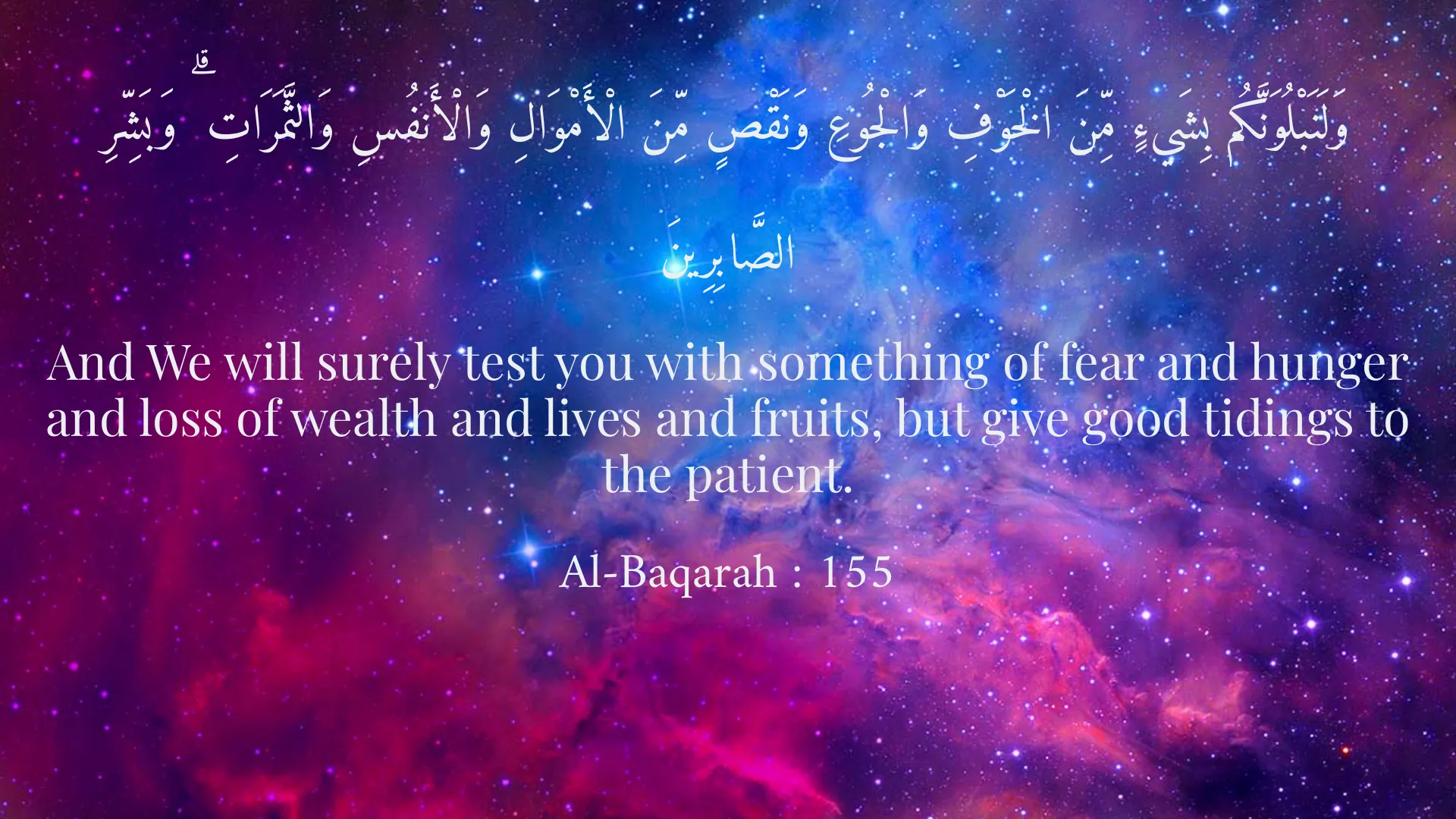
وَلَنَبْلُوَنَّكُم بِشَيءٍ مِّنَ الْخَوْفِ وَالْجُوعِ وَنَقْصٍ مِّنَ الْأَمْوَالِ وَالْأَنفُسِ وَالثَّمَرَاتِ ۗ وَبَشِّرِ الصَّابِرِينَ
And We will surely test you with something of fear and hunger and loss of wealth and lives and fruits, but give good tidings to the patient.
Al-Baqarah : 155
إِنَّمَا يُعَذِّبُ اللَّهُ بِمَا كَانُوا يَكْسِبُونَ
Indeed, Allah only punishes them for what they have earned.
Al-Mu’minun : 113
Short Story
One day, a man named Ahmad was pondering his doubts about the existence of God. He recalled the verses of the Quran and decided to take a religious class for assistance during tough times. After some time, he reached a deeper understanding of God's companionship and guidance in his life and managed to overcome his struggles and strengthen his faith.