Quranic Answer
The Holy Quran, regarded as the divine revelation to the Prophet Muhammad (peace be upon him), serves as a guide for millions of Muslims worldwide. One of the profound aspects of the Quran is its exploration of the reasons behind the delay in answering prayers, a subject that often concerns believers. The essence of prayer in Islam represents not only a means of seeking help and guidance from Allah but also functions as an important channel of communication between the believer and the Almighty. The Quran offers various insights into why prayers may not be answered immediately, and understanding these reasons can enhance one’s faith, patience, and spiritual resilience. One of the prominent reasons for delays in prayer responses is indicated as a test and trial of patience for believers. In Surah Al-Baqarah, verse 153, Allah states, "O you who have believed, seek help through patience and prayer. Indeed, Allah is with the patient." This verse is significant because it emphasizes that patience is not merely a virtue but a necessary companion of prayer. For believers, the act of praying is a demonstration of faith, and the absence of an immediate response can be perceived as a divine trial to strengthen character and endurance. Just like a diamond is formed under pressure, the trials of patience can lead to spiritual growth and a more profound understanding of one's relationship with God. Furthermore, the Quran encourages believers to remain steadfast during times of difficulty and uncertainty. In Surah Al-Imran, verse 186, Allah declares, "And you will surely hear from those who were given the Scripture before you and from those who associate others with Allah much abuse." This verse serves as a reminder that believers will face trials, both from external sources and through their internal struggles. Therefore, the delay in the response to prayers can serve as a mechanism for developing resilience and fortitude. It reminds us that faith does not guarantee ease; rather, it may invite challenges that ultimately bring believers closer to spiritual maturity. The concept that trials and tribulations can lead to the strengthening of faith is crucial in Islam. Believers are encouraged to maintain their reliance on Allah during difficult times and to realize that unanswered prayers are part of a larger divine plan. Such situations are akin to the narrative of Prophet Job (Ayyub) who, despite enduring extensive hardships, never wavered in his faith and supplication. His unwavering patience and resilience serve as an exemplary model for all those who find themselves in similar predicaments. Another compelling reason for the delay in the answering of prayers relates to Allah’s infinite wisdom in discerning what is ultimately beneficial for the believer. This is elucidated in Surah Al-Baqarah, verse 216, where it is mentioned, "Perhaps you dislike a thing while it is good for you." This verse brings forth the idea that human beings often lack the foresight to fully understand what is good or bad for themselves. Allah, in His infinite wisdom, may withhold a prayer or respond in a manner that deviates from the believer's expectations as a protection against harm or misfortune. This aspect of divine wisdom can also highlight the limitations of human understanding. People may seek immediate solutions to their problems, but Allah knows the intricate consequences of each response. Therefore, what may seem like denial in the present moment could ultimately lead to blessings that surpass what one initially sought through prayer. It's a reminder to trust in Allah’s plan—even when the journey involves waiting and enduring challenges. Moreover, the Quran teaches that Allah may answer prayers in different forms. For instance, one’s sincere supplication may be transformed into a means of protecting the believer from future misfortunes, granting them inner peace, or even leading them toward pathways they had never considered. Such answers may not always align with the believer's immediate desires but reflect a more profound understanding of their needs. Additionally, it is essential to note that believers are others may face moments when they feel abandoned or forgotten while waiting for their prayers to be answered. These feelings are part of the human experience. The Quran illustrates that not only does Allah observe the struggles of His servants, but He is also intimately aware of their circumstances. The promise that Allah is aware and attentive to the prayers of believers is reaffirmed in numerous verses throughout the Quran. When prayer remains unanswered, it can foster a sense of helplessness; however, believers must remind themselves that Allah never forgets them and is always by their side, even when their prayers seem to linger without a response. The literature of the Quran can also serve as a profound reflection on the patience required during these waiting periods. During times of uncertainty and delays, believers are encouraged to engage in acts of worship that foster a deeper connection with Allah. Engaging in regular prayers, dhikr (remembrance of Allah), and acts of kindness towards others can nurture the soul, redirect the mind from frustration, and strengthen one’s faith. In conclusion, the delay in the answering of prayers, as expounded upon in the Holy Quran, serves multiple purposes that contribute to the spiritual growth of believers. Through the trials of patience, the wisdom of divine responses, and the assurance that Allah is always with those who are patient, individuals are encouraged to have faith during their journeys. By remaining steadfast in their supplications and maintaining a positive mindset, believers can grow closer to their Creator, trust in His wisdom, and ultimately find solace even in the absence of immediate answers. The importance of these teachings reiterates that prayer is not merely about seeking what one desires; it also involves grappling with faith, understanding divine will, and embracing the journey of spiritual growth.
Related Verses
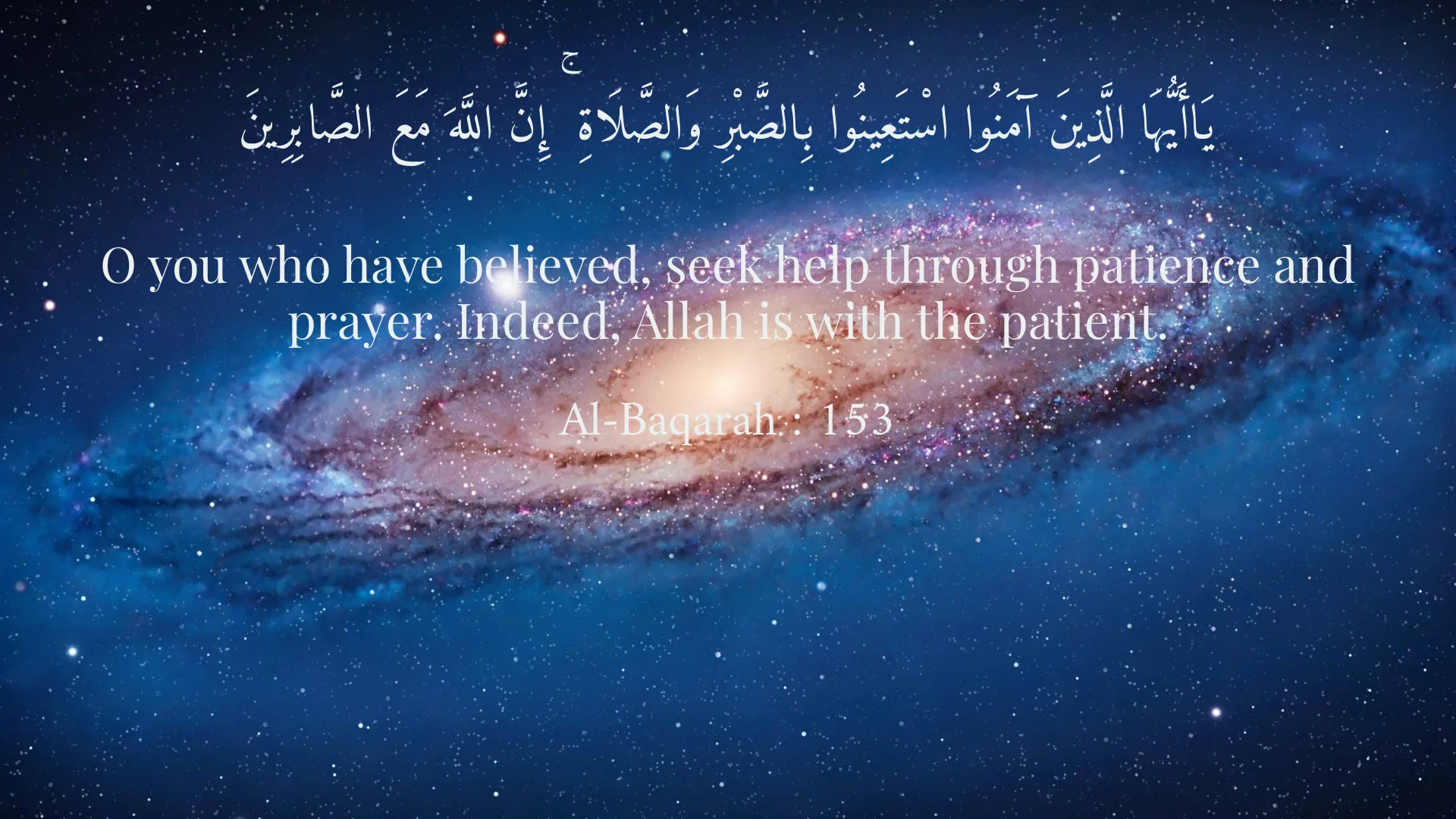
يَاأَيُّهَا الَّذِينَ آمَنُوا اسْتَعِينُوا بِالصَّبْرِ وَالصَّلَاةِ ۚ إِنَّ اللَّهَ مَعَ الصَّابِرِينَ
O you who have believed, seek help through patience and prayer. Indeed, Allah is with the patient.
Al-Baqarah : 153
وَلَتَسْمَعُنَّ مِنَ الَّذِينَ أُوتُوا الْكِتَابَ مِن قَبْلِكُمْ وَمِنَ الَّذِينَ أَشْرَكُوا أَذًى كَثِيرًا
And you will surely hear from those who were given the Scripture before you and from those who associate others with Allah much abuse.
Al-Imran : 186
عَسَى أَن تَكْرَهُوا شَيْئًا وَهُوَ خَيْرٌ لَّكُمْ
Perhaps you dislike a thing while it is good for you.
Al-Baqarah : 216
Short Story
One day, a man named Rahim was praying, wanting his prayers to be answered by God. However, after a while of waiting, he fell into deep thought and felt hopeless. He decided to visit a scholar and ask why his prayers were unanswered. The scholar told him, 'God, out of love for you, sometimes delays your prayer to test you and teach you patience.' Rahim contemplated this and realized that patience is truly a divine quality, so he prayed again with hope, and eventually received the answers to his prayers.