Quranic Answer
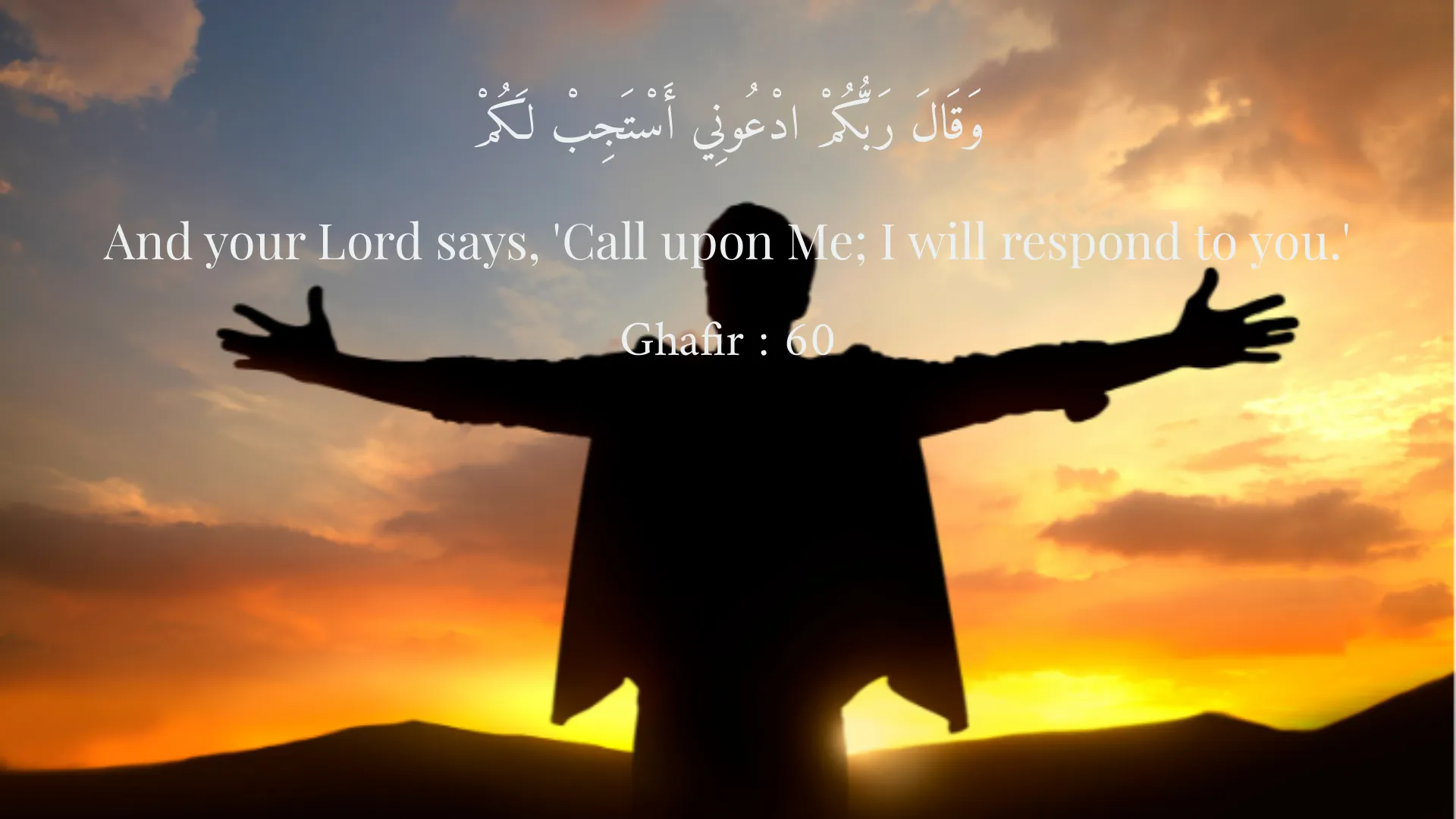
In Islamic teachings and verses of the Quran, the concept of prayer (salah) and its response is a fundamental component of the faith, providing guidance and comfort to millions of believers around the world. Prayer is a direct line of communication between the worshiper and Allah, serving as a means of seeking guidance, expressing gratitude, and requesting assistance. However, many believers often find themselves grappling with the experience of delayed responses to their prayers. This phenomenon can be deeply distressing, leading to doubt and frustration. Yet, the teachings within Islam provide clarity and insight into the nature of prayer and the divine wisdom behind the timing of God's responses. One of the key verses that encapsulate the divine assurance regarding prayer is found in Surah Ghafir, verse 60 of the Quran. The verse states: "And your Lord says, 'Call upon Me; I will respond to you'" (Quran 40:60). This assertion reinforces the fundamental belief that Allah hears the supplications of His servants. The mere act of calling upon Him is met with an assurance of divine attention and consideration. However, the reality of experiencing a delayed response necessitates a deeper examination of God's nature and His wisdom in dealing with human supplications. To understand why prayers may not be answered immediately, it is essential to consider the attributes of Allah, particularly His all-encompassing knowledge. Allah, in His wisdom, is aware of the intricate details surrounding each individual's situation and has an understanding of what is ultimately good for them. Consequently, He may choose to respond to a prayer at a time that aligns with His divine plan, which may be different from the time frame individuals expect or desire. This delay is often an expression of Allah's love and consideration for His servants, ensuring that when the response comes, it is in the best interest of the individual. In essence, God's timing is perfect, even when it does not align with human expectations. Furthermore, the intention behind a prayer plays a crucial role in determining its response. In many instances, prayers are delayed due to a lack of sincere intention or because they do not resonate with God's wisdom at that given moment. This highlights the importance of sincerity in supplication. The Quran states in Surah Al-Baqarah, verse 186: "And when My servants ask you concerning Me, indeed I am near. I respond to the supplicant when he calls upon Me" (Quran 2:186). This verse not only emphasizes God's proximity to His servants but also reinforces His attentive nature in responding to their calls. However, it suggests that the timing and manner of response are at the discretion of Allah, shaped by His profound wisdom. This understanding invites believers to cultivate patience and trust in God's plan. The experience of unanswered prayers or delayed responses should not be interpreted as abandonment or neglect but rather as an opportunity for reflection and spiritual growth. The teachings of Islam encourage individuals to remain steadfast in their prayers, fostering a relationship characterized by devotion and trust in Allah's benevolent nature. Moreover, the essence of prayer is not limited to merely seeking out what one wants. Prayer, as described in Islamic practices, is also an act of worship and connection to the Divine. Through consistent prayer, individuals reinforce their faith, express their gratitude, and seek forgiveness. The journey of prayer transforms the individual, shaping their character and drawing them closer to Allah. Thus, even in the moments when immediate responses are not apparent, the act of praying serves to elevate one’s spiritual state, bringing a sense of peace and solace. In addition to individual supplications, communal prayers and gatherings, such as the Friday prayers (Jumu'ah), foster a collective spirituality that further strengthens the bonds within the community. These communal experiences are opportunities for believers to come together in worship and support one another, reinforcing the message of interconnectedness and mutual reliance on Allah's mercy. This communal aspect of prayer reflects the inherent social structure within Islam, where believers are reminded they are not alone in their struggles. Another dimension to consider is the potential for prayers to be answered in ways that are not immediately recognizable. Many believers have experienced moments when their prayers were answered in unexpected forms—perhaps not in the way they requested, but in a manner that provided greater wisdom or fulfillment in the long run. These instances remind individuals that the essence of prayer is not always about receiving what one asks for, but rather embracing the broader scope of what it means to seek connection with the Divine. Additionally, the Quran underscores that trials and tribulations are a part of life, serving as tests that refine and elevate an individual's faith. In moments of doubt or difficulty, individuals are encouraged to turn back to prayer, reaffirming their trust in God's plan. This cycle of supplication and patience not only deepens one's faith but also provides a framework for dealing with life's complexities. In conclusion, the concept of prayer in Islam is rich and multifaceted. It offers individuals a means of connecting with Allah and enhances their spiritual journey. While the experience of delayed responses can be challenging, it serves as a powerful reminder of the divine wisdom behind prayer and the importance of maintaining sincere intentions. Believers are encouraged to persevere in their supplications, trusting that Allah hears their whispers and knows the best course for their lives. Thus, rather than viewing delays in prayer as setbacks, they should be considered part of an ongoing dialogue with the Divine, one that nurtures patience, resilience, and unwavering faith.
Related Verses
وَقَالَ رَبُّكُمْ ادْعُونِي أَسْتَجِبْ لَكُمْ
And your Lord says, 'Call upon Me; I will respond to you.'
Ghafir : 60
وَإِذَا سَأَلَكَ عِبَادِي عَنِّي فَإِنِّي قَرِيبٌ ۖ أُجِيبُ دَعْوَةَ الدَّاعِ إِذَا دَعَانِ
And when My servants ask you concerning Me, indeed I am near. I respond to the supplicant when he calls upon Me.
Al-Baqarah : 186
Short Story
Once, a man harbored wishes in his heart and prayed to God with a troubled heart, expecting immediate results, but nothing seemed to change. One day, he consulted a spiritual leader about his prayers. The leader replied, 'God has a time for everything; He may be preparing something special for you. Be patient and trust in Him.' Over time, the man realized that his prayers were answered in the best possible way at the right time.