Quranic Answer
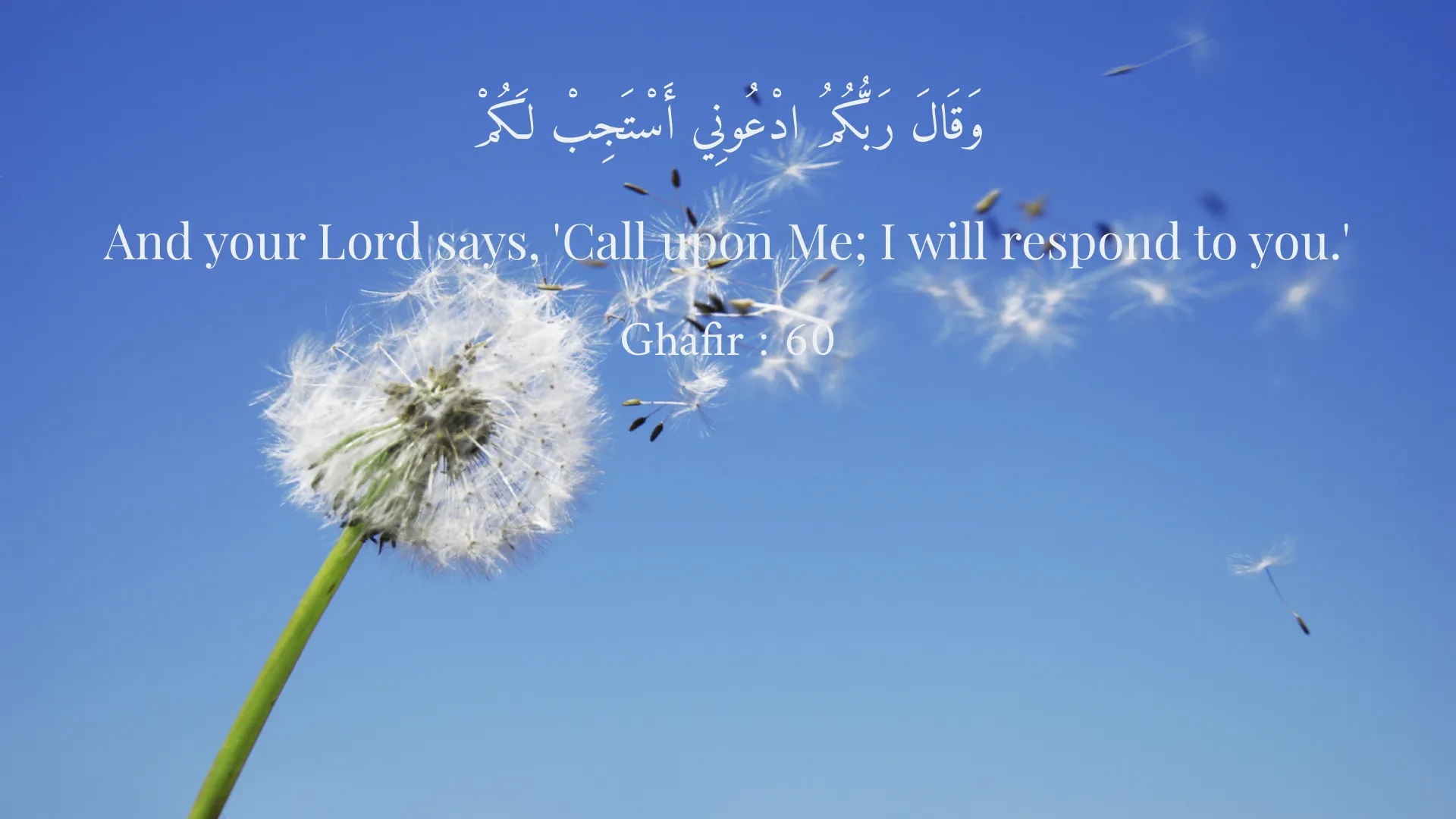
In the Holy Quran, Allah emphasizes the importance of praying and connecting with Him, highlighting a profound aspect of human experience—faith. The relationship between the Creator and His creation is deeply nurtured through the act of prayer, which serves as a vital link that grows stronger through devotion and perseverance. In Surah Ghafir, verse 60, it states: 'And your Lord says, 'Call upon Me; I will respond to you.' This verse underlines that praying is not just a ritual but an essential part of faith in God. It is a direct encouragement from Allah to His servants to reach out to Him, to express their hopes, fears, and desires. This divine invitation instills a sense of belonging and comfort in believers, knowing that they can communicate directly with their Creator. However, one may wonder why there are sometimes delays in the answers to prayers. This topic yields significant importance in understanding the nature of faith and the dynamics of divine intervention. One reason for such delays might be to test the patience and unwavering faith of individuals. Surah Al-Baqarah, verse 155, provides insight in this regard, as Allah states: 'And We will surely test you with something of fear and hunger and a loss of wealth and lives and fruits, but give good tidings to the patient.' Through this verse, Allah enlightens us that tests and tribulations are a necessary part of existence, providing opportunities for growth and strengthening our faith. The trials one faces can manifest in various forms, be it emotional, financial, or personal loss. These challenges serve as a means for individuals to cultivate resilience and steadfastness. The Quran frames patience—sabr—as a commendable virtue; believers are encouraged to embrace patience in waiting for their prayers to be answered. The narrative of many prophets serves as an example of enduring trials while maintaining faith in Allah's promises, illustrating that the journey of faith is often paved with challenges. Furthermore, delays in prayers may also stem from the fact that a prayer is better suited to be answered at a different time or in a different manner, aligning with Divine wisdom. Allah possesses complete knowledge of what is best for us, and sometimes what we may seek immediately may not truly serve our best interest in the grand tapestry of life. In Surah Al-Imran, verse 186, Allah advises: 'You will surely be tested in your properties and your persons, and you will hear from those who were given the Scripture before you and from those who associate others with Allah much abuse.' The ability to comprehend that there may be divine reasons for unanswered prayers can elevate a believer's spiritual journey. This understanding invites a transformation in the transactional nature of prayer. Instead of merely seeking tangible results or quick solutions, we begin to appreciate prayer as a multidimensional interaction with Allah that encompasses growth, surrender, and trust. Faith is not merely about receiving favors from Allah but cultivating an enduring relationship built on devotion, gratitude, and spiritual growth. Moreover, pondering the reasons behind unanswered prayers encourages individuals to delve deeper into their faith, enrich their spiritual lives, and develop a more profound understanding of the essence of Allah's wisdom. This reflection enables believers to seek out lessons hidden within the trials they endure, thereby transforming their perspective on life's difficulties. The journey of faith morphs into an exploration of one's connection with the divine, leading to personal evolution and spiritual awakening. It is also crucial to recognize that not every prayer will be answered in the earthly sense we might desire. There may be instances where the answers differ from expectations, coming in forms we do not recognize or comprehend. Patience, therefore, becomes a powerful ally in this venture. It teaches us to trust that Allah's plans surpass our understanding and that He knows what sustains our ultimate well-being. By relying on this understanding, believers can cultivate a sense of tranquility and acceptance while engaging in prayer and awaiting its answers. In summary, the process of praying and waiting for its fulfillment is not merely a test of time or resilience; it embodies a profound aspect of our faith journey. It invites us to explore the nuances of our relationship with God, aligning our desires with His grand design. By learning to navigate the emotions surrounding unanswered prayers—frustration, disappointment, hope, and trust—we are presented with opportunities for self-discovery and spiritual growth. Ultimately, Allah desires what is best for His servants. A believer who invokes patience while waiting for prayers to be answered displays an unwavering trust in divine wisdom. This patience can lead to a deep sense of peace, shaping one’s worldview fundamentally, altering perceptions of loss and gain along this spiritual path. With an understanding of the divine wisdom behind prayer and its timing, the awaiting soul transforms trials into sources of strength, finding solace in the connection with Allah, inviting tranquility into their prayers and their life overall.
Related Verses
وَقَالَ رَبُّكُمُ ادْعُونِي أَسْتَجِبْ لَكُمْ
And your Lord says, 'Call upon Me; I will respond to you.'
Ghafir : 60
وَلَنَبْلُوَنَّكُم بِشَيءٍ مِّنَ الْخَوْفِ وَالْجُوعِ وَنَقْصٍ مِّنَ الْأَمْوَالِ وَالْأَنفُسِ وَالثَّمَرَاتِ وَبَشِّرِ الصَّابِرِينَ
And We will surely test you with something of fear and hunger and a loss of wealth and lives and fruits, but give good tidings to the patient.
Al-Baqarah : 155
وَلَتَسْمَعُنَّ مِنَ الَّذِينَ أُوتُوا الْكِتَابَ مِن قَبْلِكُمْ وَمِنَ الَّذِينَ أَشْرَكُوا أَذًى كَثِيرًا ۖ وَإِن تَصْبِرُوا وَتَتَّقُوا فَإِنَّ ذَٰلِكَ مِنْ عَزْمِ الْأُمُورِ
And you will surely hear from those who were given the Scripture before you and from those who associate others with Allah much abuse. But if you are patient and fear Allah, that is the best course.
Al-Imran : 186
Short Story
Once upon a time, there was a young man named Hossein who loved to pray. However, when he made a big prayer and awaited an answer, he waited for weeks with no news. He felt heartbroken and impatient. One day while walking in the park, he encountered an elderly woman who was praying. Hossein approached her and asked, "Why do you pray if you don’t receive answers?" The woman smiled and said, "My son, prayers always get answered, but Allah has His own timing. Sometimes we need to wait or learn what is truly best for us." Hearing this, Hossein remembered the verses of the Quran and realized that perhaps the Divine wisdom hidden in the delay of his prayers was essential. From that day on, he prayed and learned to be patient.