Quranic Answer
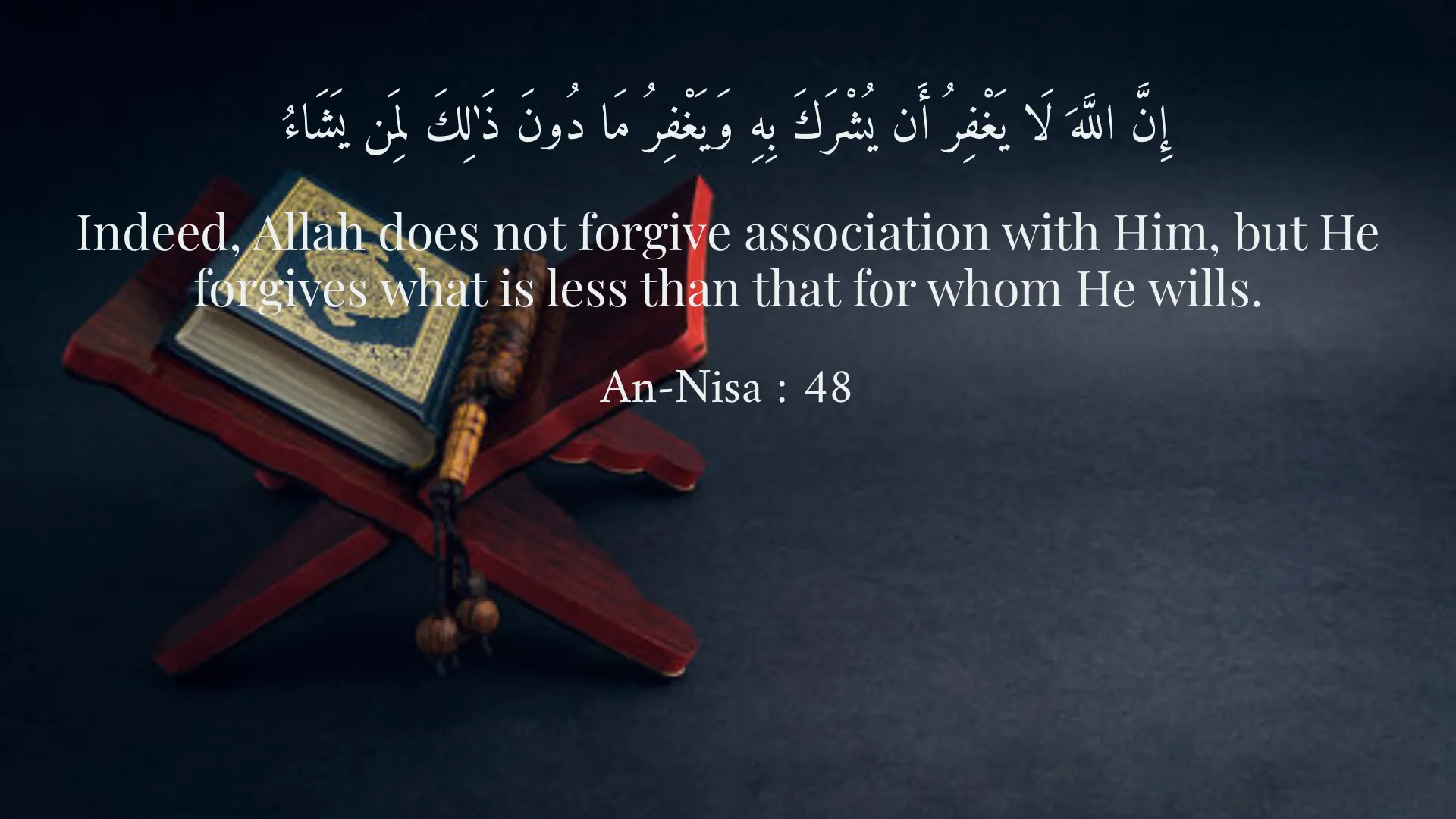
The Quran, the holy book of Islam, serves as a profound source of guidance for Muslims around the world. Among the myriad of themes within this divine text, the concept of sin and forgiveness occupies a prominent position. Within these teachings, a clear delineation emerges between sins that may be forgiven and those deemed too grave for such mercy. Allah's stance on various sins emphasizes the critical nature of one's beliefs and actions, particularly concerning the grave sin known as 'shirk' or polytheism. This article seeks to explore the significance of shirk in Islam, its implications for believers, and the process of repentance as a means of seeking forgiveness from Allah. At the core of the Quranic teachings is the belief in the absolute oneness of Allah, known as Tawhid. This principle is not just a theological stance; it is the foundation upon which a Muslim's faith is built. When one diverts from this belief by committing shirk, which involves associating partners with Allah, the gravity of this sin is emphasized throughout the Quran. Surah An-Nisa, verse 48, explicitly states: 'Indeed, Allah does not forgive association with Him, but He forgives what is less than that for whom He wills.' This verse categorically identifies shirk as the greatest sin, from which all other sins deviate. The implications of committing shirk are significant for believers. It essentially places an individual's entire faith at risk. If a person lives their entire life without acknowledging the oneness of Allah and engages in polytheistic practices, the Quran suggests that they may face severe consequences in the hereafter. The Day of Judgment is depicted as a time of reckoning, where the deeds of individuals will be laid bare. The opportunity for atonement is diminished in cases of shirk, as the rejection of Tawhid signifies a fundamental break in one's relationship with Allah. Conversely, the Quran offers a glimmer of hope for those who stray from the path by committing other sins that do not include shirk. Allah, in His infinite mercy, has decreed that sins can be forgiven upon genuine repentance. Surah At-Tawbah, verse 17, sheds further light on this notion, affirming that 'Indeed, Allah only forgives the polytheists.' This statement reinforces the idea that while other misdeeds might be absolved through sincere remorse and a return to faith, shirk stands in a category entirely of its own. The significance of sincere repentance cannot be understated. Repentance, or Tawbah, requires a heartfelt return to Allah and an earnest recognition of one's misdeeds. A key component of this process is feeling genuine regret for one's actions. The Quran emphasizes that Allah's mercy is vast, and for those who have erred, it remains accessible if they approach Allah with sincerity and a desire to amend their ways. The act of seeking forgiveness necessitates humility and acknowledgment of one's shortcomings. This is a pivotal aspect of the Muslim faith, and the act of repenting serves as a reaffirmation of one's commitment to Tawhid. In engaging with the principles of repentance, believers not only strive to mend their relationship with Allah but also cultivate a deeper understanding of their faith and the importance of living a life aligned with divine commandments. Moreover, it is vital for believers to encourage and remind one another of the importance of avoiding shirk and pursuing a path of righteousness. Together, the Muslim community is tasked with upholding the principle of Tawhid, pointing out the dangers of associating partners with Allah, and reinforcing the tenets of sincere worship. In addition, education and awareness play a transformative role in preventing the occurrence of shirk. Unawareness of its implications and the nuances of faith can lead individuals astray. Therefore, it is imperative that Islamic scholars and community leaders make continuous efforts to educate Muslims about the significance of Tawhid and the risks associated with polytheism. Seminars, lectures, and accessible literature can become effective tools in fostering a strong foundation of belief among Muslims. In conclusion, the Quran presents a clear distinction between sins that can be forgiven and those that represent a fundamental challenge to one’s belief in the oneness of Allah. Shirk remains the gravest sin in Islam, and its implications are dire for believers. Understanding the consequences of this sin, alongside the importance of sincere repentance, shapes the spiritual journey of Muslims. As they navigate their lives, they must prioritize the unity of Allah in their worship and actions. Ultimately, fostering a community centered on Tawhid and the pursuit of forgiveness will not only strengthen individual faith but will also cultivate a society that embodies the core principles of Islam, reverberating the message of mercy and guidance presented in the Quran.
Related Verses
إِنَّ اللَّهَ لَا يَغْفِرُ أَن يُشْرَكَ بِهِ وَيَغْفِرُ مَا دُونَ ذَٰلِكَ لِمَن يَشَاءُ
Indeed, Allah does not forgive association with Him, but He forgives what is less than that for whom He wills.
An-Nisa : 48
إِنَّمَا يَغْفِرُ اللَّـهُ لِلْمُشْرِكِينَ
Indeed, Allah only forgives the polytheists.
At-Tawbah : 17
Short Story
One day, a young man named Amir was reflecting on his past sins. He believed in the oneness of Allah but had felt uncertain about his faith at times, fearing he had wronged God. After researching and referring to the verses of the Quran, he realized that while some sins are grievous, genuine repentance could lead him back to Allah. Amir decided to make a heartfelt vow to Allah and repent from his sins. With tears in his eyes, he prayed, and Allah showered His mercy upon him.