Quranic Answer
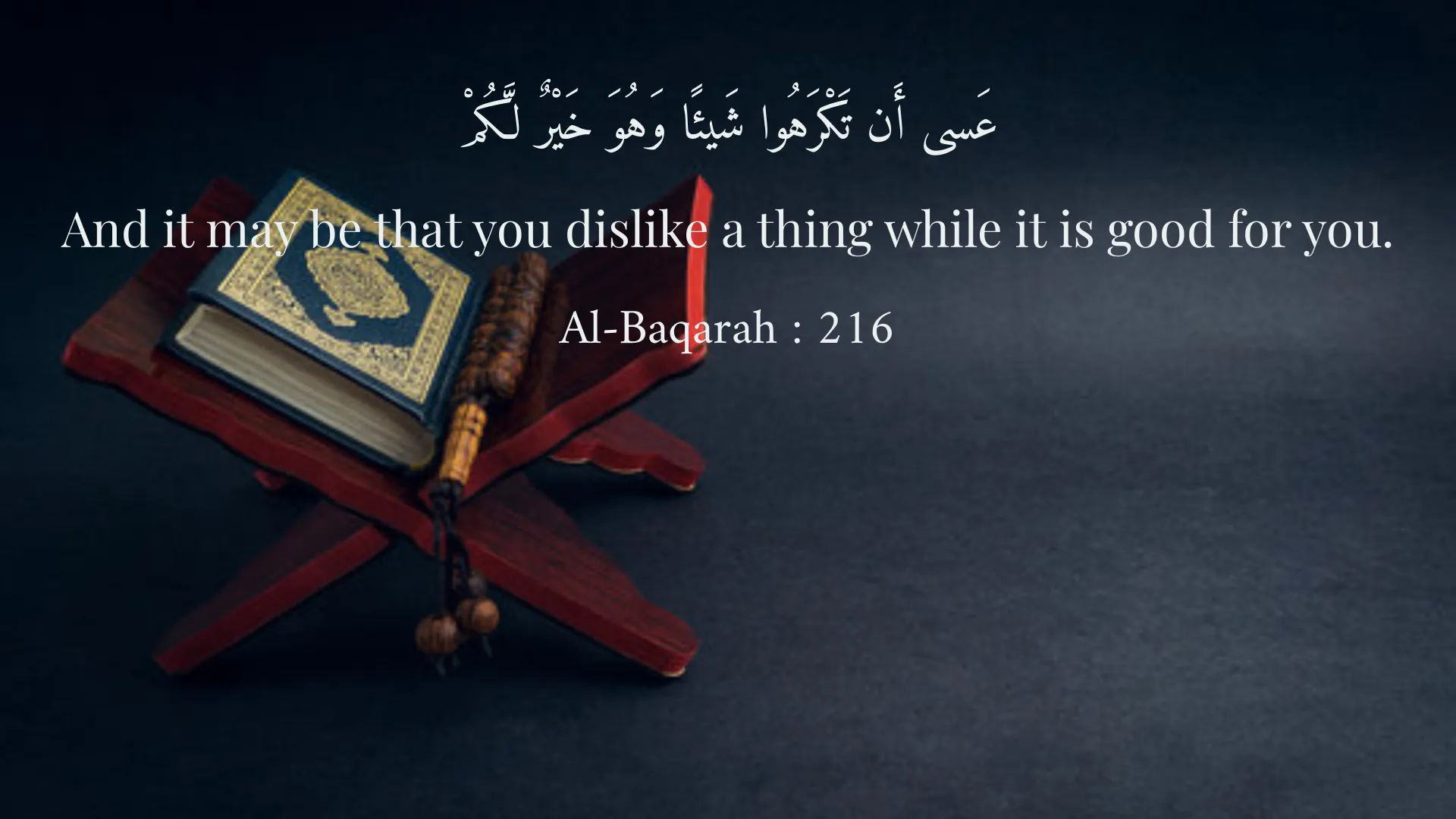
In the Holy Quran, Allah emphasizes the pivotal importance of prayer, also known as Salah, which is a central act of worship for Muslims. It serves not only as a means of communication between the believer and the Creator but also as a fundamental aspect of one’s faith and spirituality. The significance of this practice is underscored by the countless references made in the Quran regarding its benefits and the responses to it. However, many believers often experience delays in the acceptance of their prayers, leading them to ponder the reasons behind this phenomenon. Understanding these delays is crucial for nurturing faith and fostering a deeper relationship with God. Firstly, it is essential to recognize that Allah, with His infinite knowledge and wisdom, possesses a broader view of our lives than we do. He knows the right timing and manner to respond to our supplications. Human beings, in their limited understanding, often anticipate immediate answers to their prayers, yearning for quick resolutions to their concerns. Nevertheless, Allah—who is All-Wise—may be aware that fulfilling our requests promptly might not be in our best interest. For instance, in Surah Al-Baqarah, verse 216, it is stated, "And it may be that you dislike a thing while it is good for you." This verse serves as a reminder that our understanding of what is beneficial may be limited, and trusting in divine wisdom and plans is vital for spiritual growth. Moreover, the concept of time in relation to divine response is intricate and varies from human perception. Believers are often challenged by the disparity between their expectations and God’s unfolding plan. It is through this, they learn to rely on Allah's timing, which can indeed enhance their faith. Patience, as a virtue, is repeatedly extolled in the Quran as a means to attain a closer relationship with Allah. Secondly, one of the significant purposes of delays in responding to prayers can be to instill patience and perseverance within individuals. In Surah Al-Imran, verse 186, Allah says, "You will surely be tested in your possessions and in yourselves," indicating that life is fraught with challenges that compel us to exhibit patience, resilience, and determination. Trials serve as opportunities for growth, urging us to strive harder, both in our worldly pursuits and in our spiritual development. The waiting period serves as a test of faith and commitment, allowing individuals to reflect on their intentions and to turn towards Allah with sincerity. Consequently, these periods of waiting can produce a profound impact on the spiritual journey of an individual. Being subjected to delays encourages believers to engage in deeper prayers and supplications, which fosters a more intimate relationship with God. This continuous dialogue reinforces the importance of dependence on Him, while also serving to strengthen our spirit. When faced with challenges, individuals learn to communicate with God more openly, seeking guidance and support in their struggles. Action results from reliance on divine will, nurturing a sense of hope and trust in Allah's plan. Furthermore, prayer is not a mere request but rather a profound relationship between the servant and the Lord. Allah urges believers to maintain an open line of communication; through prayer, one can express gratitude, seek forgiveness, or request assistance in times of need. This deep relationship is fortified—even when replies to prayers may be delayed. The act of prayer itself is an affirmation of faith, acknowledging Allah’s sovereignty and expressing a reliance on His mercy. In addition to patience and perseverance, another important aspect of delayed responses to prayers is the potential for spiritual purification. Allah may delay the acceptance of prayers to teach individuals humility and reliance. In times of difficulty, believers are reminded of their dependence on Allah, encouraging them to repent, seek forgiveness, and surrender fully to God’s will. Through this process, believers often find clarity and direction that enhances their spiritual journey. Moreover, the significance of the waiting period extends to the concept of collective humanity as well. The delays in responding to individual prayers offer an opportunity for believers to connect with others who may be experiencing similar challenges. It emphasizes the interdependence of the human experience and the importance of community in supporting one another through trials, often leading to shared prayers and collective supplication. Additionally, it serves as a reminder to practice compassion and empathy towards others who may be enduring their trials, reinforcing the values of charity and kindness emphasized in the Quran. Ultimately, understanding the reasons behind the delays in prayer acceptance can lead to deeper spiritual insights. Everyday interactions with Allah through prayer can illuminate the intricacies of faith and existence. Sometimes these delays can hold unfathomable spiritual and mystical reasons that may not be perceivable to us. This understanding fosters a deeper relationship with God, as believers engage in the act of supplication, not solely for immediate solutions but for recognition of Allah’s greatness and mercy. Being encouraged to pray and seek help continually reminds us of God, emphasizing His merciful nature, and this alone is a significant blessing. In conclusion, prayer is an essential component of a believer’s existence, serving as a bridge connecting the mortal soul with the Divine. The nuances surrounding the delays in prayer acceptance reflect Allah’s wisdom, the necessity of patience, the journey of spiritual growth, and the profound relationship fostered between the servant and the Lord. By cultivating a better understanding of these principles, believers can enhance their spirituality, trusting in the greater plans Allah has laid out for them, and embracing the journey itself as a means to draw nearer to the Almighty.
Related Verses
عَسى أَن تَكْرَهُوا شَيئًا وَهُوَ خَيْرٌ لَّكُمْ
And it may be that you dislike a thing while it is good for you.
Al-Baqarah : 216
لَتُبْلَوُنَّ فِي أَمْوَالِكُمْ وَأَنفُسِكُمْ
You will surely be tested in your possessions and in yourselves.
Al-Imran : 186
Short Story
One day, Mahdi who always felt let down because his prayers weren't answered quickly, became upset. He decided to turn to the Quran and discovered that delays in prayer responses did not mean rejection, but that God might be waiting for him to reflect on himself and learn patience. Mahdi thought, "Allah wants me to ensure my faith in Him is stronger." Over time, he realized that by having patience and trusting God, his life improved and he felt more joy.