Quranic Answer
In the Holy Quran, the intricate relationship between supplication, Allah's listening, and the responses to prayers is a recurring theme that underscores the depths of faith, patience, and the divine wisdom behind the timing of responses. The understanding of how Allah interacts with His servants through their prayers is essential for believers seeking a closer connection to the Divine. This article aims to explore the nuances surrounding the topic of supplication as mentioned in various verses of the Quran, examining the reasons for the responses to prayers and the wisdom behind any delays. The Quran explicitly states that Allah listens to the prayers of His servants. It assures believers that their earnest supplications are acknowledged, which cultivates a sense of hope and reliance on Allah's mercy. However, it is crucial to understand that responses might not always be immediate, and several reasons contribute to this phenomenon. One significant reason reflected in scripture is that Allah may wish to test His servants, fostering patience and resilience in their hearts. In Surah Al-Baqarah, verse 153, Allah commands believers to seek assistance through patience and prayer, indicating that enduring hardship with faith can lead to spiritual growth and inner peace. This verse serves as a reminder that supplication is not merely about seeking immediate relief but about nurturing a deeper relationship with the Creator. Moreover, the timings of responses to prayers may not always align with the personal desires or schedules of individuals. Instead, Allah, in His infinite wisdom, desires for His servants to receive what is ultimately best for them. The understanding of divine timing requires a shift in perspective – believers must trust that what may seem delayed is a manifestation of Allah's care and understanding of their true needs. It emphasizes the importance of surrendering one's own timeline to align with the divine plan. In Surah Al-Ankabut, verse 69, Allah states: "And those who strive for Us, We will surely guide them to Our ways." This verse illustrates a profound connection between human effort and divine guidance. Allah acknowledges the struggles and earnest endeavours of His servants, assuring them that their efforts do not go unnoticed. Instead of expecting direct answers to their prayers, believers are encouraged to harness their determination and strive towards righteousness, embodying hope and trust in Allah’s guidance both in times of distress and tranquility. Furthermore, it is crucial to comprehend that the desires expressed in supplication can sometimes deviate from what is truly beneficial for the individual. Humans may unknowingly request something that could bring harm or detriment in the long run. Recognizing this, Allah may choose to delay a response to protect His servants from potential pitfalls. The concept of divine wisdom is particularly salient here; what may appear as a denial or delay could, in actuality, be a greater protection plan crafted by a loving Creator. In this light, the essence of such delays is manifested as an exhibition of Allah's compassion, preserving His servants from harm and leading them towards better opportunities that they may not yet see. The wisdom of Allah exceeds human comprehension, reminding the faithful that embracing the divine response may require patience, perseverance, and unwavering faith. Believers often turn to the Quranic narratives of the prophets who experienced immense trials in their lives yet maintained their steadfast faith through supplication. For instance, the story of Prophet Ayyub (Job) serves as a poignant reminder of the virtue of patience in the face of adversity. He tirelessly supplicated to Allah, seeking relief during his prolonged suffering, showcasing that genuine supplication is accompanied by patience and trust in divine timing. Another essential aspect discussed in relation to supplication is the concept of collective and individual supplications. The Quran emphasizes communal prayers, noting that the collective spirit of the community can invoke divine mercy and attention. Surah Al-Mumtahanah, verse 10, illustrates how the prayers of believers, when united, can create a powerful plea for the protection and guidance of Allah. This highlights the importance of fostering a sense of belonging and shared spirituality among communities. It is critical to continue supplicating, regardless of immediate responses. The act of supplication itself strengthens the relationship between the servant and Allah, building a foundation of spiritual intimacy and fostering an environment where believers can express their vulnerabilities and aspirations. To sustain faith, one must remain connected to the practice of prayer, recognizing that it enriches life, even when answers are not forthcoming. The Quran assures that every prayer uttered is known to Allah, irrespective of the timing of the response. In conclusion, the discussion surrounding supplication and responses as presented in the Holy Quran is multifaceted and deeply rooted in the themes of faith, patience, and divine wisdom. Allah, in His infinite mercy, hears the pleas of His servants and has a unique response for each individual, which may not always align with human timelines or desires. While it is natural to seek immediate answers, believers are encouraged to remain steadfast, trusting in Allah's wisdom for ultimately beneficial outcomes. The essence of delays serves as a reflection of divine mercy and comprehensive protection, embodying a deeper connection between the Creator and the creation. In the journey of faith, one must strive for patience, embracing the transformational power of supplication, and cultivating a reliance on the profound guidance of Allah, who leads those who strive in His path toward righteousness and goodness.
Related Verses
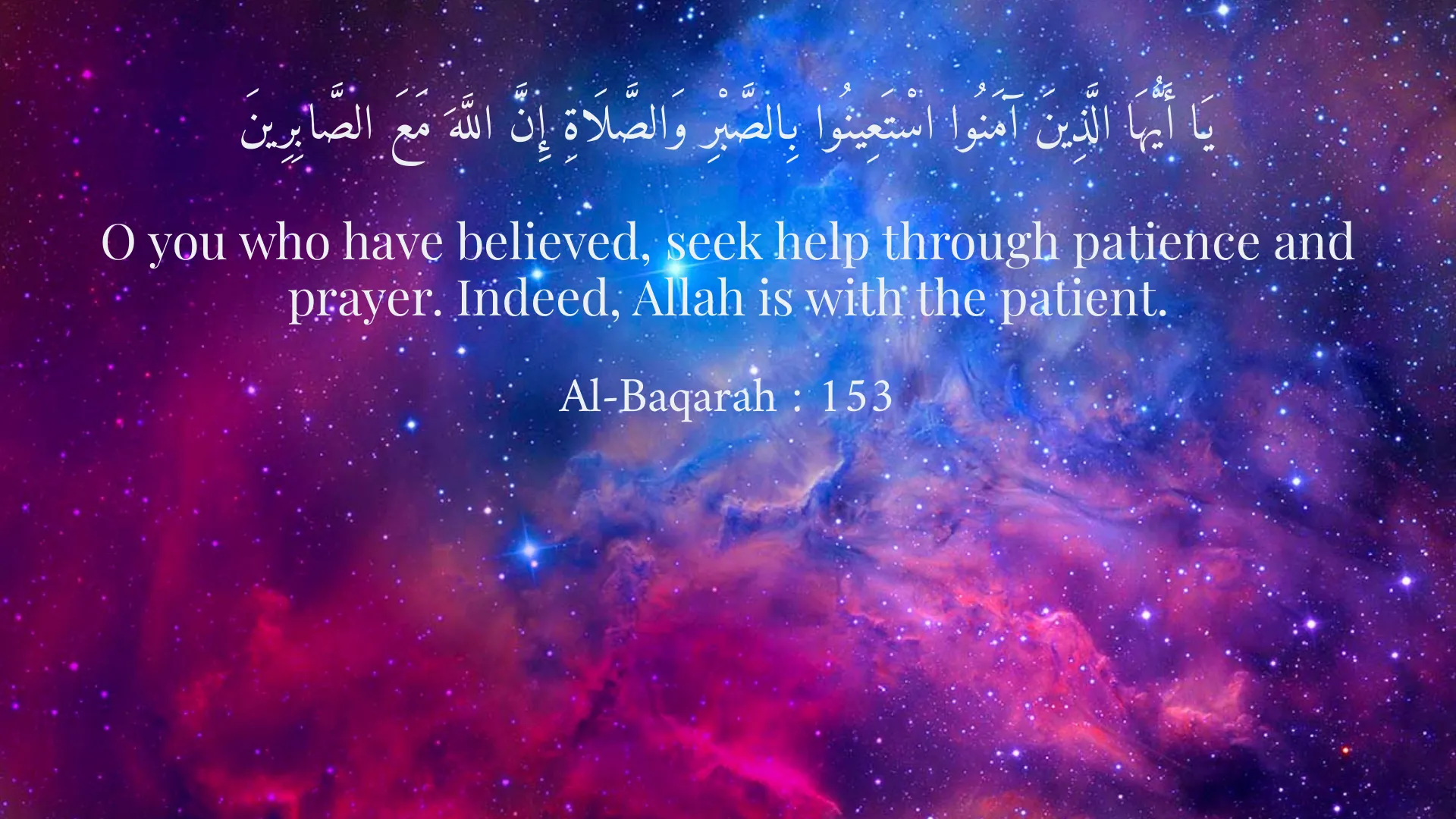
يَا أَيُّهَا الَّذِينَ آمَنُوا اسْتَعِينُوا بِالصَّبْرِ وَالصَّلَاةِ إِنَّ اللَّهَ مَعَ الصَّابِرِينَ
O you who have believed, seek help through patience and prayer. Indeed, Allah is with the patient.
Al-Baqarah : 153
وَالَّذِينَ جَاهَدُوا فِينَا لَنَهْدِيَنَّهُمْ سُبُلَنَا ۗ وَإِنَّ اللَّهَ لَمَعَ الْمُحْسِنِينَ
And those who strive for Us, We will surely guide them to Our ways. And indeed, Allah is with the doers of good.
Al-Ankabut : 69
Short Story
One day, a young man decided to pay more attention to his prayers and requests in life. He prayed for God's help, but noticed delays in the responses. One night, after an incident, he realized that the delay in answering his prayers was due to divine wisdom. He understood that this time was an opportunity to strengthen his patience and resilience, and thus felt a greater closeness to Allah. From that moment, he no longer only focused on the results of his prayers but instead focused on his efforts and connection with God.