Quranic Answer
In the vast expanse of the Holy Quran, it is profoundly stated that God possesses immense knowledge and wisdom, acting always in a manner that is best for His servants. This assertion is a cornerstone of Islamic belief and serves as a reminder of the omnipotent presence of God in the lives of individuals. One significant aspect that emerges in this discourse is the reason for the delay in blessings and responses to the prayers of His servants. A central tenet that sheds light on this phenomenon relates to the spiritual and moral testing of individuals by God. In Surah Al-Baqarah, verse 155, the Quran explicitly articulates, "And We will surely test you with something of fear and hunger and a loss of wealth and lives and fruits, and give good tidings to the patient." This declaration not only underscores the inevitability of trials but also reveals that such tribulations are intentional, designed as mechanisms to evaluate the patience and endurance of the servants. In navigating the myriad challenges that life poses, believers are called to reflect on their conduct, cultivating resilience and maintaining faith amid adversity. The concept of testing is deeply rooted in the fabric of Islamic teachings. The Quran elucidates that life's trials serve specific purposed; they are not mere occurrences of random misfortune. God tests His servants with tribulations that may induce fear, hunger, loss, and grief to foster growth and strengthen faith. The narrative surrounding testing can be seen as a divine message encouraging believers to engage in self-reflection. Patience, or Sabr, emerges as a pivotal theme as indicated in the same verse from Surah Al-Baqarah. The phrase "and give good tidings to the patient" points to an intrinsic virtue that is highly valued in Islam. Patience is portrayed not merely as a passive waiting but, instead, as an active engagement with life’s chaotic elements. By embracing patience, believers elevate their spiritual states, cultivate a deeper relationship with God, and enhance their capacity to discern life’s blessings when they do arrive. Furthermore, it is essential to recognize that the delay in receiving answers to prayers is not indicative of abandonment by God. Rather, such delays often signify a divine wisdom beyond human comprehension. The process of spiritual maturation is fundamental; this journey requires time and trials, allowing individuals to attain a level of readiness. This readiness is not only about receiving blessings but also about recognizing and appreciating them in a manner that reflects profound spiritual understanding. In Surah Fatir, verse 2, it is noted: "And whatever mercy Allah opens for the people, none can withhold it; and whatever He withholds, none can release it after Him." This profound statement reinforces the belief that ultimately, everything rests in God’s hands. His timing is impeccable, as He wields the power to grant blessings at moments that align with His divine will. This underscores the relevance of trust and faith, two essential qualities that believers are encouraged to cultivate. God’s wisdom transcends human perception; He understands the intricate workings of the universe and the hearts of individuals. Delaying specific blessings is often a means to ensure that when the time comes, the recipients are fully equipped to handle and appreciate the gifts that flow from the Divine. This understanding can ease the hearts of those who find themselves in moments of yearning, urging them to develop their spiritual maturity while patiently awaiting divine favor. Moreover, patience serves as a powerful tool in the developmental journey of a believer. Faced with life's inevitable trials, individuals can either succumb to despair or strive to extract lessons from their experiences. Those who choose the latter pathway often find that their trials act as catalysts for personal growth. Such emotions as fear, hunger, and loss, initially viewed as burdens, can metamorphose into opportunities for strength and resilience through patience. This growth process highlights the importance of perspective in facing adversities, recognizing that trials may not merely be obstacles but lessons imbued with divine purpose. Each hardship harbors an opportunity for introspection and connection to God. It encourages individuals to turn inwards, seek solace in prayers, and potentially forge a stronger bond with their Creator by engaging in earnest supplication and trust. As believers navigate this delicate interplay between desire and divine timing, it becomes crucial to develop a mindset attuned to gratitude and awareness. In recognizing the abundance of everyday blessings, even those that appear trivial, individuals can cultivate a sense of appreciation that shifts their view of waiting from a state of longing to one of anticipation. Furthermore, adopting an attitude of gratitude amid struggle allows for a richer spiritual experience and prepares the ground for future blessings. In conclusion, delays in answered prayers and blessings articulate a profound narrative intertwining God's testing, wisdom, and the evolution of human souls. The journey through fear, hunger, loss, and other forms of adversities cultivates valuable virtues such as patience and gratitude. These qualities enhance spiritual growth, urging believers to elevate their awareness and appreciation of blessings. The understanding that God knows the best time for granting favors instills hope and unwavering faith in His divine wisdom. Overall, the complexities of life serve not as mere detractors from the path of faith but as essential components of a greater spiritual narrative that ultimately lead back to God, inviting individuals to embrace the journey with open hearts and reflective spirits.
Related Verses
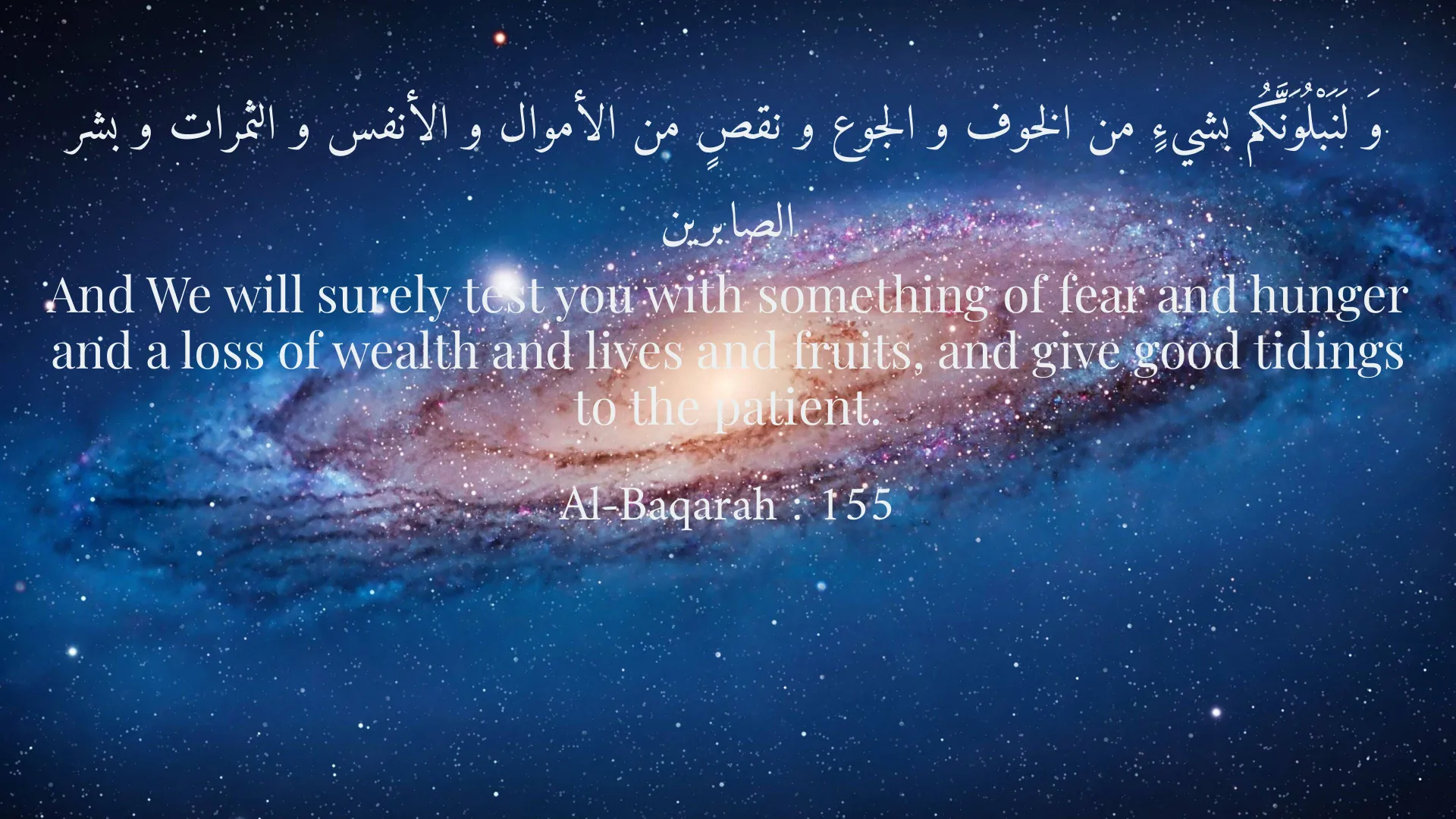
وَ لَنَبْلُوَنَّكُم بشيءٍ من الخوف و الجوع و نقصٍ من الأموال و الأنفس و الثمرات و بشر الصابرین
And We will surely test you with something of fear and hunger and a loss of wealth and lives and fruits, and give good tidings to the patient.
Al-Baqarah : 155
وَ ما يَفْتَحِ اللَّهُ لِلنَّاسِ مِن رَّحْمَةٍ فَلا مُمْسِكَ لَهَا وَ ما يُمْسِكْ فَلا مُرْسِلَ لَهُ مِن بَعْدِهِ
And whatever mercy Allah opens for the people, none can withhold it; and whatever He withholds, none can release it after Him.
Fatir : 2
Short Story
One day, in a beautiful garden, an old man sat and looked at the flowers. He prayed to God to send rain so that his plants could grow, but the rain was delayed. The old man wondered, 'Why does God delay the rain?' Soon after, the rain came, and the garden was full of life. He realized that God chooses the right time for his blessings to be appreciated properly.