Quranic Answer
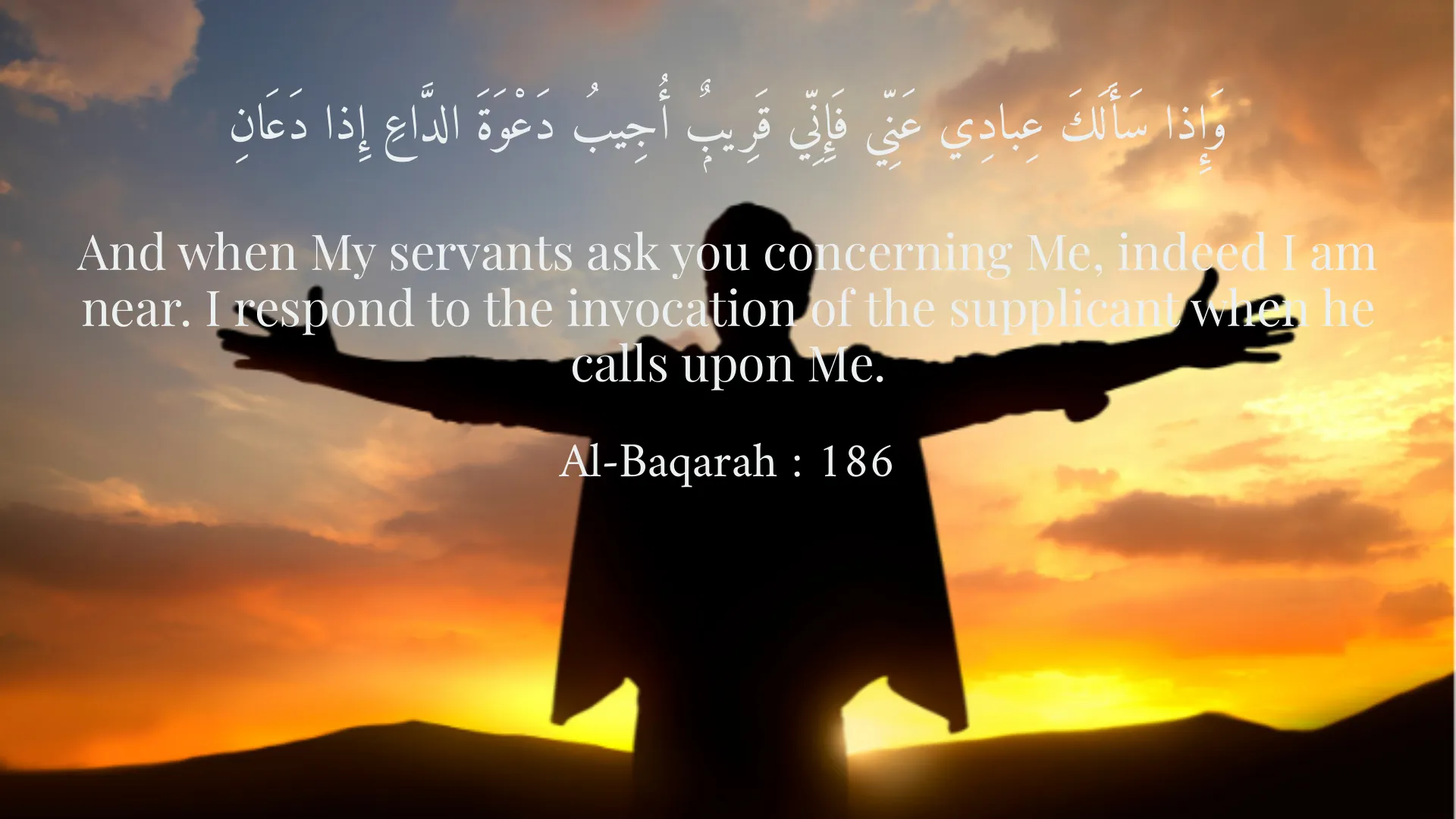
Prayer is a fundamental aspect of many religious beliefs, serving as an essential means of communication between the believer and their Creator. In Islam, the Holy Quran teaches that Allah listens to the prayers of His servants and never ignores anyone's supplication. However, the question arises: why are some prayers not answered immediately, or at all? This inquiry can be approached from multiple angles, encompassing theological, philosophical, and psychological perspectives. First and foremost, one must recognize that God possesses infinite wisdom and vast knowledge that surpasses human comprehension. He knows not only our present circumstances but also the intricacies of our future. In Surah Al-Baqarah, verse 186, it is stated: "And when My servants ask you concerning Me, indeed I am near. I respond to the invocation of the supplicant when he calls upon Me." This verse communicates the idea that prayer is not just about asking for what we desire but is also a profound interaction with the Almighty, who is always near to those who call upon Him. Thus, when believers pray, they must do so with a sense of patience and hope, trusting that Allah understands the most opportune moment to respond to their requests. Patience is a fundamental aspect of the Islamic faith. The act of waiting for prayers to be answered can be seen as a test of one’s faith and character. It encourages believers to cultivate resilience, perseverance, and a deep trust in God's plan. In Surah Al-Imran, verse 38, it mentions: "Indeed, Allah answers sincere prayers that are in the best interest of the supplicant." Here, the Quran emphasizes sincerity in supplication as a crucial factor that influences its acceptance. Additionally, there are instances when our desires may not align with divine wisdom and will. For example, we may pray out of desperation, driven by our personal needs or fears, but Allah, in His infinite wisdom, knows what is genuinely best for us. This recognition can be profoundly comforting; it gives believers the assurance that their well-being is in the hands of a wise and compassionate Creator who wants the best for them. Moreover, it is necessary to acknowledge that the response to prayers can vary significantly in shape and timing. God may delay His answers or respond in ways that we do not expect. Sometimes, the fulfillment of a prayer can come in forms other than a direct answer. Allah may instead meet our needs through other circumstances, through trials that ultimately strengthen our faith, or even through the support of others during difficult times. The response to prayer can also be understood in light of the greater picture of one's life and the lives of others surrounding them. God often operates within the framework of universal laws and the interconnectedness of life, thus an answer to a prayer may entail the involvement of multiple parties and circumstances. Therefore, a delay might not be a denial but a necessary pause to orchestrate the best outcomes for all involved. Furthermore, prayer holds a significant role beyond mere requests to God. It can serve as a profound method for drawing closer to the divine, offering believers a chance to reflect on their spiritual state, express their gratitude, and cultivate a sense of mindfulness in their lives. Engaging with Allah in prayer fosters a spiritual connection that enhances one’s ethical and moral compass. It serves to remind believers that they are never alone, that they are constantly wrapped in divine mercy and compassion. It is also worth mentioning that prayer can be a source of comfort and solace during challenging times. The act of supplication can provide psychological relief, serving as a form of catharsis. Believers often find solace in articulating their struggles and uncertainties to God, which can lead to reduced anxiety and strengthened resolve. In conclusion, while some prayers may seem unanswered or delayed, understanding the nuances of divine wisdom, timing, and the multifaceted nature of responses can provide comfort to believers. The Quran teaches that prayer is not merely about obtaining immediate results but is a vital part of the spiritual journey, allowing believers to connect with Allah, grow in their faith, and find peace amid life's uncertainties. Ultimately, prayer teaches patience, fosters resilience, and helps believers cultivate a deeper relationship with God—one that transcends the immediate gratification of requests and embraces a broader understanding of faith and devotion.
Related Verses
وَإِذا سَأَلَكَ عِبادِي عَنِّي فَإِنِّي قَرِيبٌۭ أُجِيبُ دَعْوَةَ الدَّاعِ إِذا دَعَانِ
And when My servants ask you concerning Me, indeed I am near. I respond to the invocation of the supplicant when he calls upon Me.
Al-Baqarah : 186
رَبِّ هَبْ لِي مِن لَّدُنكَ رَحْمَةً ۖ وَهَيِّئْ لِي مِنْ أَمْرِي رَشَدًا
My Lord, grant me from Yourself mercy and facilitate for me my affair in truth.
Al-Imran : 38
Short Story
One day, a man named Hassan had been praying to God for success in his endeavors. He prayed regularly but noticed no immediate response. He then reflected that perhaps God was preparing the best time for him. After a while, Hassan saw the results of his prayers and realized he needed to cultivate more patience and perseverance to achieve what he desired. This experience led him to a deeper understanding of divine wisdom.