Quranic Answer
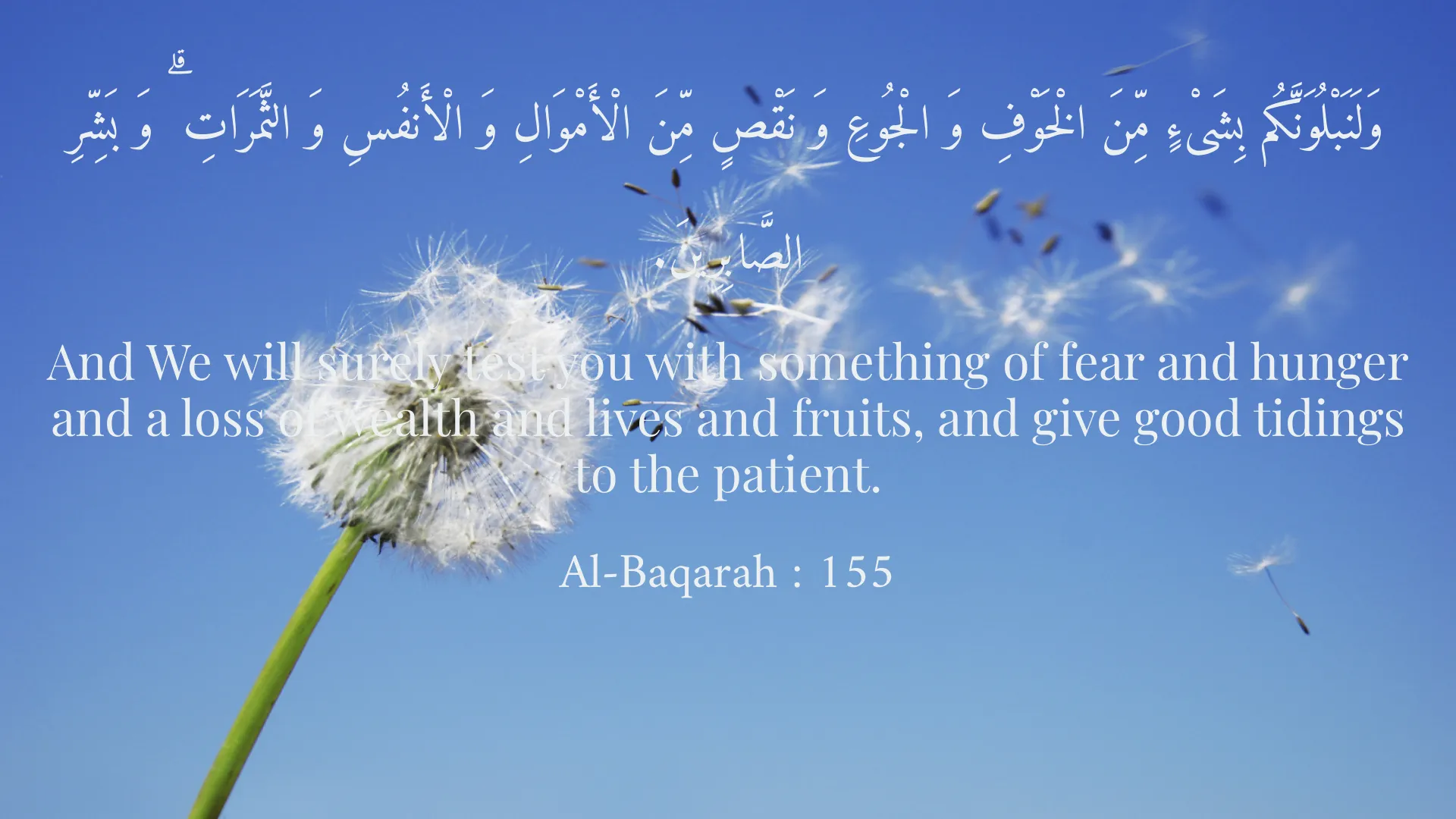
In the Holy Quran, Allah's proclamations regarding His wisdom and grand purpose in creating the universe are of utmost significance. Among these proclamations is the understanding that hardships and trials are integral components of human existence. Trials not only test individuals but also serve as transformative experiences leading to spiritual growth and a deeper bond with the Creator. A poignant reflection on this theme is found in verse 155 of Surah Al-Baqarah, where Allah declares: "And We will surely test you with something of fear and hunger and a loss of wealth and lives and fruits, and give good tidings to the patient." This verse encapsulates the reality that fear, hunger, loss, and various forms of adversity are part of human life. It is through experiencing these challenges that individuals often cultivate resilience, faith, and a profound connection with God. The testing of human beings through hardships can be viewed from multiple angles. From one perspective, these trials are an opportunity for introspection and self-discovery. When faced with difficulties, individuals might find themselves questioning their values, beliefs, and priorities. This quest for understanding can lead to spiritual awakening and the realization of one’s dependence on God. Each obstacle faced presents not just a challenge but also a chance to reflect on what truly matters—sometimes steering individuals back to the core teachings of their faith. Moreover, the act of enduring hardship is not merely a test of faith; it is also a pathway to understanding divine mercy and blessings. In contemplating the struggles one faces, a person may come to recognize the easier periods of life they had previously taken for granted. As hardships put life’s trials into perspective, they may enhance appreciation for the joys, comforts, and stability previously enjoyed. This understanding not only broadens one's appreciation for God’s blessings but also fosters gratitude—a fundamental aspect of faith. This idea goes beyond mere theory. Practically, many people have reported that their most challenging experiences led to their strongest periods of growth, learning, and spiritual awakening. For instance, someone who has lost a job might initially feel despondent and fearful. However, this external misfortune could catalyze opportunities for self-reinvention, inspiring a vocation they might not have previously considered. In the same vein, the loss of a loved one compels individuals to reflect on their relationships, values, and the ephemeral nature of life itself. In addition to personal growth, trials are also a means of bringing individuals closer to one another. Communities often come together during trying times, providing support and solidarity. This communal resilience is a testament to the human spirit's strength. Families strengthen their bonds in the face of adversity, and friendships are solidified during hard times. Such interactions highlight the compassionate nature of humanity and mirror the divine mercy reflected in God’s infinite wisdom. Furthermore, in verse 286 of Surah Al-Baqarah, Allah reassures mankind with these words: "Allah does not burden a soul beyond that it can bear." This statement is pivotal in nurturing hope. It serves as a reminder that each trial is specifically calibrated to the individual's capacities. This divine promise instills the belief that no matter how overwhelming a situation may seem, it is surmountable. The notion that God understands one’s limitations can serve as a source of comfort during peaks of despair, inspiring individuals to persevere with the knowledge that they possess the strength to overcome. Understanding that our tests are intimately tailored to our fortitude transforms our approach to life's challenges. Hardships thus become less about what we endure and more about how we respond to them. The cultivation of patience during times of trial is described beautifully in the Quran and encourages individuals to remain steadfast, knowing that the fruits of their patience will be richly rewarded. The profound truth is that through patience, one gathers not just resilience but also deepens their faith. Moreover, Prophet Muhammad (peace be upon him) elaborated on this theme, transitioning the act of suffering into a profound aspect of human existence. He emphasized that trials refine a person's character, tempering them much like steel is tempered in fire. Each hardship not only improves intrinsic traits such as perseverance and patience but also encourages empathy—individuals who have faced struggles often display greater compassion toward others who are suffering. While facing adversity, it is crucial to remember this divine wisdom and purpose. Every difficulty is a chance to release superficial attachments and to refocus on our relationship with God and what matters in our lives. Trials push individuals to develop character attributes that are essential for spiritual growth. For instance, courage, faith, perseverance, and compassion all emerge through navigating difficulties. In conclusion, the Holy Quran articulates a framework in which hardships and trials are not merely obstacles but crucial components of our spiritual journey. They provide pathways for greater understanding, deeper faith, and the realization of God's blessings. The dual promises of testing and support present in the Quran reassure believers that hardships are not without purpose. Instead, they invite us to transform our suffering into strength—to recognize that through trials, we are beckoned to draw nearer to God, experience personal growth, and foster compassion for our fellow beings. As individuals navigate their unique journeys through life, it’s essential to embrace hardships with patience, armed with the assurance that every trial is a stepping stone toward spiritual fulfillment and divine wisdom.
Related Verses
وَلَنَبْلُوَنَّكُم بِشَىْءٍ مِّنَ الْخَوْفِ وَ الْجُوعِ وَ نَقْصٍ مِّنَ الْأَمْوَالِ وَ الْأَنفُسِ وَ الثَّمَرَاتِ ۗ وَ بَشِّرِ الصَّابِرِينَ.
And We will surely test you with something of fear and hunger and a loss of wealth and lives and fruits, and give good tidings to the patient.
Al-Baqarah : 155
اللَّهُ لَا يُكَلِّفُ نَفْسًا إِلَّا وُسْعَهَا.
Allah does not burden a soul beyond that it can bear.
Al-Baqarah : 286
Short Story
One day, a man was sitting in the park, reflecting on his life. He had experienced many difficulties and felt that the world was weighing heavily on his shoulders. Suddenly, he remembered the verses of the Quran about being grateful for the blessings even in hardships and seeking help from God. This reminder gave him renewed energy, and he decided to move forward with patience and faith. He began to see his troubles as opportunities for growth and learning.