Quranic Answer
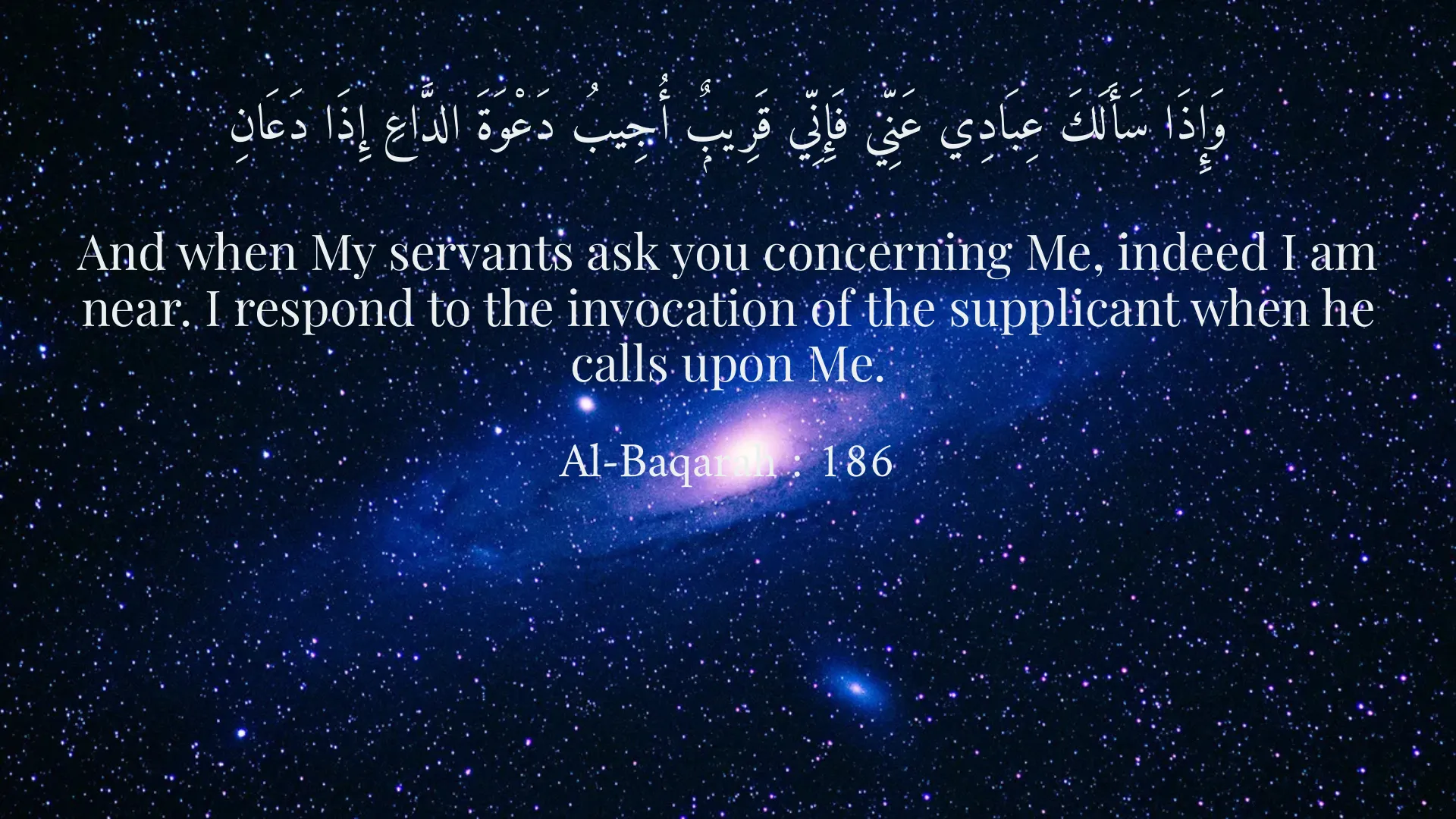
The nature of prayer and its acceptance or rejection is a profound subject within the Islamic faith, evoking contemplation about divine will, human desires, and the overarching wisdom of God. In the Holy Quran, Allah provides insight into various reasons for the rejection of prayers, anchored in His omniscient nature and understanding of what is ultimately beneficial for His servants. This article will explore these themes as articulated in the Quran, specifically through verses from Surah Al-Baqarah and Surah Al-Imran, and delve into the complexities surrounding divine responses to prayers. At the heart of the discussion is a fundamental verse from Surah Al-Baqarah, verse 186, where Allah states, "And when My servants ask you concerning Me, indeed I am near. I respond to the invocation of the supplicant when he calls upon Me." This declaration serves as an assurance of God's closeness and attentiveness to the prayers offered by His believers. It underscores a remarkable relationship between God and His servants, illustrating that divine presence is not distant but rather intimately involved in the lives and aspirations of His creations. Therefore, prayer is not merely a ritualistic obligation but a meaningful communication between an individual and their Creator. Despite this divine promise of responsiveness, it is essential to understand that the nature of God's response may not always align with human expectations. The wisdom of God is limitless, and His understanding of our circumstances is far more comprehensive than our own. When a prayer is offered with fervor and sincerity, the expectation is often that it will be answered positively; however, the response may come in a form that is unexpected or seemingly negative. This leads to the notion that prayer may be rejected not out of disdain for the request but because God knows what is truly beneficial for His servant. For example, an individual may pray ardently for wealth and material success, yet God, in His infinite wisdom, may choose to withhold those very requests in favor of granting that person peace, humility, and resilience against trials that wealth could introduce. Furthermore, in Surah Al-Imran, verse 186, Allah cautions believers regarding the timing of their prayers, stating that the response may be delayed due to the prayers of others or specific situational dynamics. This emphasizes the interplay of collective needs and divine manifestations, suggesting that God’s timing is intrinsic to the realization of His plans and the interconnectedness of His creation. Often, what we perceive as a delayed response might be part of a larger narrative in which our prayers are one piece of a divine puzzle. God’s delay does not indicate neglect; rather, it reflects a deeper orchestration of events that are ultimately for the greater good. The question thus arises: Why might a prayer not be accepted when it seems like a benign request? The reasons may include factors that the supplicant is unaware of, such as circumstances that could lead to undesirable consequences if the prayer were to be answered in the requested manner. For instance, someone might pray for a specific job position, blinded by the allure of the opportunity and the prestige it may bring. However, God sees the potential challenges associated with that position, perhaps related to unethical practices or a toxic work environment, and so He may redirect them towards an alternate path that leads to greater long-term fulfillment. Moreover, there is a notion within Islamic thought that personal growth often stems from the challenges and tribulations one faces. In some instances, and as a reflection of divine wisdom, God does not fulfill certain prayers because they might hinder spiritual growth or endurance, which is vital for a believer’s journey. This notion aligns with the understanding that life is filled with tests that serve to strengthen one’s character, faith, and reliance on God. Therefore, what appears as unanswered prayer could actually be God’s way of cultivating resilience and patience within His servant. Another essential component of prayer and its acceptance lies in the concept of sincerity and the state of one's heart during the act of supplication. The intention behind a prayer plays a crucial role in its acceptance. A prayer sincerely offered with pure intent and earnestness is more likely to resonate with God's infinite mercy. This highlights the importance of self-examination and spiritual awareness in the process of prayer. It teaches believers that their connection with God must be nurtured, not merely in moments of need, but as an ongoing dialogue rooted in gratitude, submission, and faithfulness. As we reflect on the acceptance of prayers in light of divine wisdom, it is also pertinent to acknowledge that God’s responses can come in various forms. These can manifest as an immediate answer, a delayed response, a different answer, or even, at times, a refusal. Each of these responses is a testament to God's involvement in our lives and reflects His understanding of our needs. It invites believers to cultivate a sense of trust in the divine plan, even when the immediate outcome is not in alignment with their desires. Trusting God means accepting that He is the best of planners and has knowledge of what one requires, even when that might not be apparent. In summary, the relationship between prayer and divine response in Islam is shaped by profound philosophical and theological considerations. Instead of viewing the rejection of prayers as a distance from God, believers are encouraged to understand it as an extension of divine wisdom. As illustrated through the verses of the Quran, God’s closeness to His servants provides a foundation of assurance, while simultaneously reminding them of His greater knowledge and the significance of timing and circumstances in the acceptance of prayers. Ultimately, this intricately woven tapestry of divine wisdom encourages individuals to cultivate hope, patience, and unwavering faith, acknowledging that what may seem undesirable in the short term could ultimately serve their best interests in the grander scheme of life.
Related Verses
وَإِذَا سَأَلَكَ عِبَادِي عَنِّي فَإِنِّي قَرِيبٌۭ أُجِيبُ دَعْوَةَ الدَّاعِ إِذَا دَعَانِ
And when My servants ask you concerning Me, indeed I am near. I respond to the invocation of the supplicant when he calls upon Me.
Al-Baqarah : 186
تُبتلى من تأففك ومن أمرك، وإنما كل ما تقرَّبت منه يكون أقرب.
Al-Imran : 186
Short Story
One day, a man prayed to God to fulfill all his wishes. However, God tested him to see if he would remain patient in the face of adversities. As time passed, the man realized that some of his desires were not in his best interest and that his true welfare lay in other things. He learned to trust in God’s wisdom.