Quranic Answer
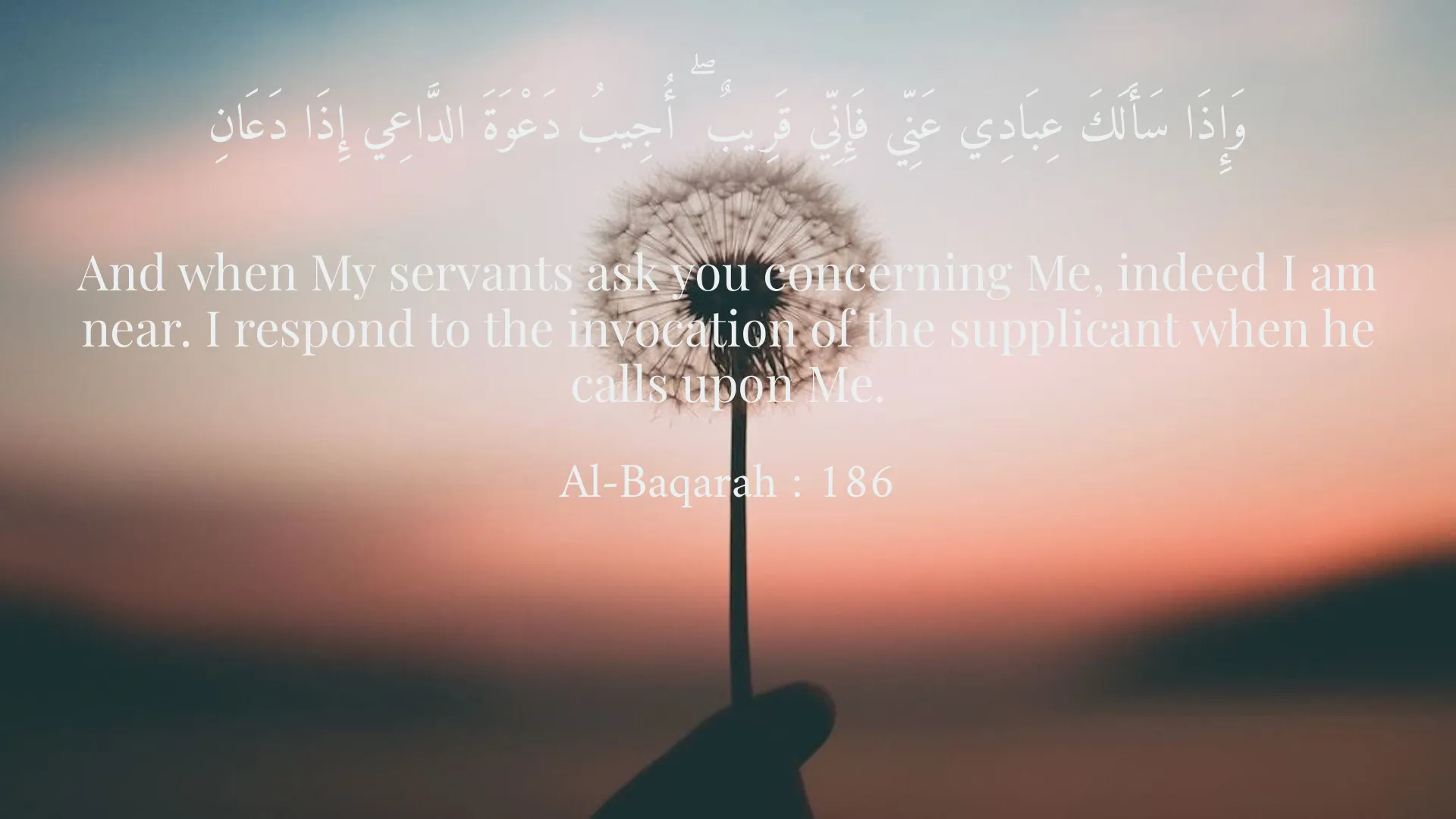
The relationship between God and His servants is one that fundamentally revolves around communication, particularly through prayer. Prayer, in various forms, serves as a channel through which humanity can connect with the Divine, express needs, desires, hopes, and thankfulness. According to many religious texts, prayer is not simply a ritualistic act, but rather a deep, heartfelt conversation with God that can lead to divine intervention in one’s life. Within this framework, it is crucial to understand that while God Almighty responds to the prayers of His servants, there are myriad reasons why an affirmative response may not always be evident. First and foremost, it is important to recognize the concept of divine wisdom. From a theological perspective, God stands beyond the limitations of time and space, possessing omniscience that surpasses human understanding. This omniscient nature means that God knows what is best for us in ways that we may not comprehend at the moment. For instance, we often pray for things that we believe will bring us happiness—whether that be a job, a relationship, wealth, or health. However, what if the thing we pray for is not in alignment with our best interest? In the Holy Quran, a pivotal verse encapsulates this concept: 'And when My servants ask you concerning Me, indeed I am near. I respond to the invocation of the supplicant when he calls upon Me' (Surah Al-Baqarah, verse 186). Here, God reassures us of His proximity and His attentiveness to our prayers. However, the key takeaway from this verse is that God may respond at a time that He deems suitable and in a manner that is most beneficial based on His wisdom concerning our lives and futures. Hence, it is vital for believers to cultivate patience and trust in divine timing. Moreover, the nature of God's responses can manifest in several forms. One of the most profound aspects of prayer is that it is not always answered in the exact way we envision. Often, prayers may be answered through the fulfillment of other needs or through a protection from greater issues that may lie ahead. This protective response can be especially poignant; for instance, someone may fervently pray for a particular job, believing it would offer the best pathway to success. However, God's response could involve redirecting that individual's path towards a career that ultimately brings about greater satisfaction and joy, albeit after some initial setbacks and rejections. This is supported by a second verse in the Quran, which states: 'And your Lord says, 'Call upon Me; I will respond to you.' Indeed, those who disdain My worship will enter Hell, condemned' (Surah Ghafir, verse 60). This verse emphasizes the importance of worship, highlighting that prayer is not only a solicitation for our desires but also a form of devotion and recognition of God’s greatness. It showcases the dual nature of prayer: asking and acknowledging, beseeching and venerating. However, there are several nuances to consider when discussing the efficacy of prayer. One crucial factor in the dynamics of prayer responses is the sincerity behind the supplication. God has established a framework within which He responds to the earnest hearts of those who call upon Him. When prayers are rooted in genuine faith and sincerity, they are more likely to elicit responses from the Divine. This invites believers to introspect regarding their intentions and the purity of their hearts while making supplications. With this in mind, it must also be acknowledged that the idea of unanswered prayers can lead to feelings of abandonment, confusion, or even doubt in the minds of individuals. During times of hardship or desperation, it can be devastating to feel that one’s prayers are falling on deaf ears. However, believers are often reminded to view these moments as opportunities for growth and deepening spiritual maturity. Such experiences can foster resilience, patience, and stronger faith in God’s ultimate plan. This growth may not always be visible in the immediate term, but like a seed that takes time to break through the soil, spiritual growth may flourish beyond what is initially perceived. Additionally, some individuals grapple with the understanding of why God might allow suffering or hardship in response to their prayers. This is a contemplation that touches on profound philosophical and theological discussions. Many religious frameworks suggest that trials serve a divine purpose and could be designed to both strengthen one’s faith and character. The journey through pain and struggle can lead to a deeper reliance on God, fostering qualities such as humility, empathy, and compassion. In conclusion, while God Almighty indeed hears and responds to the prayers of His servants, the nature and timing of those responses can vary significantly based on divine wisdom and the greater tapestry of life that He has woven. Prayer serves as an essential spiritual practice that not only allows individuals to make their hearts known to God but also to engage in a transformative dialogue that can lead to profound spiritual growth. It calls on believers to cultivate patience, trust, and sincerity in their supplications, recognizing that the answers they seek may manifest in ways that transcend their immediate aspirations. Ultimately, the relationship formed through prayer is a testament to faith, surrender, and hope in the infinite wisdom of the Divine.
Related Verses
وَإِذَا سَأَلَكَ عِبَادِي عَنِّي فَإِنِّي قَرِيبٌ ۖ أُجِيبُ دَعْوَةَ الدَّاعِي إِذَا دَعَانِ
And when My servants ask you concerning Me, indeed I am near. I respond to the invocation of the supplicant when he calls upon Me.
Al-Baqarah : 186
وَقَالَ رَبُّكُمُ ادْعُونِي أَسْتَجِبْ لَكُمْ ۚ إِنَّ الَّذِينَ يَسْتَكْبِرُونَ عَنْ عِبَادَتِي سَيَدْخُلُونَ جَهَنَّمَ دَاخِرِينَ
And your Lord says, 'Call upon Me; I will respond to you.' Indeed, those who disdain My worship will enter Hell, condemned.
Ghafir : 60
Short Story
One day, a faithful man was praying and had a request from God. After a few days, he realized that his prayers were not being answered. He went to a religious scholar and asked, 'Why isn’t my prayer being answered?' The scholar replied, 'God knows when and how it's best to respond to you; perhaps what you desire is not good for you.' The man found peace with this wisdom and continued his prayers, deepening his faith in God’s wisdom.