Quranic Answer
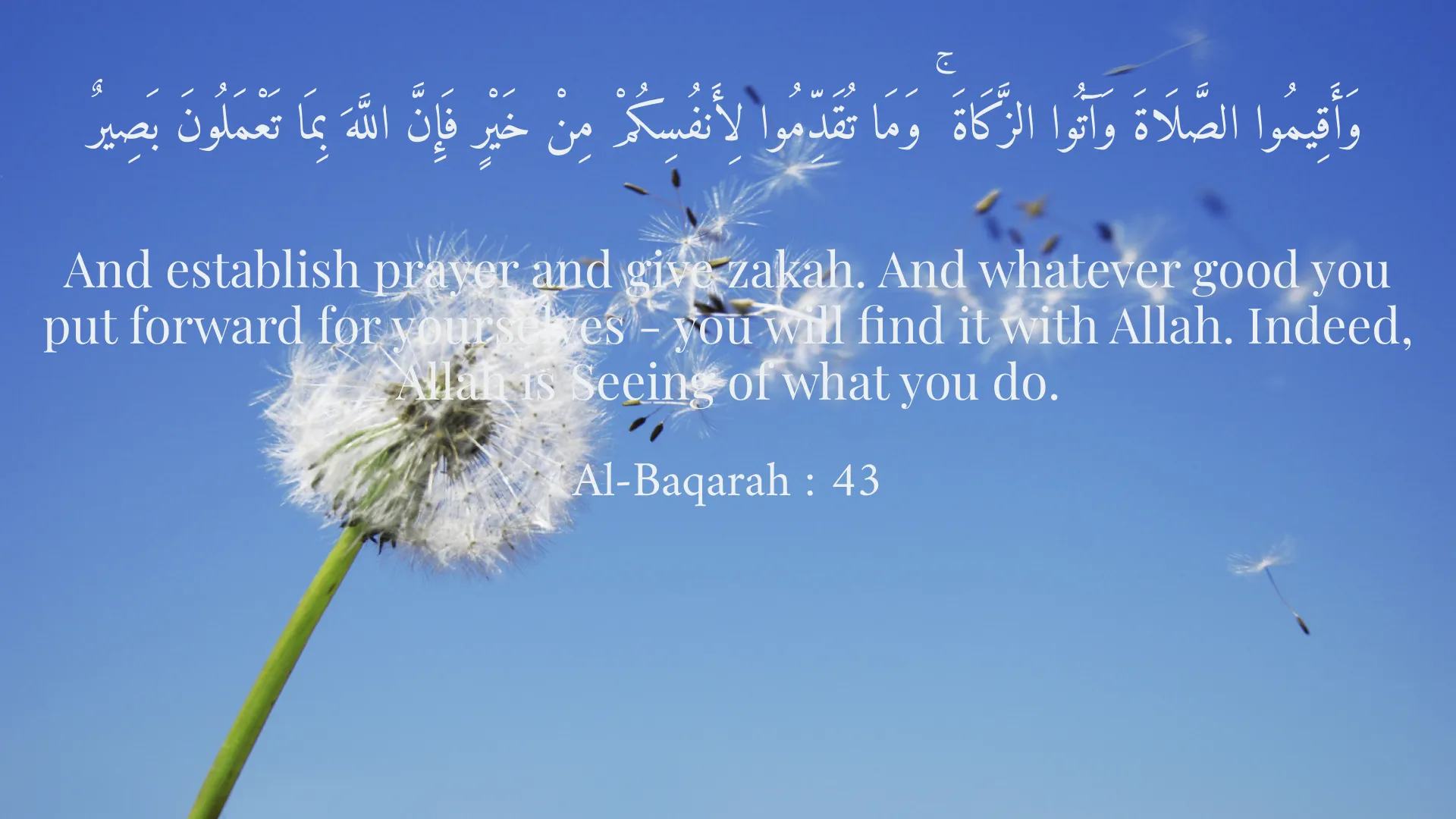
Prayer, or Salah, as one of the essential acts in Islam, possesses unique characteristics that distinguish it from other devotional acts. The practice of prayer is not merely a ritualistic observance; rather, it embodies a deep, spiritual connection between the believer and their Creator. This divine communication is both a personal and communal act that enriches individual lives and strengthens society as a whole. The Holy Quran emphasizes the necessity of prayer along with its positive effects on human life. Among the many verses that articulate this concept, Surah Al-Baqarah, verse 43 stands out prominently. Allah commands, 'And establish prayer and give zakah.' This divine directive encompasses more than just the act of praying; it is a foundational principle of Islamic practice, encapsulating the twin pillars of worship and social responsibility. Through the establishment of prayer, believers are reminded that their spiritual obligations extend beyond their personal relationship with God and into the realm of community welfare. In essence, prayer serves as not only supplication but also as a means of purification for the mind and soul, allowing individuals to distance themselves from worldly concerns. The significance of prayer lies in its profound capacity to focus our attention on God. In a world filled with distractions and noise, prayer provides a serene space to contemplate the divine and recognize His greatness. It acts as a refuge that allows individuals to experience a sense of peacefulness amid the chaos of daily life. In this sacred time of reflection and worship, believers can step back from their daily trials and tribulations, submitting their hearts to God’s will and seeking solace in His presence. Furthermore, the act of prayer facilitates contemplation on God’s superiority and perfection. When individuals engage in prayer, they are reminded of their own imperfections and the vastness of God’s mercy and grace. This acts as a powerful motivation for personal improvement and moral development. It inspires believers to strive for a better version of themselves, aligning their actions more closely with the principles of justice, compassion, and humility espoused in Islamic teachings. The Quran also provides insight into the transformative power of prayer in the life of a believer. Surah Al-Ankabut, verse 45 states, 'Indeed, prayer prohibits immorality and wrongdoing.' This verse clearly illustrates that the act of praying regularly serves as a deterrent against sinful behavior. By committing to regular prayer, believers cultivate a sense of discipline and self-control that reinforces positive behavior and moral decision-making. In this sense, prayer acts as a protective barrier against moral deviations, empowering individuals to resist temptation and commit to ethical living. Consequently, the role of prayer in individual lives extends to the broader society. By valuing prayer, we not only contribute to our spiritual and ethical growth, but we also promote the well-being and moral fiber of the community. The collective act of prayer within a community fosters a shared sense of purpose and unity. It strengthens social bonds and encourages individuals to support and uplift one another. In congregational prayers, such as the Friday prayers, believers come together to worship, connect, and reinforce their commitment to communal values, grounded in faith and morality. Moreover, prayer serves practical functions in alleviating stress and anxiety. In a fast-paced world where mental health challenges are increasingly prevalent, prayer can be viewed as a therapeutic practice providing emotional relief and spiritual grounding. Psychologists and mental health practitioners have noted that engaging in spiritual practices such as prayer can promote mindfulness, foster feelings of peace, and enhance overall mental well-being. The rhythm of daily prayers—performed at specific times throughout the day—serves as a reminder to take a moment to pause, breathe, and reconnect with one’s spiritual core. The psychological benefits of prayer further emphasize its importance as a source of comfort and guidance in troubled times. When faced with challenges and adversities, believers often turn to prayer as a means of seeking strength and resilience. This reliance on faith can help individuals navigate the complexities of life with a greater sense of purpose and clarity. In essence, prayer becomes an anchor, grounding the believer in their faith and reminding them of the divine support available to them during difficult times. In conclusion, the act of prayer in Islam transcends mere ritual; it serves as a profound expression of faith that shapes individual character and strengthens societal bonds. Through the establishment of prayer, believers enter into a sacred dialogue with God, fostering spiritual growth while promoting ethical behavior and communal well-being. As highlighted in the Holy Quran, prayer is a fundamental practice that brings about individual peace, societal harmony, and moral integrity. By valuing and prioritizing prayer in our lives, we not only improve ourselves but also contribute positively to the communities around us, echoing the Quranic call to establish prayer and promote goodness in the world.
Related Verses
وَأَقِيمُوا الصَّلَاةَ وَآتُوا الزَّكَاةَ ۚ وَمَا تُقَدِّمُوا لِأَنفُسِكُمْ مِنْ خَيْرٍ فَإِنَّ اللَّهَ بِمَا تَعْمَلُونَ بَصِيرٌ
And establish prayer and give zakah. And whatever good you put forward for yourselves - you will find it with Allah. Indeed, Allah is Seeing of what you do.
Al-Baqarah : 43
إِنَّ الصَّلَاةَ تَنْهَى عَنِ الْفَحْشَاءِ وَالْمُنْكَرِ ۗ وَلَذِكْرُ اللَّهِ أَكْبَرُ ۗ وَاللَّهُ يَعْلَمُ مَا تَصْنَعُونَ
Indeed, prayer prohibits immorality and wrongdoing, and the remembrance of Allah is greater. And Allah knows that which you do.
Al-Ankabut : 45
Short Story
One day, a man named Ali was striving to change his life. He realized that prayer was the key to peace. Every morning, he prayed in the heart of nature, feeling his mind and soul cleansed through supplication and prayer. Over time, he noticed that his good deeds and interactions with others had also transformed, all thanks to focusing on God and prayer.