Quranic Answer
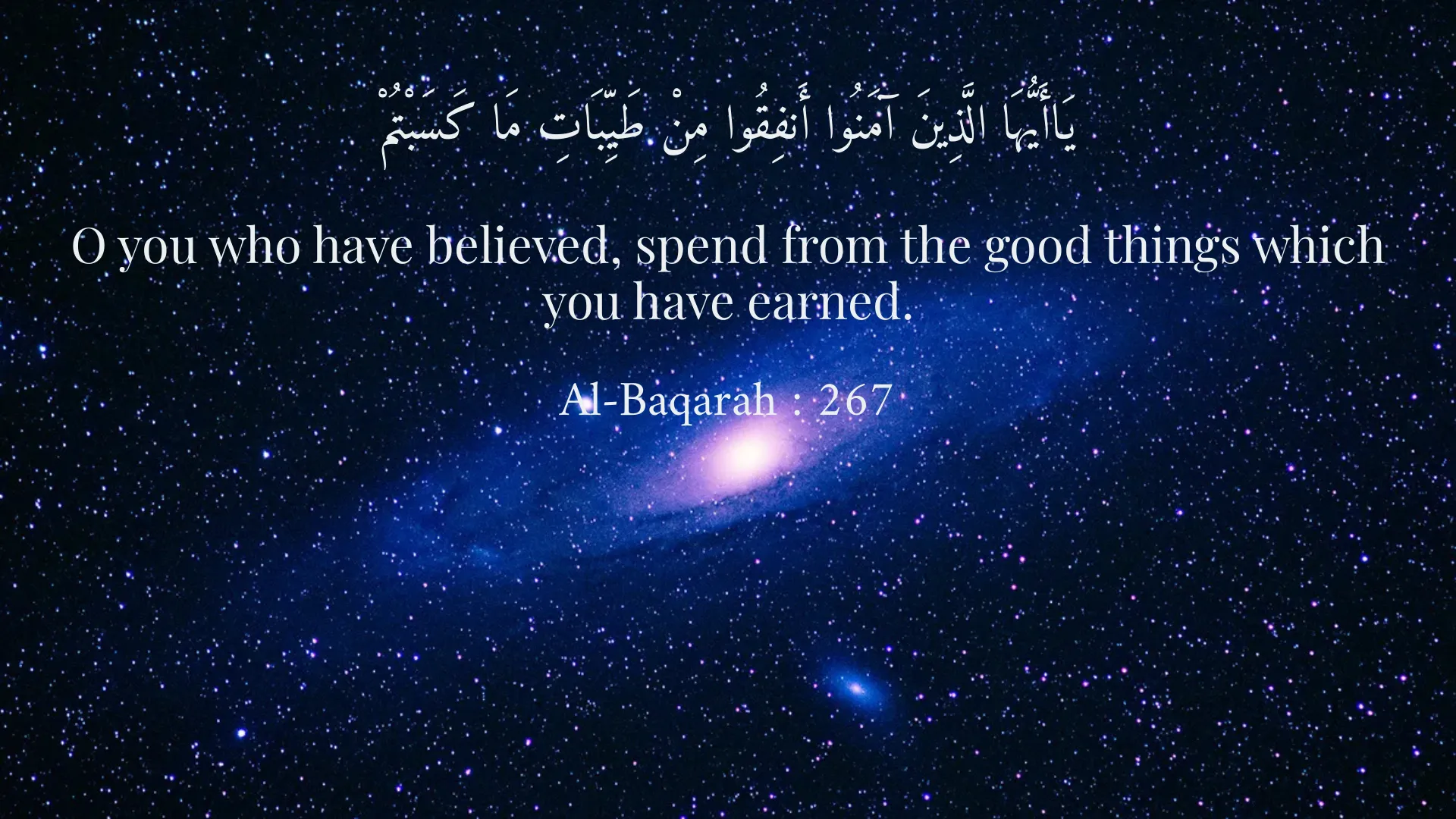
The Importance of Charity in Islam: A Versatile Approach Toward Compassion and Community Support Charity is a cornerstone of Islamic teaching, underscoring the significance of giving back to society and supporting those in need. The Quran, considered the literal word of God in Islam, emphasizes this principle repeatedly, advocating charity not merely as an act of kindness but as a fundamental obligation for believers. This principle of zakat—not only as an act of charity but also a symbolic piece of faith—holds one of the highest statuses in the teachings of Islam. In a world often overshadowed by materialism and individualism, the divine instructions found in the Quran offer a refreshing perspective on communal support, fostering an environment of cooperation, kindness, and brotherhood. The concept of charity, as promoted in the Quran, extends beyond the mere act of giving money or resources. It embodies an ethos of altruism where believers are encouraged to develop a generous disposition and a sense of responsibility toward their fellow human beings. What sets this charitable approach apart is its grounding in spirituality—the act of giving is intrinsically linked to the believer's relationship with God. By fulfilling the duty of charity, one not only aids those in need but also purifies one’s wealth and soul, reinforcing the connection between financial resources and divine approval. One of the most explicit mentions of this concept is found in Surah Al-Baqarah, verse 267, wherein Allah commands the believers, 'O you who have believed, spend from the good things which you have earned.' This verse promotes the principle of giving not just what is leftover or easily spare but encourages believers to share from their best, emphasizing that the act of charity should stem from goodness. This directive is not merely a guideline; it is an embodiment of respect for others, as the choice of what to give speaks volumes about one’s attitude towards societal welfare and compassion. Moreover, the Quran also highlights the intrinsic rewards associated with charity, suggesting that the act of giving leads to both spiritual and material enrichment. Surah Al-Mu’minun, verse 60, states, 'And those who are steadfast in their charity will be rewarded.' This verse underlines the concept that charity is not intended to be a sporadic act confined to particular circumstances; rather, it stresses the importance of consistency in charitable giving. By establishing a routine of generosity, believers cultivate a habit of empathy and understanding, truly embodying the spirit of care and support for others. This steadfastness in charity, as preached in the Quran, solidifies the community's social fabric and contributes to long-lasting positive change. Another vital aspect of charity in Islam is its role in addressing social disparities. In many societies, there exists a stark divide between the affluent and the impoverished. Charity acts as a bridge between these two segments, facilitating a redistribution of wealth while also uplifting the vulnerable. By providing for those who are less fortunate, charity nurtures a sense of belonging and connection within the community. The Quran encourages this communal responsibility, guiding believers to look beyond individualistic pursuits and to reflect on the collective well-being—a core value deeply embedded in Muslim ideology. Through this lens, charity transforms from a mere financial transaction into a profound, reciprocal relationship that cultivates unity and empathy within society. Islamic charitable practices also emphasize transparency and accountability, which are paramount to ensuring that resources make a genuine impact on the intended recipients. Practicing zakat and other forms of giving reflects a commitment to responsible stewardship of wealth, reinforcing the notion that resources are not solely for personal gain but are to be shared for communal betterment. Individuals are thus urged to scrutinize the causes and organizations they support, ensuring that their contributions generate meaningful, positive effects on those who need it most. This scrutiny also serves as a reminder of the ethical responsibilities that accompany the act of charity, challenging donors to engage deeply and sustainably rather than superficially. Moreover, the Quran depicts charity as one of the most honorable and revered acts before God, illustrating that through acts of selflessness, believers draw closer to their Creator. In various Hadiths, the words of the Prophet Muhammad (peace be upon him) can be found underscoring the importance of giving and the rewards that come from it. These teachings enrich the understanding of charity, providing practical approaches to embodying it in daily life. Giving charity is not confined to monetary donations; it includes time, service, compassion, and personal effort, thus acting as a call to action for all believers to find creative ways to make a difference. In conclusion, the multifaceted emphasis on charity within the Holy Quran serves as a guiding principle for Muslims worldwide. The act of giving encompasses far more than just financial assistance; it calls for a compassionate and inclusive approach to nurturing one another's welfare. Zakat and its related practices not only alleviate poverty and help meet the needs of others but also cultivate spiritual peace and community cohesion among believers. The consistent encouragement towards charity within the Quran reminds us of our shared humanity and collective responsibility, fostering relationships built on empathy, support, and love. As individuals strive to realize these teachings in their lives, the hope remains that, through collective efforts towards compassion and support, we can create a more equitable and harmonious society, echoing the divine call toward kindness and communal flourishing.
Related Verses
يَاأَيُّهَا الَّذِينَ آمَنُوا أَنفِقُوا مِنْ طَيِّبَاتِ مَا كَسَبْتُمْ
O you who have believed, spend from the good things which you have earned.
Al-Baqarah : 267
وَالَّذِينَ هُمْ فِي صَدَقَاتِهِمْ سَائِرُونَ
And those who are consistent in their charity.
Al-Mu’minun : 60
Short Story
One day, a man named Ahmad was in the market and was greatly moved by the sight of the needy. He decided to help them and set aside some of his earnings for charity. By doing so, he brought hope to others and found satisfaction in his heart. After some time, he noticed that his spirit had changed, and enjoying life became easier for him.