Quranic Answer
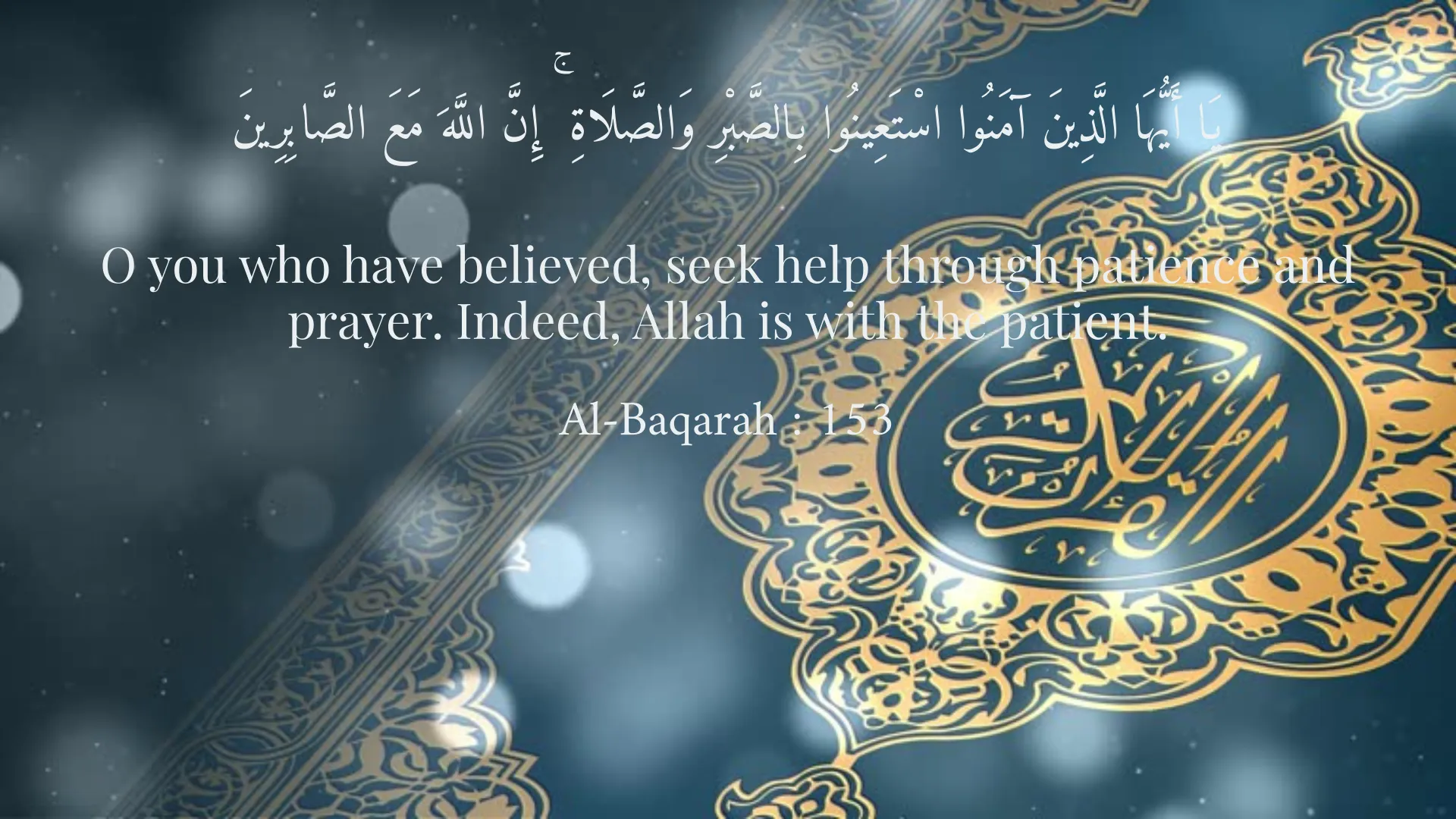
Patience is one of the most esteemed virtues deeply embedded in the fabric of human character. Throughout history, individuals have grappled with various challenges, be it personal, social, or existential. In every such instance, the trait of patience has emerged as a beacon of hope, guiding humanity through turbulent times. The Holy Quran, which serves as a spiritual guide for millions worldwide, emphasizes the significance of patience on multiple occasions. One of the most profound references can be found in Surah Al-Baqarah, verse 153, where Allah commands the believers: 'O you who have believed, seek help through patience and prayer. Indeed, Allah is with the patient.' This simple yet powerful verse encapsulates the essence of endurance and reflects the spiritual support that faith can provide during times of adversity. This divine affirmation carries immense weight; it suggests that the Almighty is ever-present with those who cultivate patience, offering not only solace but also strength in the face of life's challenges. The Quran repeatedly underscores the importance of patience, highlighting that it is not merely a passive acceptance of circumstances but a proactive stance that encourages individuals to engage earnestly with their struggles while seeking assistance through prayer. In this light, patience becomes both a shield and a sword, equipping believers to combat the multifaceted adversities of life with resilience and fortitude. Furthermore, patience is not solely applicable to moments of crisis; it also plays a crucial role in our daily interactions and responsibilities. It serves as a moral compass, steering individuals towards greater piety and spiritual enlightenment. In a world that often fosters impatience—whether through instant gratification or the rapid pace of modern life—this divine quality challenges us to embrace a contemplative and measured approach to our decisions and reactions. It asks us to embrace our challenges, viewing them not as mere inconveniences, but as fruitful opportunities for growth and character development. Patience is intrinsically linked to the nurturing of the human spirit. When individuals endure hardships, whether they be personal losses, family disputes, financial difficulties, or societal pressures, they often emerge stronger and more resilient. The struggle against adversity fosters determination and fortitude, catalyzing personal growth. In Surah Az-Zumar, verse 10, the Quran beautifully articulates the rewards that await those who embody patience: 'Indeed, the patient will be given their reward without account.' This verse reassures believers that their perseverance will not go unnoticed; instead, they will receive infinite rewards, a promise that transforms patience into a source of motivation and hope. In an era characterized by relentless challenges, the value of patience is more crucial than ever. The contemporary landscape is fraught with uncertainties and pressures—economic instability, social unrest, and personal dilemmas. In the face of such overwhelming circumstances, patience can serve as a stabilizing force, providing individuals with the clarity to navigate through adversity without succumbing to despair. It encourages a mindset of acceptance that recognizes the impermanence of situations and the importance of maintaining composure amidst chaos. Moreover, the cultivation of patience profoundly enhances our relationship with the Divine. By developing this attribute, we begin to comprehend the larger scheme of existence, recognizing that trials are not punishments but rather opportunities for spiritual refinement. Our patience in times of strife reflects a deep-seated trust in Allah's plans, acknowledging that He possesses ultimate wisdom and authority over all matters. When faced with challenges, believers are reminded to turn to prayer, further solidifying the bond between the individual and God. This reliance on divine support fosters a sense of security, illuminating the path ahead and granting strength in moments of weakness. Furthermore, the practice of patience helps believers to develop empathy and understanding towards others. When individuals recognize their own struggles and the patience required to endure them, they are more inclined to exhibit compassion towards those around them. This, in turn, cultivates a community where mutual support thrives, and collective resilience becomes a shared objective. The interconnectedness fostered by patience enriches human relations and contributes to a more profound sense of belonging. In conclusion, the importance of patience is abundantly emphasized in the Holy Quran, serving as a guiding light for believers navigating the complexities of life. The divine promises associated with patience not only heralds rewards in the afterlife but also reinforces its significance in nurturing character and spiritual growth within the mortal realm. Patience stands at the intersection of faith and resilience—a testament to the strength of the human spirit. As we continue to grapple with the inevitable challenges that life presents, let us wholeheartedly embrace the teachings of the Quran, seeking refuge in patience and prayer while trusting in the unwavering support of Allah. Thus, patience remains an indispensable key to success, guiding believers toward personal fulfillment, stronger relationships, and deep spiritual insight, ultimately illuminating our paths as we traverse the journey of life.
Related Verses
يَا أَيُّهَا الَّذِينَ آمَنُوا اسْتَعِينُوا بِالصَّبْرِ وَالصَّلَاةِ ۚ إِنَّ اللَّهَ مَعَ الصَّابِرِينَ
O you who have believed, seek help through patience and prayer. Indeed, Allah is with the patient.
Al-Baqarah : 153
إِنَّمَا يُوَفَّى الصَّابِرُونَ أَجْرَهُمْ بِغَيْرِ حِسَابٍ
Indeed, the patient will be given their reward without account.
Az-Zumar : 10
Short Story
One day, a man found himself in the midst of a great problem and was weary from the trials he faced. He remembered the Quran and kept reciting the verse 'Indeed, the patient will be given their reward without account.' With each repetition of this verse, he felt a deeper sense of peace and understood that patience not only rescued him from difficulties but also paved the way for his success. He realized that these challenges in his life were not just obstacles, but a bridge to greatness and closeness to God.