Quranic Answer
In the Holy Quran, themes of wealth and poverty are examined with profound wisdom, shedding light on the divine intention behind these disparities among humanity. The issue of wealth and poverty is not merely a socio-economic concern, but rather a significant spiritual test that God has placed upon individuals to evaluate their character and perseverance. Numerous verses throughout the Quran contemplate these themes, portraying a rich tapestry of understanding about the nature of material possessions and spiritual fulfillment. One of the most notable references occurs in Surah Al-Baqarah, verse 155, where God states: "And We will surely test you with something of fear and hunger and a loss of wealth and lives and fruits. But give good tidings to the patient." This verse encapsulates the essence of our earthly existence, presenting life as a series of tests that not only challenge but also purify our souls. For individuals who find themselves in financial affliction, this verse serves as a gentle reminder that such trials are part of the divine scheme—a period of reflection and growth. The disparity between wealth and poverty carries a profound message; it reflects God’s intricate plan for humanity. The wealthy individuals are encouraged to express gratitude for their bounties, fostering a spirit of appreciation and responsibility towards others. This acknowledgment of blessings deepens their spiritual journey and connects them with a greater purpose beyond themselves. The Quran emphasizes this notion repeatedly, illustrating that wealth is not solely a possession but a means to cultivate virtue and goodness in the world. Conversely, the experience of poverty holds its unique significance. For those who struggle with financial limitations, the Quran encourages patience and perseverance. The trials faced by the impoverished serve to fortify their resilience and encourage them to strive harder for improvement. This perspective shifts the narrative from viewing poverty as a mere social weakness to recognizing it as a stage for spiritual and personal growth. By approaching life’s circumstances with a firm heart and unwavering spirit, individuals may discover a wealth of character and resolve that surpasses material value. Moreover, in Surah Al-A'raf, verse 32, God conveys an essential acknowledgment of the relationship between humans and their sustenance: "Say, 'Who has forbidden the adornment of Allah which He has produced for His servants and the good, pure things?" This verse challenges common perceptions regarding wealth and poverty, suggesting that they are not intrinsically good or bad, but rather tools serving divine wisdom. Poverty may encourage a deeper spiritual reliance upon God, catalyzing introspection and appreciation for divine providence, while wealth provides opportunities to share goodness with others. The Quran extends beyond mere acknowledgement of wealth's transient nature; it stresses the importance of social responsibility and charitable actions. One of the key responsibilities highlighted within several verses is the duty to assist the poor and the needy. For instance, in Surah Al-Imran, verse 92, we find an imperative reminder: "Never will you attain the good reward until you spend from that which you love." This verse invites believers to reflect upon the intrinsic connection between giving and receiving blessings. True fulfillment arises not from hoarding wealth but from sharing it, leading to a more equitable society and reinforcing communal bonds. This principle of charity, known as Zakat, is a cornerstone of Islamic practice, embodying the spirit of compassion and solidarity within the community. By providing for those in need, the wealthy not only enhance their spiritual standing but also contribute to alleviating societal issues. The transformation that occurs through such acts exemplifies the Quran's call to engage with the world compassionately and selflessly. Moreover, the Quran draws attention to the cyclical relationship between giving and receiving. As individuals contribute to the welfare of others, they simultaneously cultivate a deeper understanding of their own blessings. This process of giving enriches the giver, creating a ripple effect of positivity that uplifts the entire community. By fostering an environment marked by reciprocal support and compassion, society can transcend the barriers of wealth and poverty, moving towards a collective harmony that reflects divine intentions. The discussion of wealth and poverty in the Quran extends well beyond material concerns; it is intimately linked to spiritual growth, social responsibility, and communal harmony. The divine perspective on wealth encourages believers to view their possessions as resources that can positively impact the lives of others, pushing them towards acts of charity and elevating their souls in the process. Ultimately, the holy teachings of the Quran urge humanity to embrace the full spectrum of life’s experiences, balancing the joys of wealth with the challenges of poverty. Every individual is called to navigate their unique trials with patience and gratitude while remaining attentive to the needs of others. By doing so, we not only honor our divine purpose but also contribute to a world that reflects the infinite wisdom of God. In conclusion, wealth and poverty, as addressed in the Holy Quran, present us with an opportunity to redefine our values and aspirations. By instilling within ourselves the virtues of gratitude, patience, and charitable living, we can foster a society that thrives on compassion, kindness, and mutual support. The Quran serves as a timeless guide, enlightening our understanding of the complexities of wealth and poverty while reminding us that our ultimate allegiance is to God and the principles of justice and generosity.
Related Verses
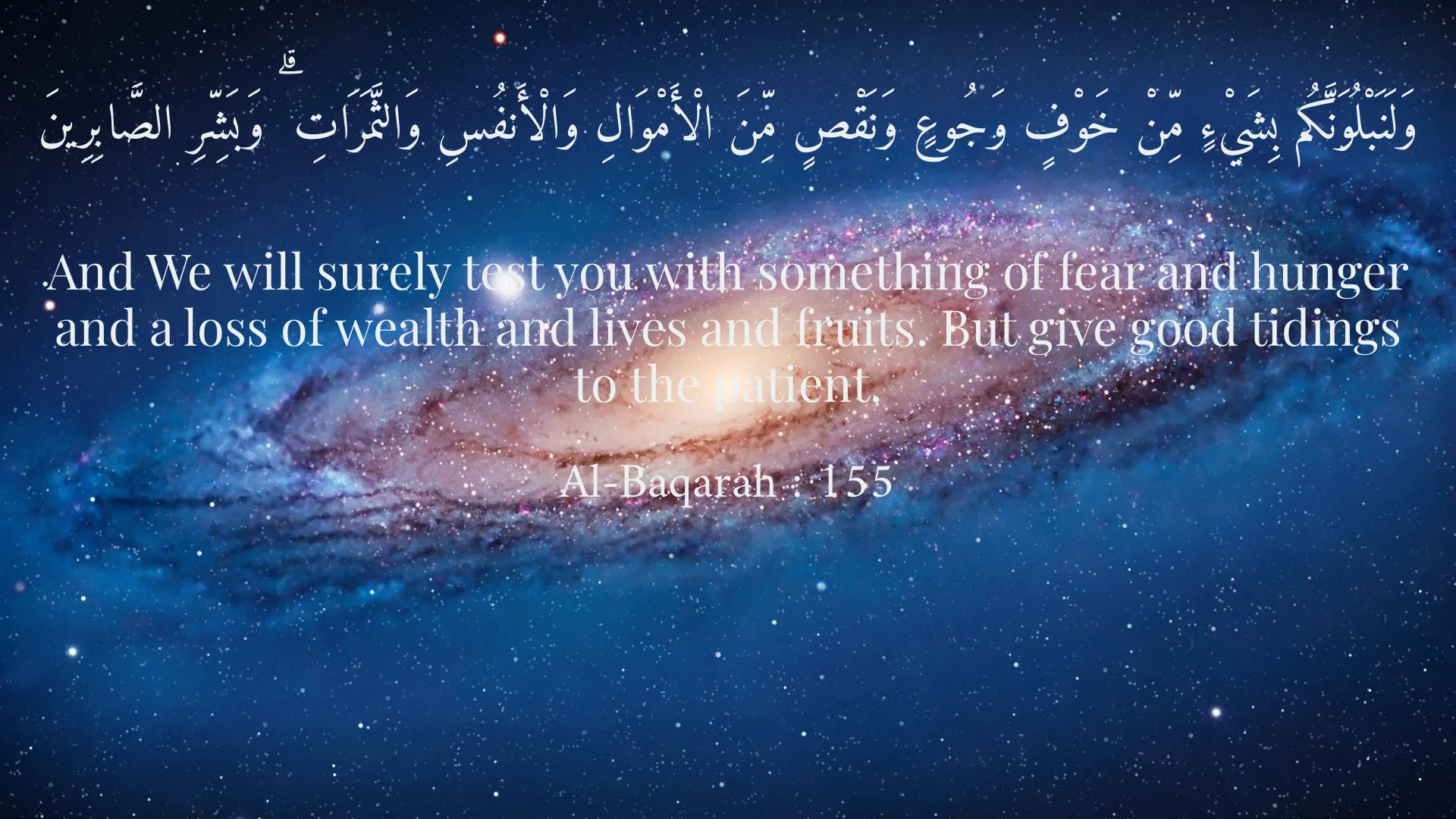
وَلَنَبْلُوَنَّكُم بِشَيْءٍ مِّنْ خَوْفٍ وَجُوعٍ وَنَقْصٍ مِّنَ الْأَمْوَالِ وَالْأَنفُسِ وَالثَّمَرَاتِ ۗ وَبَشِّرِ الصَّابِرِينَ
And We will surely test you with something of fear and hunger and a loss of wealth and lives and fruits. But give good tidings to the patient.
Al-Baqarah : 155
قُلْ مَنْ حَرَّمَ زِينَةَ اللَّهِ الَّتِي أَخْرَجَ لِعِبَادِهِ وَالطَّيِّبَاتِ مِنَ الرِّزْقِ
Say, 'Who has forbidden the adornment of Allah which He has produced for His servants and the good, pure things?'
Al-A'raf : 32
لَن تَنَالُوا الْبِرَّ حَتَّى تُنفِقُوا مِمَّا تُحِبُّونَ
Never will you attain the good reward until you spend from that which you love.
Al-Imran : 92
Short Story
One day, a wealthy man went to the market and encountered a poor young man sitting in a corner. The wealthy man approached the young man and said, "Why are you sitting here? Strive and seek work." The young man replied, "I am trying, but what God has ordained, I cannot change." The wealthy man was touched by the young man's response and remembered the Quranic verses that say, "God tests each individual in their own way." He decided to help the young man, leading to the beginning of their friendship.